


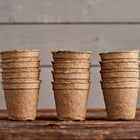


A medicinal herbal tea garden can be as simple as a few containers near the kitchen door or as established as a dedicated bed filled with fragrant leaves and flowers.
Many traditional tea herbs are easy to grow from seed, attractive to pollinators, and useful beyond the teacup. Some are annuals that can be harvested in their first season, while others are perennials that return for years once established.
The herbs below offer a practical starting point for growing plants traditionally used for relaxation, digestion, respiratory support, immune support, and general wellness.
This article is for gardening and educational purposes only and is not intended as medical advice.
German Chamomile
Matricaria chamomilla
German chamomile is an annual herb grown for its small, daisy-like flowers and mild, slightly apple-like flavor. Harvest the flower heads soon after they fully open and dry them out of direct sunlight.
Traditionally, chamomile has been used to promote relaxation, settle digestion, and support restful sleep. Modern research has focused particularly on its potential effects on anxiety and relaxation.
Holy Basil / Tulsi Kapoor
Ocimum tenuiflorum
Tulsi Kapoor is a vigorous holy basil variety grown for its aromatic leaves and flowering tops, with a warm, spicy, clove-like flavor well suited to fresh or dried tea.
Traditionally, holy basil has been used in Ayurvedic practice as a restorative herb and is often described as an adaptogen, associated with helping the body respond to physical and mental stress. Modern research has focused particularly on stress, sleep, and mood.
Lemon Balm
Melissa officinalis
Lemon balm is a perennial member of the mint family with bright, lemon-scented leaves that make a mild, citrusy tea. It grows vigorously once established and tolerates some partial shade.
Traditionally, the fragrant leaves have been used for nervous tension, restlessness, digestive discomfort, and sleep. Modern research has focused particularly on its potential effects on stress and anxiety.

Spearmint
Mentha spicata
Spearmint is one of the most familiar herbs for tea, with cool, sweet leaves that can be used fresh or dried. Because it spreads vigorously, containers or contained beds are often the easiest way to grow it.
Traditionally, spearmint has been used to support digestion and ease gas, bloating, and stomach discomfort. Modern research has also explored its potential effects on hormone balance and androgen levels.
Anise Hyssop
Agastache foeniculum
Anise hyssop is a perennial herb with fragrant leaves and tall purple flower spikes. Its leaves have a naturally sweet, licorice-like flavor and can be used fresh or dried.
Traditionally, anise hyssop has been used in teas for digestive and respiratory complaints. Modern research has focused on its aromatic compounds, antioxidants, and other plant constituents.
Echinacea
Echinacea purpurea
Echinacea is a hardy North American perennial with deep roots and large purple flowers that are highly attractive to pollinators.
Traditionally, echinacea has been used to support the immune system and for respiratory illnesses. Modern research has focused particularly on its possible role in reducing the likelihood or severity of common cold symptoms.

Calendula
Calendula officinalis
Calendula is an easy-to-grow annual valued for its bright yellow and orange flowers. The petals are edible and can be dried for teas, infused oils, salves, and other traditional preparations.
Traditionally, calendula has been used for skin, wound, and inflammatory conditions. Modern research has focused especially on its anti-inflammatory properties and potential role in supporting wound healing.
Thyme
Thymus vulgaris
Thyme is a compact perennial herb with strongly aromatic leaves. Its tea is bold and savory, so it is often blended with milder herbs.
Traditionally, thyme has been used for coughs, respiratory complaints, digestion, and microbial infections. Modern research has focused on compounds such as thymol and carvacrol and their antimicrobial and antioxidant properties.
Sage
Salvia officinalis
Garden sage is a perennial herb with gray-green leaves and a strong, earthy flavor. It prefers full sun, good drainage, and relatively dry growing conditions.
Traditionally, sage has been used for digestion, sore throats, excessive perspiration, and other household herbal preparations. Modern research has explored its possible effects on memory, cognition, and menopausal symptoms.

Lavender
Lavandula angustifolia
English lavender is grown for its fragrant flowers, pollinator value, and long history in household herbal use. The dried flower buds can be used sparingly in tea blends.
Traditionally, lavender has been associated with relaxation, rest, and sleep. Modern research has focused particularly on its potential effects on anxiety, stress, and mood.
Bee Balm
Monarda spp.
Bee balm, also called monarda or wild bergamot, is a North American flowering herb with aromatic leaves and colorful blooms. It is especially attractive to bees, butterflies, and hummingbirds.
Traditionally, the leaves and flowers have been used in teas for digestive complaints, colds, fever, and respiratory discomfort. Modern research has focused on aromatic compounds such as thymol and carvacrol and their antimicrobial properties.
Growing Herbs From Seed?
Explore our Growing Guides for practical advice on sowing, spacing, sunlight, and caring for herbs throughout the growing season.
Planning a Medicinal Herbal Tea Garden
A useful herbal tea garden can fit into a surprisingly small space.
Choose a mixture of annual and perennial herbs so the garden provides both a first-season harvest and plants that return in following years.
A simple planting might include:
- chamomile and calendula for annual flowers
- tulsi for a productive warm-season tea herb
- lemon balm and spearmint for fragrant leafy teas
- echinacea for a long-lived medicinal perennial
- anise hyssop and bee balm for tea and pollinator habitat
- thyme, sage, and lavender for perennial aromatic herbs
Most tea herbs perform best with good drainage and plenty of sun, although lemon balm and spearmint tolerate some partial shade.
Harvest leaves before or around flowering when their aromatic oils are strong. Gather blossoms soon after they open. Dry herbs out of direct sunlight with good airflow, then store them in labeled airtight containers away from heat, moisture, and light.

Traditional Herbal Use and Modern Research
Many of these plants were used for generations before modern researchers began studying their individual compounds and biological effects.
In some cases, research supports aspects of traditional use. In others, evidence remains limited or early. Traditional use alone does not prove that an herb treats a medical condition, and the effects of a home-brewed tea may differ greatly from those of standardized extracts used in clinical studies.
For the home gardener, these plants offer plenty of value either way: fragrance, flowers, pollinator habitat, culinary use, and a direct connection to a long tradition of growing useful herbs at home.
Grow Your Own Herbal Tea
An herbal tea garden does not require a large space or an elaborate plan.
Start with the herbs you are most likely to use, learn when to harvest them, and dry them carefully for later use.
A handful of well-grown plants can produce a surprising amount of dried herbs over a season—and there is something especially satisfying about brewing a cup from plants grown just a few steps from the kitchen door.


