Perennial Garden Seeds

Perennial garden seeds ask for a little patience up front, then reward that care with plants that can return year after year where conditions suit them. This collection includes open-pollinated flowers and herbs for lasting roots, pollinator habitat, fragrance, color, and useful harvests.

Explore perennial seed options for borders, cottage gardens, herb beds, tea gardens, beneficial insects, and plantings with a longer rhythm. You’ll find certified organic and heirloom options among varieties such as echinacea, lavender, yarrow, monarda, sage, thyme, oregano, and other dependable garden plants.

Lavender - Organic Herb Seeds
A bundle of fresh Lavender stems with purple-blue flower spikes tied with twine on a light textured background.
Lavender - Organic Herb Seeds
Price:From $5.95
Sold Out
Thyme - Organic Seeds
Close-up of a growing Thyme plant with slender woody stems and small, textured green leaves in a garden bed.
Thyme - Organic Seeds
Price:From $5.45
Choose size
Rosemary - Herb Seeds
Top-down view of a young Rosemary plant with vibrant, needle-like green leaves growing in dark soil.
Rosemary - Herb Seeds
Price:From $4.95
Choose size
Mary Washington - Asparagus Seeds
Hands holding a fresh harvest of green Mary Washington asparagus spears.
Mary Washington - Asparagus Seeds
Price:$4.65
Sold Out
Purple Coneflower - Echinacea Seeds
Person holding a fresh bouquet of purple coneflower Echinacea blooms with coppery centers in a garden.
Purple Coneflower - Echinacea Seeds
Price:$4.65
Choose size
Chives Seeds
Common chives plants with round, light purple blossoms and thin green stems growing in a garden.
Chives Seeds
Price:From $3.95
Choose size
Hummingbird & Butterfly - Wildflower Mix Seeds
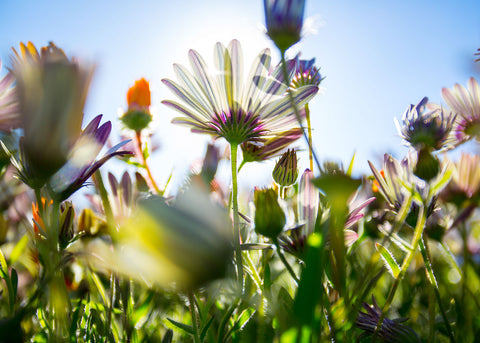
Backlit Hummingbird & Butterfly Wildflower Mix blooms in shades of purple and orange reaching toward the sun.
Hummingbird & Butterfly - Wildflower Mix Seeds
Price:From $6.50
Choose size
Maximum Blend - Snapdragon Seeds
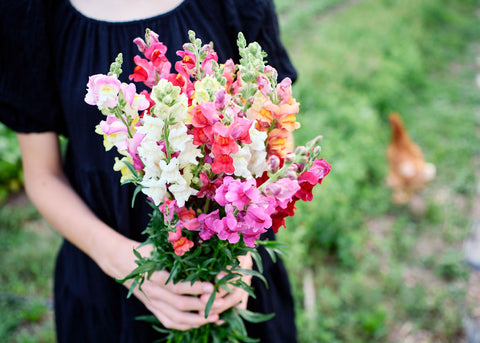
Person in a black dress holding a colorful bouquet of Maximum Blend snapdragons with a chicken in the background.
Maximum Blend - Snapdragon Seeds
Price:From $3.95
Choose size
Lemon Balm Seeds - Organic
Hands holding a small woven basket filled with freshly harvested, vibrant green Lemon Balm leaves.
Lemon Balm Seeds - Organic
Price:$5.35
Sold Out
Greek - Oregano Seeds
Small Greek oregano plant with vibrant green leaves growing in dark garden soil next to a wooden plant marker.
Greek - Oregano Seeds
Price:$4.95
Sold Out
Garlic Chives Seeds - Organic
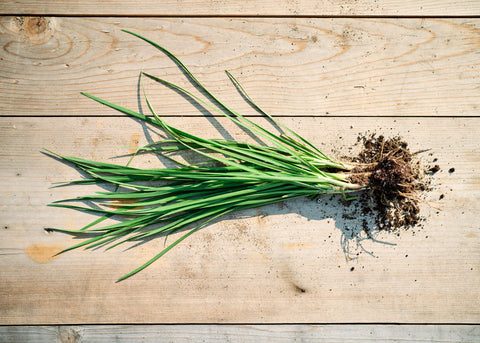
Garlic chives plant with long, flat green leaves and roots with soil, laid flat on a light wooden surface.
Garlic Chives Seeds - Organic
Price:$5.35
Choose size
Wild Bergamot - Bee Balm Seeds
A fuzzy bumblebee pollinating a lavender-pink Wild Bergamot Bee Balm flower cluster against a soft green background.
Wild Bergamot - Bee Balm Seeds
Price:$3.95
Sold Out

FAMILY OWNED

Hand packed in Pennsylvania by our family.

LAB TESTED

Third-party tested for reliable germination.

NON-GMO

Open-pollinated varieties for home gardens & seed saving.

UNTREATED SEED

Never coated with chemical seed treatments.

Establishing a Perennial Garden

A perennial garden begins with plants chosen for the place they will grow into. Echinacea, bee balm, yarrow, lavender, anise hyssop, thyme, sage, chives, and asparagus each bring their own shape, fragrance, harvest, and season of interest. Once established, they return to fill the garden with deeper roots and fuller growth year after year.

Prepare the site with the mature plant in mind. Give sun-loving flowers and Mediterranean herbs bright light and freely draining soil, allow enough room for spreading plants, and place permanent crops such as asparagus where they can remain undisturbed. Over time, perennial flowers bring back familiar color, culinary herbs return for fresh harvests, and medicinal herbs become an enduring part of the home garden.

Many perennial seeds benefit from patience and a natural rhythm of warmth and cold. Some germinate readily, while others respond to cold stratification or take longer to emerge. The first season is often devoted to root growth and establishment, followed by stronger flowering and harvests as the plants mature. With each returning season, the garden becomes more settled, generous, and connected to the place where it grows.

Gardens That Grow Deeper with Time

Pollinator Garden Seeds

Pollinator Garden Seeds

Flowers, herbs, and garden favorites that provide nectar, pollen, color, and habitat for beneficial insects.
Person holding a freshly harvested bouquet of True Hyssop with blue-purple flower spikes and narrow green leaves.

Medicinal Herb Garden Seeds

Flowers, herbs, and garden favorites that provide nectar, pollen, color, and habitat for beneficial insects.
Hands holding a white colander filled with striped, rosy pink Pink Bumble Bee cherry tomatoes.

Heirloom Garden Seeds

Time-tested vegetables, herbs, flowers, grains, and fruits carrying rich flavor, living history, and a tradition worth growing forward.

Perennial Garden Questions

Annual plants complete their life cycle in one growing season, producing flowers, fruit, and seed before the season ends. Perennials live for more than two years and return through multiple growing seasons, often becoming fuller and more established with time.

Some perennials flower and set seed during their first year, while many devote the first season to root and foliage growth, then begin flowering and producing seed in their second year or later. Some remain evergreen, while others die back in winter and emerge again from their roots in spring.

Biennials usually grow leaves and roots during their first season, then flower and set seed during the second.

Perennial seeds often follow a slower and more varied germination rhythm than annuals. Some sprout readily, while others benefit from cold stratification, scarification, or a longer period of warmth and moisture. Follow the directions for each variety and give seedlings time to develop strong roots.

Some perennials flower during their first season, while many devote the first year to building roots and foliage before producing a fuller display in later seasons. Growing conditions, sowing time, and the individual variety all influence the timing.

Asparagus grown from seed should be allowed to grow without harvesting during its first two full seasons while the plants develop strong crowns and deep roots.

In the third spring, gather only a light harvest for about two weeks, then allow the remaining spears to grow into ferny foliage and replenish the crowns. Extend the harvest gradually as the bed matures, eventually gathering spears for six to eight weeks each spring.