

Morris Heading - Collard Seeds

SKU: VCD102
Open-Pollinated
Heirloom
Sale price:$3.16 Regular price: $3.95
Choose size

🚚 FREE SHIPPING for all orders over $79!

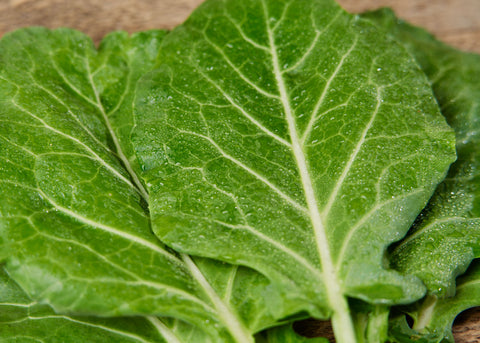
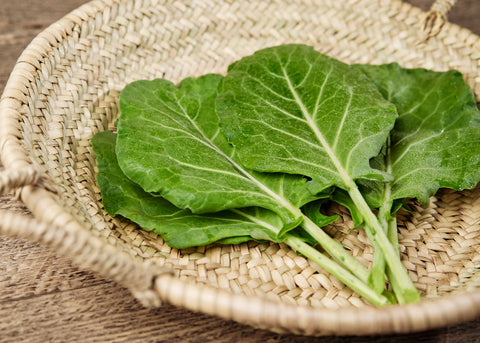
Morris Heading collards are an heirloom green known for forming loose, cabbage-like centers while still offering broad outer leaves for repeated picking. The leaves are blue-green, slightly savoyed, and mild, with a rich collard flavor that settles in beautifully with cool weather.

This variety is useful for gardeners who want both steady leaf harvests and a fuller head-like form later in the season. Cook it low and slow, chop it for skillets, or harvest young leaves for tender greens. It is a practical old Southern type.

Scientific name: Brassica oleracea
Life cycle: Biennial
Days to maturity: 50-80 days from sowing
Growth habit: Loose-heading

Every order is packed with care by our small team in Pennsylvania and typically ships within 2–3 business days—often by the next business day. We ship throughout the United States using USPS and UPS.

Unopened items may be returned within 30 days of delivery. If an order arrives damaged, incomplete, or incorrect, please contact us so we can make it right.

View Shipping Policy

We stand behind every packet we sell. Our seeds are carefully selected, tested for germination, untreated, and guaranteed to be true to variety.

Your seeds are covered for one year from the date of purchase. If they fail to germinate under reasonable growing conditions, arrive damaged, or do not grow true to type, contact us and we’ll make it right with a replacement, store credit, or refund.

View Refund, Return & Guarantee Policy

Previous
Next

FAMILY OWNED

Hand packed in Pennsylvania by our family.

LAB TESTED

Third-party tested for reliable germination.

NON-GMO

Open-pollinated varieties for home gardens & seed saving.

UNTREATED SEED

Never coated with chemical seed treatments.

Collard Growing Basics

Collards are among the oldest cultivated forms of cabbage, carrying broad, sturdy leaves instead of folding themselves into a head. Long treasured in Southern kitchens, they are a crop of abundance—one planting offering leaf after leaf through summer heat, cool autumn rain, and the first frosts of winter.

Their smooth blue-green leaves grow from an open central stalk and are generally more tolerant of heat than kale. Collards are cool-season biennials usually grown as annuals, thriving through steady moisture, regular harvest, and the gentler temperatures of spring and fall.

Direct sow collards about 3–5 weeks before the expected last spring frost, or start seeds indoors about 4–6 weeks before transplanting. Harden seedlings gradually and set them out while weather remains cool.

Collards tolerate both heat and cold better than many other brassicas. For a fall crop, sow about 8–10 weeks before the expected first frost. Mature plants withstand light freezes, and cool weather often improves flavor.

Sow seeds about ¼–½ inch deep and keep the soil evenly moist until seedlings emerge. Thin or transplant full-sized plants to about 12–18 inches apart.

Plants may initially be spaced more closely, with every other plant harvested young to create room for those left to mature. Closer spacing also works where the crop is intended mainly for baby leaves.

Choose a site with full sun and fertile, well-drained soil enriched with finished compost. Collards tolerate some light shade, though full sun produces the strongest plants during cool weather.

Keep moisture steady so new leaves remain tender, particularly during summer heat. Mulch once plants are established to conserve moisture, protect soil structure, and suppress weeds. Harvest regularly to encourage fresh leaves from the center.

Begin harvesting young plants once they reach about 6–10 inches tall, or pick the largest outer leaves from mature plants as needed. Leave the central growing point intact so the plant continues producing.

Harvest regularly before older leaves become coarse. Collards may continue yielding through summer and well into autumn, and leaves gathered after light frost are often especially mild and sweet.