
Cilantro - Slow-Bolting Organic Coriander Seeds

SKU: HCO102
Open-Pollinated
Certified Organic
Heirloom
Price:$4.95
Choose size

🚚 FREE SHIPPING for all orders over $79!

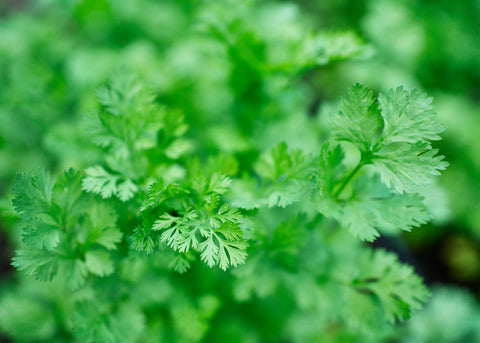
Slow-bolting cilantro is grown for cool, bright leaves with the unmistakable flavor that wakes up salsa, tacos, curries, soups, and garden bowls. The leafy plants prefer the gentler weather of spring and fall, giving harvests of tender green sprigs before summer heat pushes them toward bloom.

When the plants flower, they feed small beneficial insects and then set coriander seed, the warm, citrusy spice used around the world. Few herbs give two such distinct harvests from one sowing: fresh cilantro first, fragrant seed later.

Every order is packed with care by our small team in Pennsylvania and typically ships within 2–3 business days—often by the next business day. We ship throughout the United States using USPS and UPS.

Unopened items may be returned within 30 days of delivery. If an order arrives damaged, incomplete, or incorrect, please contact us so we can make it right.

View Shipping Policy

We stand behind every packet we sell. Our seeds are carefully selected, tested for germination, untreated, and guaranteed to be true to variety.

Your seeds are covered for one year from the date of purchase. If they fail to germinate under reasonable growing conditions, arrive damaged, or do not grow true to type, contact us and we’ll make it right with a replacement, store credit, or refund.

View Refund, Return & Guarantee Policy

Previous
Next

NON-GMO

Open-pollinated varieties for home gardens & seed saving

UNTREATED SEED

Safe seed, free from chemical treatments

HAND PACKED IN PA

Prepared with care by our family and small team

100% SATISFACTION

Third-party lab tested and backed by our guarantee

Growing Guide

Cilantro has been grown for thousands of years, valued for both its fresh green leaves and its dried seed, known as coriander. Native to parts of the Mediterranean, North Africa, and western Asia, it has traveled through kitchens around the world, bringing bright flavor to salsas, curries, soups, chutneys, salads, pickles, and spice blends.

In the garden, cilantro is a cool-season annual with a quick rhythm. It grows leafy and tender in mild weather, then sends up delicate white flower umbels as days lengthen and heat arrives. The leaves, flowers, green seed, and mature coriander seed are all useful, making cilantro one of the most generous herbs for both the kitchen and the pollinator garden.

Scientific name: coriandrum sativum
Days to maturity: 50 leaf, 100 seed
Seed depth: 1/4-1/2"
Days to sprout: 7-10
Plant spacing: 4-6"
Row spacing: 8-12"
Light requirements: sunny / partial shade
Plant height: 12-18"
Life cycle: annual
Frost hardy: yes

Direct sow cilantro in early spring as soon as the soil can be worked. It grows best in cool to mild weather and often bolts quickly once heat and long days arrive.

For a steady leaf harvest, sow small batches every two to three weeks during spring and again in late summer for fall harvests. In mild climates, cilantro can also be fall sown and may overwinter where cold is not severe.

Sow seeds about ¼–½ inch deep in prepared garden soil. Keep the seedbed evenly moist until germination, which usually takes one to two weeks.

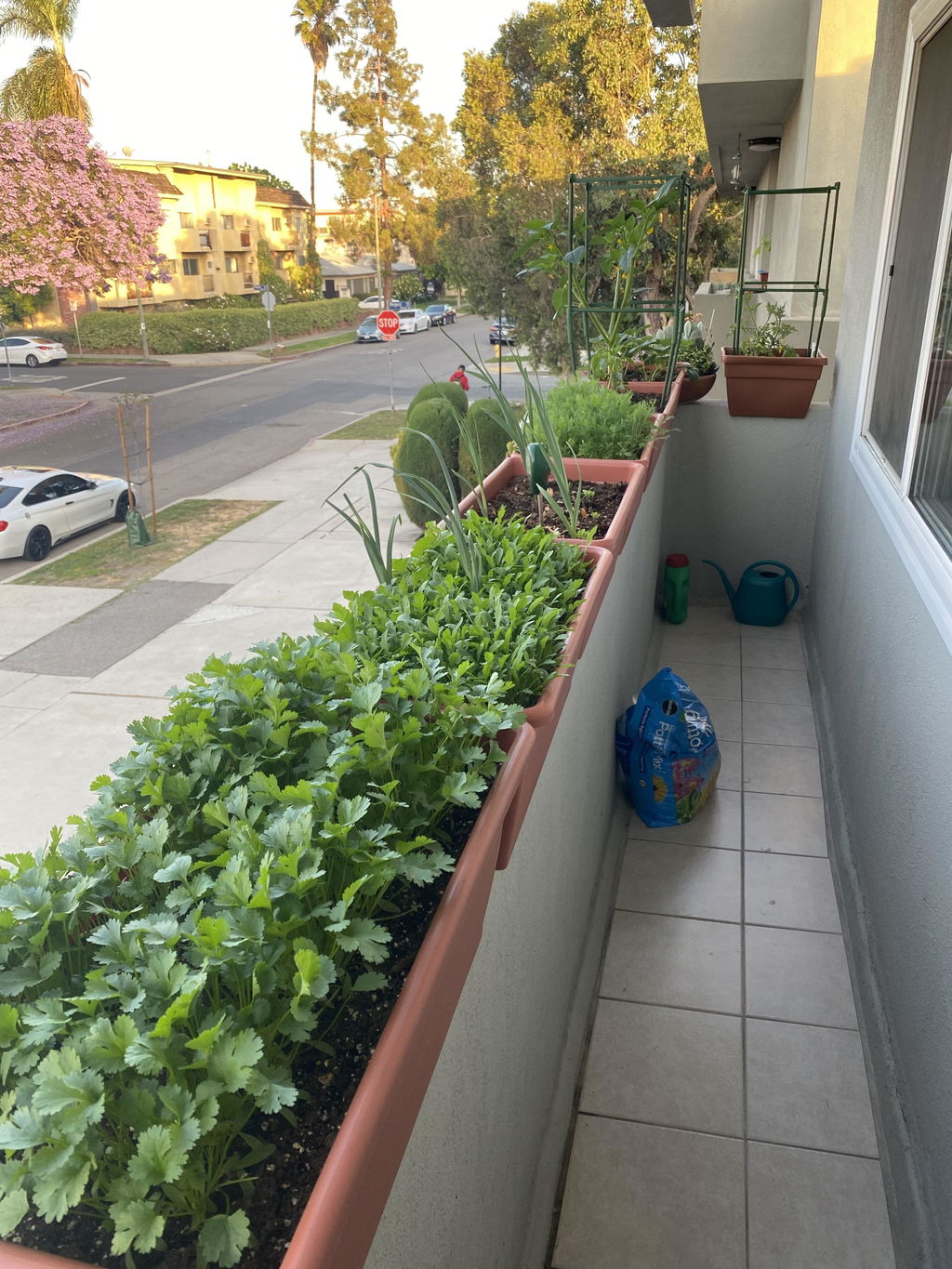
Cilantro develops a taproot and is best direct sown rather than transplanted. Thin seedlings to about 4–6 inches apart for leaf harvest, or give plants more space if growing them through flowering and seed production. Cilantro can also be grown in containers, especially in cool weather.

Choose a site with full sun in cool weather or light afternoon shade as temperatures rise. Cilantro grows best in loose, well-drained soil with moderate fertility.

Keep moisture steady for the most tender leaves. Dry soil and heat can push plants to flower sooner. Mulch lightly once seedlings are established to cool the soil, protect moisture, and reduce weed pressure.

Allow some plants to flower if you want coriander seed or beneficial insect habitat. The small white flowers are especially attractive to hoverflies, parasitic wasps, bees, and other garden allies.

Harvest cilantro leaves once plants are large enough to spare a few stems. Cut outer stems near the base, leaving the center to continue growing. For the best flavor, harvest in the cool part of the day.

Once plants begin flowering, leaf flavor often becomes stronger and less tender. Use the flowers fresh, harvest green coriander seed for a bright citrusy flavor, or allow seed heads to mature fully for dried coriander.

For dry seed, harvest when the seed heads turn tan and the seeds become firm and aromatic. Finish drying under cover, then rub the heads to release the seed.

Cilantro leaves provide vitamin K, vitamin C, vitamin A, potassium, and aromatic plant compounds. Coriander seed contains essential oils that give it a warm, citrusy, slightly floral flavor.

Use fresh leaves in salsa, tacos, curries, soups, chutneys, salads, rice, noodle dishes, and herb sauces. Use coriander seed whole or ground in pickles, spice blends, roasted vegetables, breads, stews, and marinades.

Cilantro is generally easy to grow, though aphids, leafminers, caterpillars, and slugs may appear. Inspect young plants regularly and remove damaged leaves if needed.

Good spacing, clean beds, crop rotation, and soil-level watering help reduce leaf spots, mildew, and stem problems. Avoid overcrowding, especially in damp spring or fall weather.

Cilantro is an annual herb that flowers and sets seed in one season. It is insect-pollinated and can cross with other cilantro varieties flowering nearby, so grow only one variety for seed or provide isolation if maintaining a variety true to type.

Select healthy plants with strong flavor, good leaf production, and the timing you want to preserve. Allow plants to flower and form seed heads. Harvest when seeds turn tan to light brown and become dry and firm.

Cut seed-bearing stems before the seeds shatter heavily. Finish drying them in a warm, airy place under cover, then rub or thresh the heads to release the seed. Remove chaff and store fully dry seed in a labeled container in a cool, dark place.

  • Direct sow cilantro instead of transplanting when possible.
  • Sow small batches often for a longer leaf harvest.
  • Provide afternoon shade as weather warms.
  • Let some plants flower for pollinators and coriander seed.
  • Harvest dry seed before it scatters in the garden.