
Peach Melba - Nasturtium Seeds

Price:$4.35
Open-Pollinated
Quick Facts
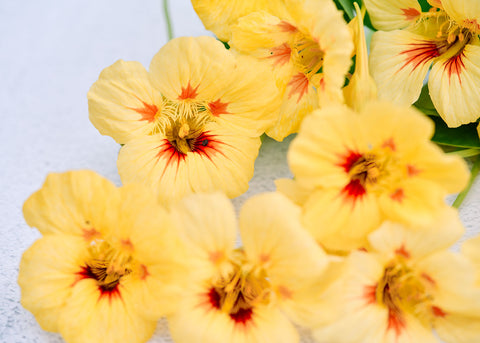
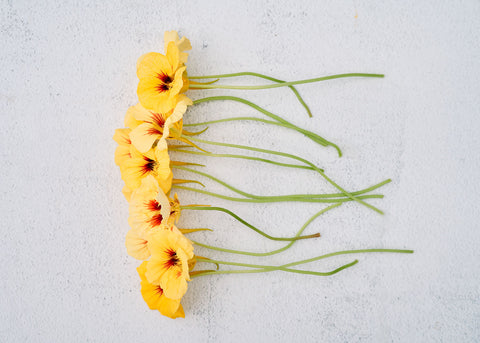
  • Creamy peach-touched flowers with warm orange-red centers
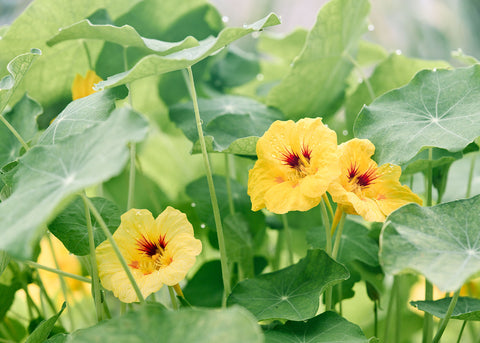
  • Compact plants mound and trail gently over container edges
  • Peppery edible leaves and flowers brighten summer plates
  • 55–70 days from sowing to bloom
  • Tropaeolum nanum
Choose size

🌱 Sow with Confidence—One-Year Seed Guarantee

Peach Melba nasturtium blooms in creamy yellow touched with peach and marked by warm orange-red centers, a cheerful little flower with the look of a hand-painted summer treat. Compact plants mound and trail gently, making them easy to tuck into containers, raised beds, borders, and edges of the vegetable garden.

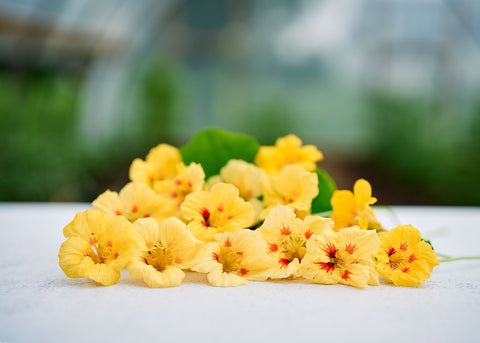
The flowers and leaves are edible, with the peppery bite nasturtiums are known for. Use the blooms fresh as a bright garnish, or simply let them tumble where their soft color, rounded leaves, and pollinator-friendly flowers can bring charm close to the kitchen.

Orders ship from Pennsylvania within 1–2 business days via USPS. Orders $79+ ship free within the contiguous United States.

Unopened items may be returned within 30 days. If something arrives damaged, incomplete, or incorrect, we’ll make it right.

View Shipping Policy

We stand behind every packet. Our seeds are untreated, germination-tested, true to variety, and covered for one year from purchase.

If seeds arrive damaged, fail to germinate under reasonable growing conditions, or do not grow true to type, contact us and we’ll make it right with a replacement, store credit, or refund.

View Refund, Return & Guarantee Policy

Previous
Next

FAMILY OWNED

Hand packed in Pennsylvania by our family.

LAB TESTED

Third-party tested for reliable germination.

NON-GMO

Open-pollinated varieties for home gardens & seed saving.

UNTREATED SEED

Never coated with chemical seed treatments.

Nasturtium Growing Basics

Nasturtiums (Tropaeolum majus) are among the most versatile flowers in the garden, combining brilliant blooms, edible flowers and leaves, and exceptional companion planting benefits in one easy-to-grow annual. Native to South America, they quickly became favorites in cottage gardens and kitchen gardens for their cheerful flowers in shades of yellow, orange, red, cream, and salmon.

Their trailing or bushy growth makes them equally suited to garden beds, containers, hanging baskets, and vegetable gardens. The nectar-rich flowers attract bees, butterflies, and hummingbirds, while the peppery leaves and blossoms bring fresh flavor and vibrant color to the kitchen.

Direct sow nasturtiums outdoors after all danger of frost has passed and the soil has begun to warm. Because they grow quickly, direct sowing generally produces the healthiest plants.

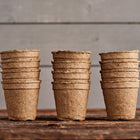
For an earlier display, seeds may be started indoors about 2–3 weeks before the last spring frost in biodegradable pots to minimize root disturbance. Successive sowings into early summer provide continued blooms well into fall.

Large seeds benefit from soaking in room-temperature water for 8–12 hours before planting to help soften the seed coat and encourage more even germination.

Sow seeds about ½–1 inch deep in prepared soil and keep evenly moist until seedlings emerge, usually within 7–14 days. Space compact varieties 8–10 inches apart and trailing varieties 10–14 inches apart, allowing room for vines to spread naturally.

Grow nasturtiums in full sun to light afternoon shade in well-drained soil. They bloom most heavily in average or even relatively poor soils. Rich soil or excessive fertilizer encourages lush foliage at the expense of flowers.

Water regularly while plants establish, then during extended dry periods. Remove spent flowers to encourage continued blooming, or leave a few to mature if seed saving is desired.

Nasturtiums are outstanding companion plants in vegetable gardens. Their flowers attract bees and other pollinators, while the foliage often draws aphids away from nearby crops, making them a commonly used trap crop. They pair especially well with tomatoes, cucumbers, squash, brassicas, beans, and fruit trees while helping create a more diverse, beneficial insect habitat.

Harvest flowers early in the day after the dew has dried. Young leaves, flowers, flower buds, and immature green seed pods are all edible and have a pleasant peppery flavor similar to watercress.

For bouquets, harvest stems when several flowers have opened. Although primarily grown for the garden, nasturtiums also add a loose, colorful accent to informal arrangements.