


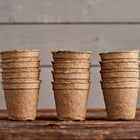


Should you start your vegetable seeds indoors or plant them directly in the garden? The answer depends on the crop, the time of year, and the growing conditions it prefers.
Vegetables are generally divided into two groups: cool-season crops and warm-season crops. Understanding the difference helps you determine when to plant, which seeds benefit from an indoor start, and which vegetables grow best when sown directly into garden soil.
Here in Chester County, Pennsylvania, we grow both types throughout the gardening season. Cool-season vegetables fill the garden in spring and fall, while warm-season crops thrive during the longer, warmer days of summer. With a little planning, you can make the most of each growing season.

What Are Cool-Season Vegetables?
Cool-season vegetables grow best during the milder temperatures of spring and fall. Many tolerate light frost, and some become sweeter after exposure to cold weather. Others, particularly leafy greens, may bolt or develop bitter flavors when summer temperatures rise.
Common cool-season vegetables include:
Leafy greens: Lettuce, spinach, kale, Swiss chard, arugula, chicory, and radicchio.
Root vegetables: Carrots, beets, radishes, turnips, parsnips, and rutabagas.
Brassicas: Broccoli, cabbage, cauliflower, Brussels sprouts, and kohlrabi.
Other cool-season crops: Peas, onions, scallions, leeks, celery, and fennel.
Many cool-season crops can be grown twice each year: once in early spring and again in late summer or fall. However, planting dates vary by crop. Some vegetables can be sown as soon as the soil is workable, while others need an earlier indoor start to reach maturity before temperatures become too warm.
Which Cool-Season Vegetables Should Be Direct-Sown?
Several cool-season vegetables perform best when their seeds are planted directly into the garden. Root crops, in particular, often develop better when their roots are allowed to grow without the disturbance of transplanting.
Carrots, parsnips, radishes, and turnips are generally best direct-sown. Their developing roots can become misshapen when disturbed during transplanting.
Peas also grow well from direct sowing. They germinate in relatively cool soil and establish quickly without needing an indoor start.
Spinach and many lettuce varieties can be sown directly outdoors in early spring or late summer. Lettuce can also be started indoors for transplanting when an earlier harvest is desired.
Beets and Swiss chard are commonly direct-sown, although carefully grown transplants can also be successful.
For spring planting, pay attention to soil conditions rather than relying on the calendar alone. Soil that is cold but workable may be suitable for certain crops, while saturated or compacted soil should be allowed to dry before planting.
Which Cool-Season Vegetables Benefit From Transplanting?
Not every cool-season crop should be planted directly outdoors. Some vegetables benefit from being started indoors several weeks before they are moved into the garden.
Broccoli, cabbage, cauliflower, and Brussels sprouts are commonly grown from transplants. Starting these crops indoors allows gardeners to establish healthy young plants before outdoor conditions are suitable.
Onions and leeks also benefit from an early start because they develop slowly. In Pennsylvania, these crops are often started indoors during winter and transplanted outdoors in spring.
Celery has a long growing season and typically requires an indoor start to produce mature stalks before the end of the season.
Transplanting can be particularly useful for spring brassicas because it gives plants a head start before warmer temperatures arrive. For fall crops, starting seeds indoors during summer can help establish transplants while garden space is still occupied by earlier vegetables.

What Are Warm-Season Vegetables?
Warm-season vegetables thrive during the warmer months of late spring and summer. Most are sensitive to frost, and many require consistently warm soil to germinate and grow successfully.
Common warm-season vegetables include:
Fruiting vegetables: Tomatoes, peppers, eggplant, and okra.
Vining crops: Cucumbers, summer squash, winter squash, pumpkins, muskmelons, and watermelons.
Other warm-season crops: Beans, sweet corn, and soybeans.
Unlike many cool-season vegetables, warm-season crops are generally planted outdoors after the danger of frost has passed. However, the last frost date is only one consideration. Soil temperature is equally important, especially for crops such as beans, corn, squash, and melons.

Which Warm-Season Vegetables Should Be Started Indoors?
Some warm-season vegetables require a relatively long growing season. Starting them indoors allows gardeners to establish healthy plants before outdoor temperatures are warm enough for transplanting.
Tomatoes are typically started indoors about 6–8 weeks before their anticipated transplanting date. They grow quickly under favorable conditions and should not be started so early that they become oversized or rootbound.
Peppers and eggplant generally benefit from an earlier start, often 8–10 weeks before transplanting. These crops germinate and develop more slowly than tomatoes and appreciate warm growing conditions.
Cucumbers, squash, pumpkins, and melons can also be started indoors, but they require a different approach. Their roots are sensitive to disturbance, so they should be started only about 2–4 weeks before transplanting, preferably in individual containers that minimize root disruption.
For a more detailed explanation of indoor sowing, containers, lighting, watering, and transplant preparation, see our guide to starting seeds indoors.
Which Warm-Season Vegetables Are Best Direct-Sown?
Several warm-season crops establish quickly when planted directly into warm garden soil. For these vegetables, direct sowing is often easier and just as effective as starting transplants.
Beans are excellent candidates for direct sowing. Both bush and pole beans establish readily in warm soil and generally do not benefit from transplanting.
Sweet corn is traditionally direct-sown in blocks to encourage good pollination. Planting into sufficiently warm soil supports more reliable germination and establishment.
Okra thrives in heat and can be direct-sown once the soil is thoroughly warm. In areas with shorter growing seasons, it may also be started indoors carefully.
Squash, pumpkins, cucumbers, and melons are also well suited to direct sowing. When soil temperatures are favorable and the growing season is long enough, these crops often establish quickly without the need for transplanting.
For most warm-season vegetables, planting too early into cold soil can delay germination and increase the risk of seed decay. Waiting for appropriate conditions usually produces stronger results than rushing the planting date.
Direct Sowing vs. Transplanting: A Quick Vegetable Guide
Use this general reference when planning your vegetable garden. Planting methods may vary depending on your climate, growing season, and preferred harvest schedule.
| Vegetable | Season | Preferred Method |
|---|---|---|
| Carrots | Cool | Direct sow |
| Radishes | Cool | Direct sow |
| Peas | Cool | Direct sow |
| Spinach | Cool | Direct sow |
| Lettuce | Cool | Either |
| Broccoli | Cool | Transplant preferred |
| Cabbage | Cool | Transplant preferred |
| Onions | Cool | Transplant preferred |
| Tomatoes | Warm | Transplant preferred |
| Peppers | Warm | Transplant preferred |
| Eggplant | Warm | Transplant preferred |
| Beans | Warm | Direct sow |
| Sweet Corn | Warm | Direct sow |
| Cucumbers | Warm | Either |
| Squash | Warm | Direct sow preferred |
| Melons | Warm | Either |
When Should You Plant Cool-Season and Warm-Season Vegetables?
The best planting dates depend on your location, average frost dates, soil temperature, and the number of days each crop needs to mature.
Early Spring
Direct sow hardy vegetables such as peas, spinach, radishes, and carrots when soil conditions are suitable. Established transplants of certain brassicas and other cool-season crops can also be planted outdoors after proper hardening off.
Late Spring and Early Summer
After the danger of frost has passed and the soil has warmed, transplant tomatoes, peppers, and eggplant. Direct sow beans, corn, squash, cucumbers, and other warm-season crops according to their preferred soil temperatures.
Late Summer and Fall
As summer begins to wind down, many cool-season vegetables can be planted again for fall harvest. Lettuce, spinach, radishes, turnips, kale, and certain brassicas are particularly useful for extending the gardening season.
Fall planting requires some additional planning. Seeds may need to be started during hot weather, and crops generally grow more slowly as daylight decreases. Allow enough time for plants to reach a harvestable size before temperatures become too cold.

Watering and Fertilizing Cool-Season and Warm-Season Vegetables
Regardless of the season, healthy vegetables need consistent moisture and appropriate nutrition. Watering and fertilizing requirements depend more on the individual crop, soil conditions, and stage of growth than on whether a vegetable is classified as cool-season or warm-season.
Leafy greens and shallow-rooted crops may need frequent watering during dry weather. Deep-rooted vegetables can sometimes draw moisture from farther below the surface, but they still require adequate water during establishment and periods of active growth.
Warm-season fruiting crops such as tomatoes, peppers, and squash need consistent moisture, especially during flowering and fruit development. Irregular watering can contribute to plant stress and reduced harvest quality.
Before applying fertilizer, consider your soil's existing nutrient levels. A soil test can help determine whether additional nutrients are needed. Excess fertilizer, particularly nitrogen, can encourage leafy growth at the expense of roots or fruit.
Growing Guides for Your Vegetable Garden
Choosing the right planting method is only the beginning. Each vegetable has its own requirements for planting depth, spacing, sunlight, watering, and days to maturity.
While this guide focuses on vegetables, many herbs and flowers also have specific temperature requirements and preferences for direct sowing or transplanting. Our Growing Guides offer planting instructions for a wide range of vegetables, herbs, and flowers.
Looking for Crop-Specific Planting Advice?
Explore our Growing Guides for practical instructions on sowing, spacing, transplanting, and caring for vegetables, herbs, and flowers throughout the growing season.
A Productive Garden Begins With Good Planning
Understanding the difference between cool-season and warm-season vegetables makes it easier to plan a garden that produces throughout the year. Some crops thrive in the cool days of spring and fall, while others need the warmth of summer to reach their full potential.
Just as important is choosing the right planting method. Direct sowing allows certain vegetables to establish naturally in the garden, while starting other crops indoors provides a valuable head start.
With the right seeds, appropriate planting dates, and a little preparation, you can enjoy a more productive garden from the first spring harvest through the final days of fall.


