

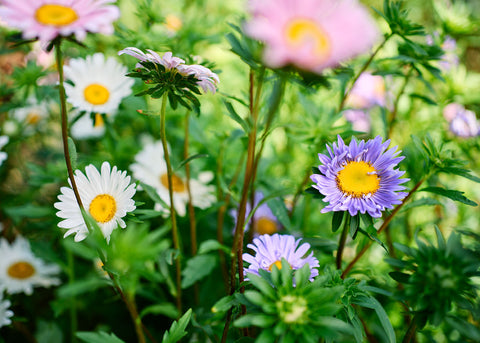
Crego Mix - China Aster Seeds

SKU: FAR102
Open-Pollinated
Heirloom
Price:$3.95
Choose size

🚚 FREE SHIPPING for all orders over $79!

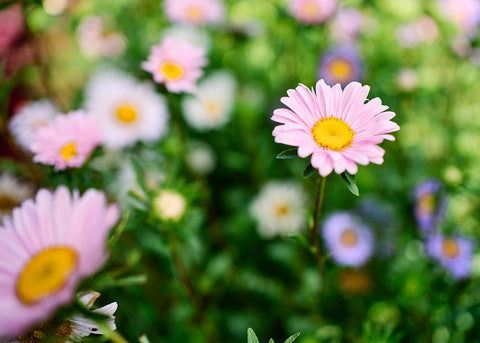
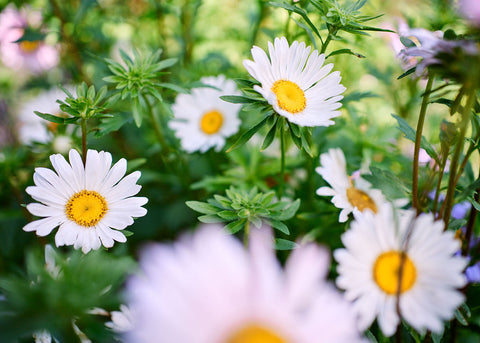
Crego Mix China aster produces large, shaggy blooms with curled petals that resemble late-summer chrysanthemums. The mix brings soft and vivid shades of pink, lavender, purple, rose, white, and blue, adding a refined, old-garden look just when many early flowers begin to tire.

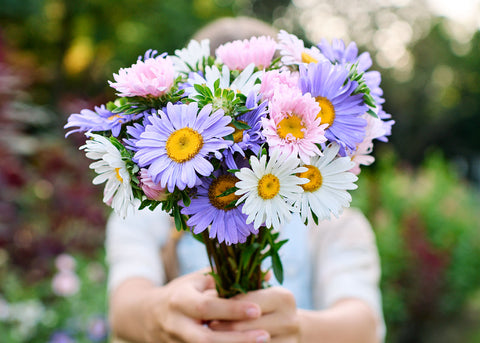
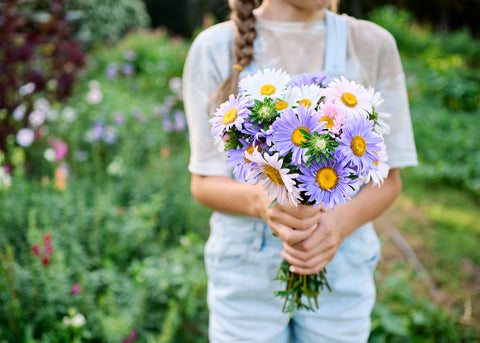
Strong stems make Crego asters especially useful for cutting, with flowers that hold well in arrangements and bring fullness to bouquets. Plant them where air can move freely, and they will reward the season with layered color, texture, and a graceful finish.

Every order is packed with care by our small team in Pennsylvania and typically ships within 2–3 business days—often by the next business day. We ship throughout the United States using USPS and UPS.

Unopened items may be returned within 30 days of delivery. If an order arrives damaged, incomplete, or incorrect, please contact us so we can make it right.

View Shipping Policy

We stand behind every packet we sell. Our seeds are carefully selected, tested for germination, untreated, and guaranteed to be true to variety.

Your seeds are covered for one year from the date of purchase. If they fail to germinate under reasonable growing conditions, arrive damaged, or do not grow true to type, contact us and we’ll make it right with a replacement, store credit, or refund.

View Refund, Return & Guarantee Policy

Previous
Next

NON-GMO

Open-pollinated varieties for home gardens & seed saving

UNTREATED SEED

Safe seed, free from chemical treatments

HAND PACKED IN PA

Prepared with care by our family and small team

100% SATISFACTION

Third-party lab tested and backed by our guarantee

Growing Guide

China asters have been grown in flower gardens for centuries, valued for their full, many-petaled blooms and long, sturdy cutting stems. Native to eastern Asia, these annual flowers have been shaped through generations of selection into an extraordinary range of forms, from softly curled petals to dense, rounded blooms that resemble chrysanthemums or small peonies.

Flowers appear in white, blush, pink, lavender, purple, blue, red, and rich jewel-toned mixtures. China asters bring generous late-summer color to garden rows and borders, but they are especially prized for cutting. Their strong stems, lasting vase presence, and refined flower shapes make them useful as focal blooms in homegrown bouquets.

Scientific name: callistephus chinensis
Days to maturity: 100-120
Seed depth: 1/8"
Days to sprout: 10-14
Plant spacing: 6-12"
Row spacing: 18-24"
Light requirements: sunny / partial shade
Plant height: 12-30"
Life cycle: annual
Frost hardy: no

Start China asters indoors about 6–8 weeks before the expected last spring frost, or direct sow outdoors once the soil can be worked and severe frost has passed. They prefer mild conditions during establishment and should be hardened gradually before transplanting.

For a longer flowering season, make two or three sowings several weeks apart. In regions with long autumns, an early-summer sowing can provide fresh blooms as temperatures begin to cool, though plants must have enough time to mature before hard frost.

Sow seeds about ⅛–¼ inch deep in moist seed-starting mix or prepared garden soil. Keep the soil evenly moist until germination, which usually occurs within one to two weeks under favorable conditions.

Provide strong light and good airflow as soon as seedlings emerge. Harden indoor-grown plants gradually before transplanting. Space most China asters about 8–12 inches apart, with a little more room for large, heavily branching varieties.

Avoid disturbing the roots more than necessary during transplanting, and set plants at the same depth they were growing in their containers.

Choose a site with full sun and fertile, well-drained soil enriched with finished compost. China asters grow best with steady moisture, particularly while plants are establishing and developing buds.

Water near the soil rather than over the foliage, and mulch lightly to conserve moisture and reduce soil splash. Tall or large-flowered varieties may need support before stems become heavy with bloom.

China asters fit naturally into cutting rows and mixed flower borders. Their open flower centers can also attract bees and other pollinators, though densely double forms offer less accessible pollen and nectar. Pairing them with cosmos, alyssum, calendula, dill, or other open-centered flowers helps create a more varied planting for beneficial insects.

Cut China asters when the outer petals have opened and the flower is nearly full, but before the center begins to age. Harvest during the cool part of the day and place stems in clean water promptly.

Strip foliage that would sit below the waterline. Regular cutting encourages the plants to continue developing buds, though each stem generally produces a more limited number of blooms than heavily branching flowers such as zinnias or cosmos.

China asters hold well in arrangements and are especially useful as focal flowers alongside airy fillers, grasses, herbs, and smaller blooms.

China asters are grown for ornamental, pollinator, and cutting-garden value. Their greatest usefulness lies in the wide range of colors, flower shapes, and stem lengths available to home gardeners and flower growers.

Use the blooms in fresh bouquets, table arrangements, market-style bunches, cottage gardens, borders, and dedicated cutting rows. Their full flower heads pair beautifully with cosmos, snapdragons, celosia, amaranth, dill, and other textured garden stems.

Aphids, spider mites, leafhoppers, slugs, and caterpillars may occasionally feed on China asters. Inspect seedlings and tender growth regularly, and remove badly damaged foliage when needed.

China asters are especially sensitive to soilborne wilt and root diseases. Rotate them to a different part of the garden each year, avoid planting repeatedly where asters have recently grown, and remove affected plants promptly. Generous spacing, clean tools, good drainage, and soil-level watering help reduce further problems.

China asters are insect-pollinated annuals, and varieties may cross when flowering near one another. Grow one variety for seed or provide generous isolation if maintaining a particular color or flower form is important.

Choose healthy, vigorous plants with sturdy stems, strong flower form, and the traits you want to preserve. Allow selected blooms to fade and remain on the plant until the centers turn brown and dry.

Cut mature seed heads before wind or rain scatters the seed. Finish drying them under cover, then rub the heads apart and separate the seed from the light chaff. Store fully dry seed in a labeled container in a cool, dark place.

  • Make several sowings for a longer cutting season.
  • Give seedlings strong light and good airflow.
  • Rotate planting locations from year to year.
  • Support tall varieties before blooms become heavy.
  • Harvest when flowers are nearly fully open.