
Jet Black Barley - Organic Cover Crop Seeds

SKU: VBY101
Open-Pollinated
Certified Organic
Heirloom
Price:$4.95
Choose size

🚚 FREE SHIPPING for all orders over $79!

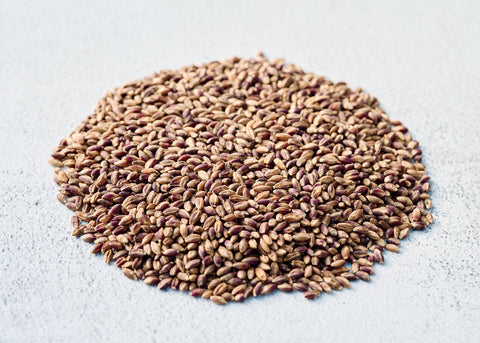
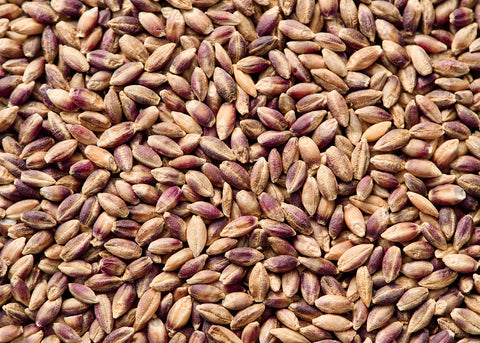
Jet Black Barley is an ornamental and edible grain with dark, glossy seed heads that bring drama and texture to garden beds, grain patches, and dried arrangements. As a cover crop or small grain, it offers both beauty and practical soil-covering value.

Grow it for seed heads, craft use, experimental grain harvests, or seasonal interest in the garden. The nearly black heads make this barley stand out, giving a humble grain crop a striking, almost metallic finish.

Scientific name: Hordeum vulgare
Life cycle: Annual
Days to maturity: 80-100 days from sowing
Grain type: Hulled barley

Every order is packed with care by our small team in Pennsylvania and typically ships within 2–3 business days—often by the next business day. We ship throughout the United States using USPS and UPS.

Unopened items may be returned within 30 days of delivery. If an order arrives damaged, incomplete, or incorrect, please contact us so we can make it right.

View Shipping Policy

We stand behind every packet we sell. Our seeds are carefully selected, tested for germination, untreated, and guaranteed to be true to variety.

Your seeds are covered for one year from the date of purchase. If they fail to germinate under reasonable growing conditions, arrive damaged, or do not grow true to type, contact us and we’ll make it right with a replacement, store credit, or refund.

View Refund, Return & Guarantee Policy

Previous
Next

FAMILY OWNED

Hand packed in Pennsylvania by our family.

LAB TESTED

Third-party tested for reliable germination.

NON-GMO

Open-pollinated varieties for home gardens & seed saving.

UNTREATED SEED

Never coated with chemical seed treatments.

Barley Growing Basics

Barley is one of the world’s oldest cultivated grains, grown for thousands of years across the Middle East, North Africa, Europe, and Asia. It has long served as food for people and livestock, a base for malt, and a dependable crop in places where other grains struggle.

In the garden, barley forms upright grassy plants topped with bristled seed heads that turn from green to gold as they mature. It can be grown through to harvest as a grain, or planted as a cover crop to protect bare soil, take up leftover nutrients, suppress early weed growth, and add organic matter when cut and returned to the ground.

Sow barley in early spring as soon as the soil can be worked, or in fall where winters are mild enough for the chosen variety to survive. Spring barley matures during the warmer months, while winter barley is planted in autumn, rests through cold weather, and resumes growth in spring.

For cover cropping, sow after a garden bed is cleared or several weeks before the soil is expected to freeze. Barley establishes quickly in cool weather but is less winter-hardy than cereal rye, so it may winterkill in colder climates and leave an easy-to-manage mulch behind.

Barley is direct sown rather than transplanted. Prepare a firm, weed-free seedbed and sow seed about 1–1½ inches deep.

For grain, broadcast seed evenly and rake it in, or plant in rows about 6–8 inches apart. Aim for a dense, even stand that fills the bed without becoming so crowded that airflow is restricted.

For a cover crop, broadcast more densely so the plants close over the soil quickly. Rake the seed into good contact with the ground and water gently if rainfall is not expected.

Choose a site in full sun with loose, well-drained soil. Barley grows well in moderately fertile ground and usually does not need heavily enriched soil.

Keep grain plantings free of weeds during early growth. Once the plants begin producing side shoots and filling in the bed, they compete more effectively with weeds and shade much of the soil surface.

Water during extended dry periods, especially while grain heads are forming and kernels are filling. Cover-crop stands usually need little care after establishment unless conditions remain unusually dry.

When barley is grown to improve the soil rather than for grain, cut it before the seed heads fully mature. The tender growth can be left on the surface as mulch or chopped and worked shallowly into the soil. Allow time for the plant material to begin breaking down before planting the next crop.

For grain, harvest when the plants and seed heads have turned golden and the kernels are hard enough that they cannot be easily dented with a fingernail. The stems should be dry, but the heads should still hold together without heavy shattering.

Cut the stalks near the base and gather them into loose bundles. Allow them to finish drying in a warm, protected, well-ventilated place.

Thresh the dry heads by rubbing or beating them over a clean surface. Winnow the grain in a light breeze or in front of a fan to separate the kernels from the chaff. Dry the cleaned grain thoroughly before storage.

For cover-crop use, cut barley while it is still green and before mature seed forms. Earlier cutting produces softer material that breaks down more quickly, while later growth creates more biomass but takes longer to decompose.