
Late Flat Dutch - Cabbage Seeds

SKU: VCE102
Open-Pollinated
Heirloom
Price:$3.95
Choose size

🚚 FREE SHIPPING for all orders over $79!

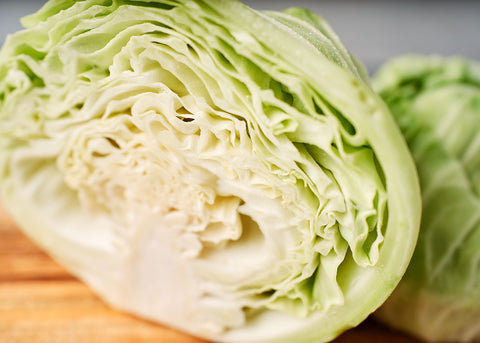
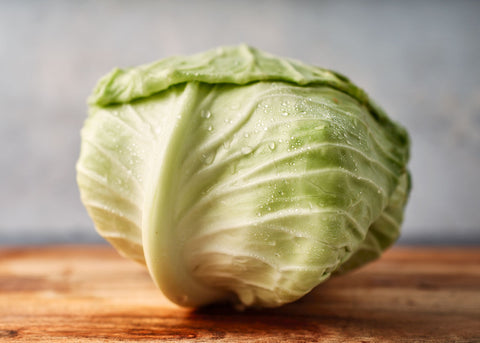
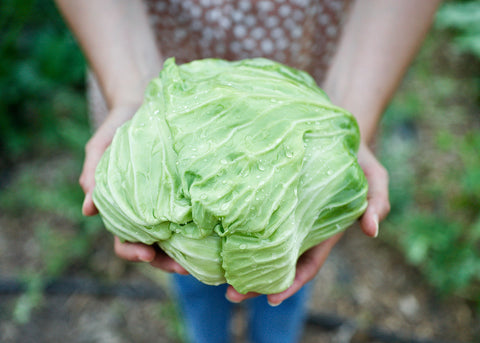
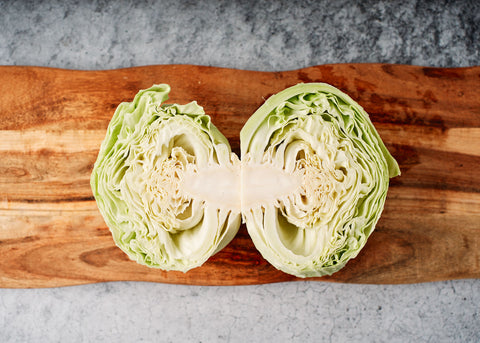
Late Flat Dutch is a venerable heirloom cabbage, grown since the 1800s for large, broad, flattened heads and dependable late-season harvests. The heads are dense and heavy, with pale green leaves and the sturdy texture gardeners want from a cabbage meant for the serious kitchen.

This is a good choice for fall harvests, slaw, kraut, storage, and hearty cooking. Give it room, steady fertility, and time. Late Flat Dutch is not a quick little cabbage; it is the big one waiting at the end of the season.

Scientific name: Brassica oleracea
Life cycle: Biennial
Days to maturity: 95-100 days from sowing
Head shape: Large, flat

Every order is packed with care by our small team in Pennsylvania and typically ships within 2–3 business days—often by the next business day. We ship throughout the United States using USPS and UPS.

Unopened items may be returned within 30 days of delivery. If an order arrives damaged, incomplete, or incorrect, please contact us so we can make it right.

View Shipping Policy

We stand behind every packet we sell. Our seeds are carefully selected, tested for germination, untreated, and guaranteed to be true to variety.

Your seeds are covered for one year from the date of purchase. If they fail to germinate under reasonable growing conditions, arrive damaged, or do not grow true to type, contact us and we’ll make it right with a replacement, store credit, or refund.

View Refund, Return & Guarantee Policy

Previous
Next

FAMILY OWNED

Hand packed in Pennsylvania by our family.

LAB TESTED

Third-party tested for reliable germination.

NON-GMO

Open-pollinated varieties for home gardens & seed saving.

UNTREATED SEED

Never coated with chemical seed treatments.

Cabbage Growing Basics

Cabbage was developed from wild Mediterranean brassicas and has been cultivated for thousands of years. Varieties may form round, flat, pointed, or elongated heads in shades of green, red, and purple, while savoy types are known for their crinkled leaves.

Cabbage is a cool-season biennial usually grown as an annual. It forms its best heads through steady growth, even moisture, and mild temperatures.

Start seeds indoors about 5–7 weeks before transplanting. Set hardened spring plants outdoors roughly 2–4 weeks before the expected last frost.

Cabbage grows best in cool weather, generally around 60–65°F. For a fall harvest, count backward from the variety’s days to maturity and allow additional time for slower growth as days shorten. 

Sow seeds about ¼–½ inch deep in moist seed-starting mix. Provide bright light and cool, steady conditions after emergence to produce compact, sturdy seedlings.

Harden plants gradually before transplanting. Space compact varieties about 12–15 inches apart and larger storage types 18–24 inches apart. Wider spacing generally produces larger heads.

Choose a site with full sun and fertile, well-drained soil enriched with finished compost. Cabbage benefits from steady fertility, but excessive nitrogen can produce loose growth and delay firm head formation.

Keep the soil evenly moist, especially as heads begin to form. Mulch with straw, shredded leaves, or another organic material to conserve moisture, reduce weeds, and moderate soil temperature. Avoid deep cultivation around the shallow roots.

Harvest when heads feel firm and have reached a useful size for the variety. Cut through the stem just below the head, leaving a few outer wrapper leaves attached for protection.

Do not leave mature heads standing too long, especially after heavy rain, because they may split. Some plants will produce several small secondary heads if the lower stem and outer leaves remain in place.