



American Flag - Organic Leek Seeds
🚚 FREE SHIPPING for all orders over $79!
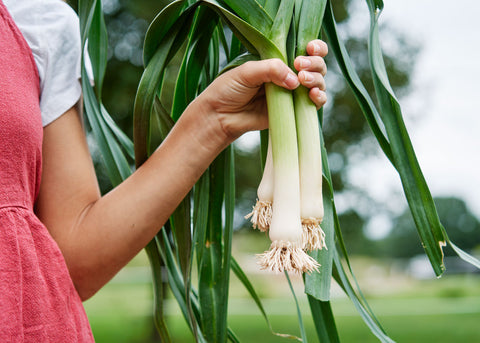
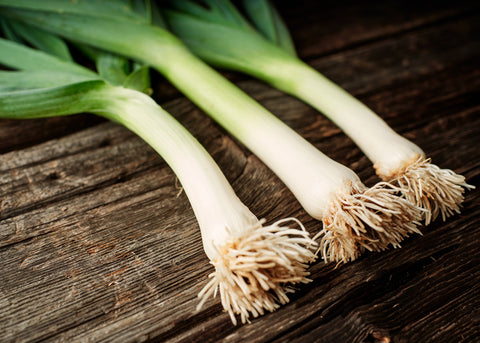
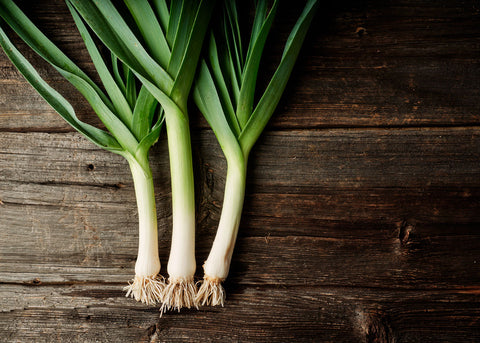
American Flag is an old standard leek grown for tall, sturdy white stems and blue-green leaves that stand upright in the garden. Sometimes associated with the Giant Musselburgh type, it brings a mild onion flavor with a smoother, sweeter character than storage onions.
Leeks take their time, but the harvest is worth waiting for: long pale shanks for soups, roasts, gratins, stocks, and cool-season meals. American Flag has the patient usefulness of a traditional kitchen garden crop—quiet in the row, rich in the pot.
Scientific name: Allium ampeloprasum
Life cycle: Biennial, typically grown as an annual
Days to maturity: 80-120 days from sowing
Harvest type: Long white shank
Every order is packed with care by our small team in Pennsylvania and typically ships within 2–3 business days—often by the next business day. We ship throughout the United States using USPS and UPS.
Unopened items may be returned within 30 days of delivery. If an order arrives damaged, incomplete, or incorrect, please contact us so we can make it right.
We stand behind every packet we sell. Our seeds are carefully selected, tested for germination, untreated, and guaranteed to be true to variety.
Your seeds are covered for one year from the date of purchase. If they fail to germinate under reasonable growing conditions, arrive damaged, or do not grow true to type, contact us and we’ll make it right with a replacement, store credit, or refund.
FAMILY OWNED
Hand packed in Pennsylvania by our family.
LAB TESTED
Third-party tested for reliable germination.
NON-GMO
Open-pollinated varieties for home gardens & seed saving.
UNTREATED SEED
Never coated with chemical seed treatments.
Leek Growing Basics

Leeks have been cultivated for centuries across Europe and the Mediterranean, valued for their mild onion flavor and their ability to stand in the garden well into cool weather. Their long white shafts and blue-green leaves develop slowly, making them a steady crop rather than a quick one.
Leeks are grown from seed and usually transplanted after several weeks of indoor growth. They prefer fertile soil, consistent moisture, and a long season in which to build thick, tender stems. With careful spacing and gradual blanching, they become one of the garden’s most dependable crops for autumn and winter cooking.
Start leeks indoors about 8–12 weeks before the expected last spring frost. They germinate readily but grow slowly at first, so an early start gives plants enough time to develop before transplanting.
Set hardened seedlings outdoors in early to mid-spring once the soil can be worked and severe cold has passed. Leeks tolerate cool weather and can remain in the garden through light frost. For autumn and winter harvests, choose varieties with enough time to mature before the ground freezes.
Sow seeds about ¼ inch deep in trays, cells, or shallow containers filled with moist seed-starting mix. Keep the soil evenly moist until seedlings emerge, usually within one to two weeks.
Provide strong light and trim the tops lightly if seedlings become long and floppy, leaving several inches of green growth. When plants are about pencil-thin and well rooted, harden them gradually before transplanting.
Set seedlings into holes or narrow trenches about 6 inches deep, spacing plants 4–6 inches apart in rows about 18 inches apart. Leave the holes partly open at first so rainfall and watering can gradually settle soil around the stems.
Choose a site in full sun with loose, fertile, well-drained soil enriched with finished compost. Leeks have shallow roots and grow best when moisture remains steady throughout the season.
Water deeply during dry weather and mulch to hold moisture, limit weeds, and protect soil structure. Keep the bed weeded carefully, since leeks compete poorly with aggressive growth.
To produce longer white shafts, gradually draw loose soil around the stems as the plants grow, or use a deep planting trench that fills naturally over time. Keep soil out of the leaf centers, where it can collect and become difficult to wash away.
Harvest leeks whenever the shafts reach a useful size, usually when they are about 1 inch thick or larger. Younger leeks are tender and mild, while mature plants develop broader stems and a deeper flavor.
Loosen the soil with a garden fork before lifting to avoid breaking the shafts. Trim the roots and damaged leaf tips after harvest, then wash carefully between the leaf layers. Cold-tolerant varieties may be left in the ground and harvested as needed until the soil freezes.


