
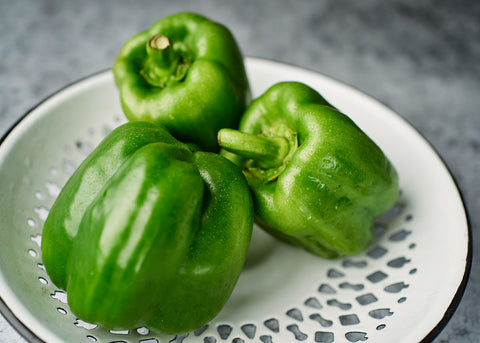


Emerald Giant - Organic Sweet Pepper Seeds
🚚 FREE SHIPPING for all orders over $79!
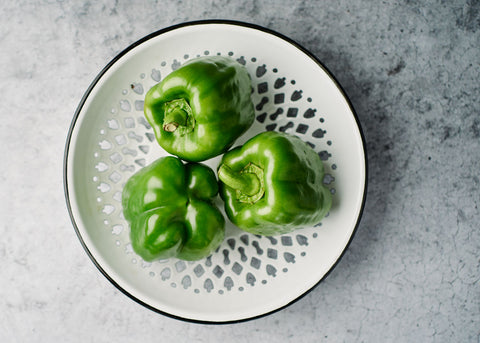
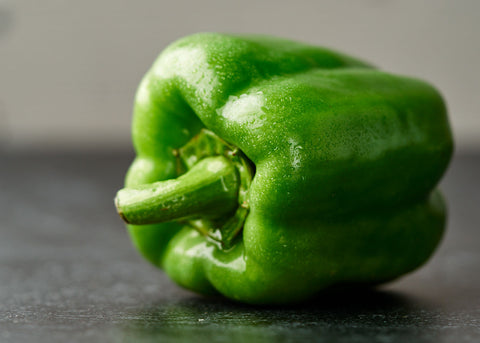
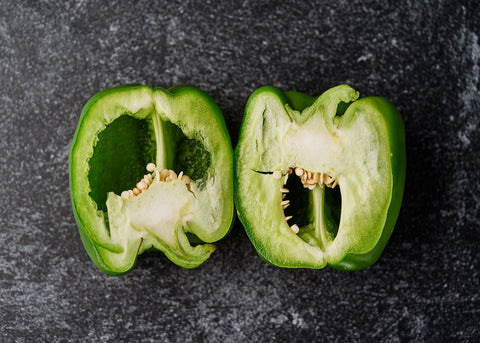
Emerald Giant is a classic bell pepper with large, blocky fruits, thick walls, and a deep green color that ripens red if left on the plant. Introduced in the mid-20th century, it became known for size, productivity, and the satisfying crunch gardeners want from a sweet pepper.
The fruits are broad-shouldered and practical for stuffing, slicing, roasting, and fresh garden plates. Strong plants appreciate warmth, steady moisture, and a little patience, then reward the wait with peppers that feel substantial in the hand and useful in nearly every summer meal.
Scientific name: Capsicum annuum
Life cycle: Annual
Days to maturity: 72-80 from transplants, 100-120 from seed days from transplant
Plant height: 26-30"
Every order is packed with care by our small team in Pennsylvania and typically ships within 2–3 business days—often by the next business day. We ship throughout the United States using USPS and UPS.
Unopened items may be returned within 30 days of delivery. If an order arrives damaged, incomplete, or incorrect, please contact us so we can make it right.
We stand behind every packet we sell. Our seeds are carefully selected, tested for germination, untreated, and guaranteed to be true to variety.
Your seeds are covered for one year from the date of purchase. If they fail to germinate under reasonable growing conditions, arrive damaged, or do not grow true to type, contact us and we’ll make it right with a replacement, store credit, or refund.
FAMILY OWNED
Hand packed in Pennsylvania by our family.
LAB TESTED
Third-party tested for reliable germination.
NON-GMO
Open-pollinated varieties for home gardens & seed saving.
UNTREATED SEED
Never coated with chemical seed treatments.
Pepper Growing Basics

Peppers are native to the Americas, where Indigenous peoples cultivated several Capsicum species long before the crops traveled across the Atlantic and transformed cuisines around the world. Their remarkable range now stretches from sweet, thick-walled bells to small fruits carrying intense heat.
Peppers are warmth-loving plants that need a long season, strong light, and consistently warm soil. Start seeds indoors, transplant after frost danger and cold nights have passed, and harvest green or allow fruits to ripen into their mature color for fuller sweetness, flavor, and heat.
Start pepper seeds indoors about 8–10 weeks before the expected last spring frost. Particularly slow-growing hot peppers may benefit from being started 10–12 weeks before transplanting.
Move plants into the garden only after frost danger has passed, the soil has warmed to at least about 60°F, and nighttime temperatures are consistently above 50°F. Peppers grow slowly in cold conditions, so planting early into chilly soil rarely provides an advantage.
Sow seeds about ¼ inch deep in moist seed-starting mix. Pepper seeds germinate best with steady warmth, and a heat mat is strongly recommended. It can greatly improve germination speed, consistency, and overall success, especially for hot peppers and in cool indoor spaces.
Maintain the growing mix at approximately 75–85°F until seedlings emerge. Check moisture often, since trays over a heat mat can dry more quickly.
After germination, remove the heat mat and provide strong overhead light to encourage compact growth. Pot seedlings into larger containers once they begin outgrowing their cells.
Harden plants off gradually for 7–10 days before transplanting. Space most peppers about 18–24 inches apart, with 24–30 inches between rows or enough room for airflow and harvesting.
Plant peppers in full sun and fertile, well-drained soil. Unlike tomatoes, pepper stems should generally be transplanted at approximately the same depth at which they were growing in their containers.
Water deeply and consistently, particularly during flowering and fruit development. Repeated swings between very dry and very wet soil can contribute to blossom-end rot, fruit cracking, and poor production. Mulch after the soil has warmed to conserve moisture and reduce weed growth.
Large-fruited or heavily loaded plants may benefit from a stake or small cage. Avoid excessive nitrogen fertilizer, which can produce abundant foliage while delaying flowers and fruit.
Peppers may be harvested at the immature green stage or left on the plant to develop their mature color. Fully ripened peppers are often sweeter, fruitier, and sometimes hotter than immature fruit, although allowing every pepper to ripen completely can slow the production of additional fruit.
Cut peppers from the plant with scissors or pruners, leaving a short piece of stem attached. Pulling can break branches, especially when plants are heavily loaded.
Wear gloves when harvesting or preparing very hot varieties, and avoid touching your eyes or face. Harvest remaining usable fruit before the first hard frost.
Bell peppers I ordered did not grow but tomatoes are ok
A few seeds were the same with different labeled packaging. Shipping was fast and ever seed popped except for the same seeds in a few different packages
Thank you for your feedback. We're glad to hear that shipping was fast and that seed germination was high. We apologize for any confusion caused with packaging. We will follow up with you via email promptly to address your concerns and ensure your satisfaction. Please feel free to reach out if you have any further questions.


