Chocolate Cherry - Sunflower Seeds

SKU: FSU106
Open-Pollinated
Price:$3.95
Choose size

🚚 FREE SHIPPING for all orders over $79!

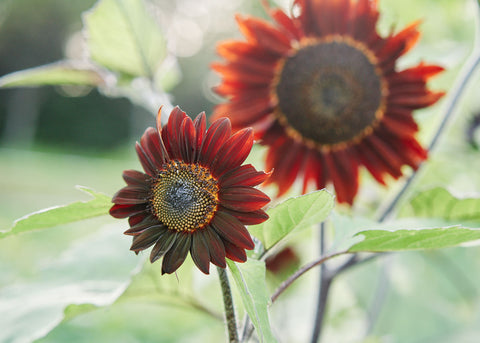
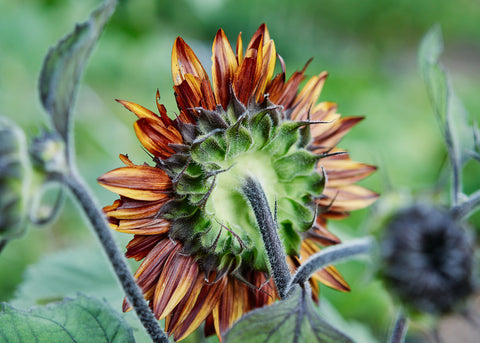
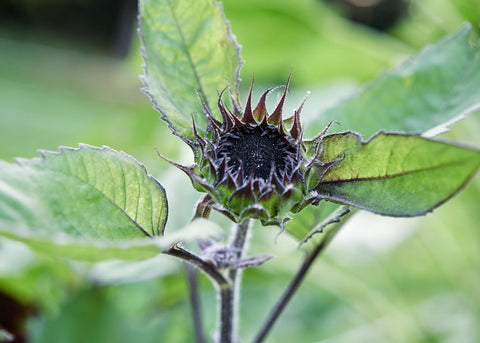
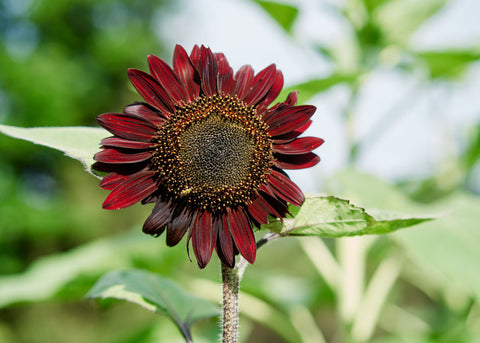
Chocolate Cherry sunflower brings deep burgundy-red petals around dark centers, creating moody, velvety blooms that look rich against green leaves and golden summer light. The branching plants produce multiple flowers, giving the garden a steady supply of dramatic stems without needing a whole field.

Use them in bouquets where you want depth, contrast, and that dusky late-season color that makes lighter flowers glow. Pollinators visit the blooms readily, and the plants stand beautifully in borders, cutting gardens, and fall-inspired plantings.

Scientific name: Helianthus annuss
Life cycle: Annual
Days to bloom: 80-90 days from sowing
Plant height: 5-6'
Growth habit: Branching

Every order is packed with care by our small team in Pennsylvania and typically ships within 2–3 business days—often by the next business day. We ship throughout the United States using USPS and UPS.

Unopened items may be returned within 30 days of delivery. If an order arrives damaged, incomplete, or incorrect, please contact us so we can make it right.

View Shipping Policy

We stand behind every packet we sell. Our seeds are carefully selected, tested for germination, untreated, and guaranteed to be true to variety.

Your seeds are covered for one year from the date of purchase. If they fail to germinate under reasonable growing conditions, arrive damaged, or do not grow true to type, contact us and we’ll make it right with a replacement, store credit, or refund.

View Refund, Return & Guarantee Policy

Previous
Next

FAMILY OWNED

Hand packed in Pennsylvania by our family.

LAB TESTED

Third-party tested for reliable germination.

NON-GMO

Open-pollinated varieties for home gardens & seed saving.

UNTREATED SEED

Never coated with chemical seed treatments.

Sunflower Growing Basics

Sunflowers have become one of the world’s most recognizable garden flowers, producing cheerful blooms that follow the summer sun and provide food for pollinators, birds, and people alike. Native to North America, they have been cultivated for thousands of years for their beauty, edible seeds, and agricultural importance.

Today’s sunflowers range from towering single-stem giants to branching varieties that produce dozens of blooms over many weeks. Whether planted for cut flowers, pollinator gardens, edible seed, wildlife habitat, or simply a striking display of summer color, sunflowers are among the easiest and most rewarding flowers to grow from seed.

Direct sow sunflowers after all danger of frost has passed and the soil has warmed. Their vigorous growth and deep root systems make direct sowing the preferred method for most varieties.

Successive sowings every two to three weeks through early summer provide continuous blooms for bouquets, pollinators, and extended harvests. In regions with long growing seasons, later sowings can still produce flowers before frost.

Sow seeds ½–1 inch deep in well-prepared soil and keep evenly moist until seedlings emerge, usually within one to two weeks under warm conditions.

Because sunflowers develop strong taproots, they establish best when direct sown. Space plants according to the mature variety, with branching types generally requiring more room than single-stem varieties. Protect newly emerged seedlings where birds or wildlife are a concern.

Plant sunflowers in full sun and fertile, well-drained soil. They thrive in warm weather and benefit from consistent moisture while establishing, though mature plants tolerate short periods of drought.

Tall varieties may require staking or support in exposed locations with strong winds. Avoid excessive nitrogen fertilizer, which encourages leafy growth and weaker stems.

Sunflowers are among the best flowers for supporting pollinators, attracting native bees, honeybees, butterflies, and many beneficial insects throughout bloom. As seed heads mature, they become an important food source for birds and other wildlife.

For cut flowers, harvest when the petals have just begun lifting away from the center but before the flower is fully open. Branching varieties continue producing additional blooms throughout the season when harvested regularly.

For decorative seed heads or edible seed, allow the flower heads to mature fully on the plant until the backs turn yellow to brown and the seeds become firm. Protect ripening heads from birds with mesh bags if seed harvest is planned.