

Gold - Yarrow Seeds

SKU: FYW102
Open-Pollinated
Heirloom
Price:$3.95
Choose size

🚚 FREE SHIPPING for all orders over $79!

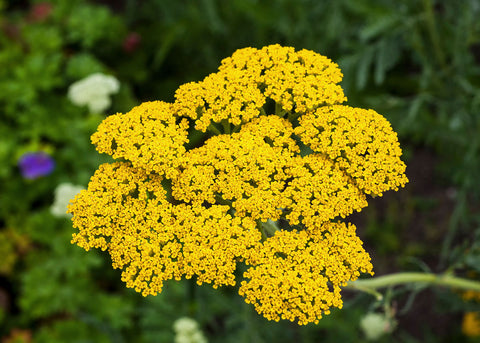
Gold yarrow grows flat-topped clusters of golden yellow flowers above aromatic, fern-like foliage, bringing a sturdy perennial presence to sunny beds and borders. Its bloom shape is a gift in the garden: broad, bright, and easy for pollinators to visit, with a natural look that pairs well with both herbs and flowers.

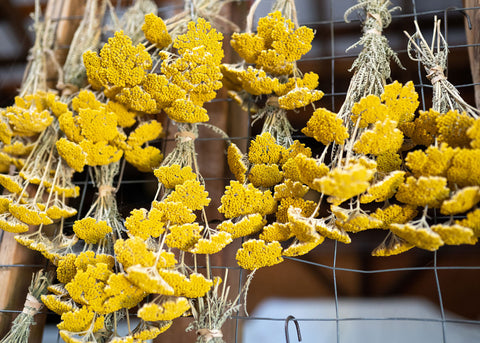
Yarrow has long been grown in traditional herb gardens and dries beautifully for wreaths, arrangements, and everlasting bouquets. Once established, it is tough, useful, and quietly handsome—one of those plants that feels like it has always belonged near the garden gate.

Every order is packed with care by our small team in Pennsylvania and typically ships within 2–3 business days—often by the next business day. We ship throughout the United States using USPS and UPS.

Unopened items may be returned within 30 days of delivery. If an order arrives damaged, incomplete, or incorrect, please contact us so we can make it right.

View Shipping Policy

We stand behind every packet we sell. Our seeds are carefully selected, tested for germination, untreated, and guaranteed to be true to variety.

Your seeds are covered for one year from the date of purchase. If they fail to germinate under reasonable growing conditions, arrive damaged, or do not grow true to type, contact us and we’ll make it right with a replacement, store credit, or refund.
View Refund, Return & Guarantee Policy

Previous
Next

NON-GMO

Open-pollinated varieties for home gardens & seed saving

UNTREATED SEED

Safe seed, free from chemical treatments

HAND PACKED IN PA

Prepared with care by our family and small team

100% SATISFACTION

Third-party lab tested and backed by our guarantee

Growing Guide

Yarrow has been valued for centuries as both an ornamental flower and a useful medicinal herb. Native to much of the Northern Hemisphere, it produces broad, flattened flower clusters held above finely divided, fern-like foliage, creating an easy, natural look in cottage gardens, meadows, and perennial borders.

Its long bloom period, excellent drought tolerance, and ability to attract a wide range of pollinators and beneficial insects make yarrow one of the hardest-working perennial flowers in the garden. It is equally at home in fresh bouquets, dried arrangements, pollinator plantings, and low-maintenance landscapes.

Scientific name: achillea filipendulina
Days to maturity: 90-120
Seed depth: surface-1/8"
Days to sprout: 10-14
Plant spacing: 12-24"
Row spacing: 18-24"
Light requirements: sunny / part shade
Plant height: 36-48"
Life cycle: perennial
Frost hardy: yes

Start seeds indoors about 8–10 weeks before the last expected frost, or direct sow outdoors in spring after the danger of severe frost has passed. Seeds may also be sown in late summer or fall, allowing natural winter conditions to improve germination in many climates.

Yarrow is a perennial, so plants often spend much of their first season developing roots before reaching their full flowering potential in subsequent years.

Yarrow seeds require light for good germination. Sow them on the surface of moist seed-starting mix and press gently into the soil without covering deeply.

Keep the growing medium evenly moist until seedlings emerge. Once established, harden seedlings before transplanting into the garden, spacing plants about 18–24 inches apart to allow good airflow and room for mature growth.

Grow yarrow in full sun and well-drained soil. It performs best in average to lean soils and generally produces stronger stems and heavier flowering when not overfertilized.

Once established, yarrow is highly drought tolerant and requires little supplemental watering except during prolonged dry periods. Deadheading encourages additional blooms, while leaving the final flowers of the season provides winter interest and seed for birds.

Yarrow flowers attract bees, butterflies, hoverflies, parasitic wasps, and many other beneficial insects. The broad flower clusters provide easy landing platforms for pollinators and predatory insects that help support a healthy, diverse garden ecosystem.

Harvest flower stems when most of the individual flowers within each cluster have opened. Fresh stems make excellent bouquet fillers, while flowers intended for drying are best harvested before they reach full maturity.

Bundle small groups of stems and hang them upside down in a warm, dark, well-ventilated location until completely dry to preserve their color and form.

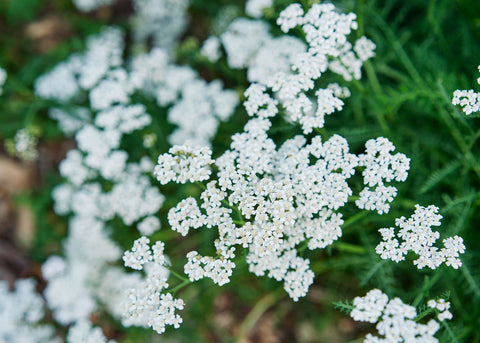
Yarrow has been cultivated for centuries as both a garden flower and a traditional medicinal herb. White yarrow (Achillea millefolium) is the species most commonly associated with historical herbal use, while gold yarrow (Achillea filipendulina) is widely grown for its large flower clusters, sturdy stems, and outstanding performance in perennial borders and cut flower gardens.

Today, both are valued for attracting pollinators, tolerating drought, and producing long-lasting fresh and dried flowers. As with any plant used for culinary or medicinal purposes, proper identification and reliable reference materials are essential.

Yarrow is generally resistant to serious pest problems but may occasionally attract aphids or spittlebugs. Powdery mildew, stem rot, and root diseases are most likely in overly rich soils, crowded plantings, or poorly drained locations.

Provide full sun, avoid excessive fertilization, and divide mature clumps every few years to maintain healthy growth and improve air circulation.

Yarrow is insect-pollinated, and different varieties readily cross with one another. To maintain a variety true to type, isolate different yarrow varieties by approximately ¼ mile when practical.

Allow flower heads to remain on the plant until they turn brown and dry completely. Cut the mature flower clusters before wind disperses the seed, then finish drying indoors if necessary. Rub the dry flower heads gently between your hands over a tray or screen to release the small seeds, separate the chaff, and store the clean, fully dry seed in a cool, dark, dry location.

  • Surface sow seeds since light improves germination.
  • Grow in lean soil for stronger stems and heavier flowering.
  • Deadhead for continued blooms or leave late flowers for birds.
  • Divide mature plants every few years to maintain vigor.
  • Excellent companion plant for attracting beneficial insects.