

Anise - Herb Seeds

SKU: HAE101
Open-Pollinated
Heirloom
Price:$3.95
Choose size

🚚 FREE SHIPPING for all orders over $79!

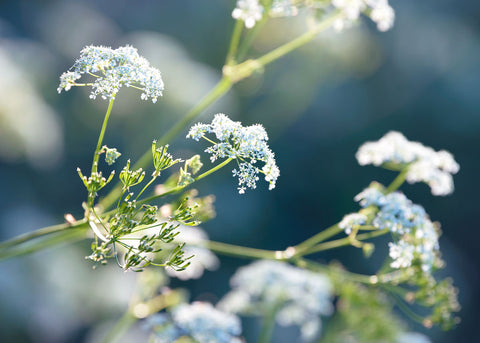
Anise is an old-world annual herb grown for its feathery foliage, delicate white flower umbels, and sweet licorice-scented seed. The seeds have long been used in breads, cookies, teas, candies, and traditional household herb blends, bringing a warm aromatic note that feels both old-fashioned and bright.

Plants are light and graceful in the garden, attracting beneficial insects when in bloom. Let the seed heads ripen and dry on the plant, then gather them for the pantry—a small harvest with a fragrance that fills the room.

Every order is packed with care by our small team in Pennsylvania and typically ships within 2–3 business days—often by the next business day. We ship throughout the United States using USPS and UPS.

Unopened items may be returned within 30 days of delivery. If an order arrives damaged, incomplete, or incorrect, please contact us so we can make it right.

View Shipping Policy

We stand behind every packet we sell. Our seeds are carefully selected, tested for germination, untreated, and guaranteed to be true to variety.

Your seeds are covered for one year from the date of purchase. If they fail to germinate under reasonable growing conditions, arrive damaged, or do not grow true to type, contact us and we’ll make it right with a replacement, store credit, or refund.

View Refund, Return & Guarantee Policy

Previous
Next

NON-GMO

Open-pollinated varieties for home gardens & seed saving

UNTREATED SEED

Safe seed, free from chemical treatments

HAND PACKED IN PA

Prepared with care by our family and small team

100% SATISFACTION

Third-party lab tested and backed by our guarantee

Growing Guide

Anise has been grown around the Mediterranean and Near East for centuries, valued for its sweet, licorice-like seed and delicate umbrella-shaped flowers. Its flavor has found its way into breads, cookies, teas, liqueurs, and old kitchen remedies, giving this quiet annual herb a long place in both gardens and pantries.

In the garden, anise is fine-textured and graceful, with feathery leaves, pale flower clusters, and aromatic seeds that ripen late in the season. It is grown mainly for seed rather than foliage, and it asks for warmth, patience, and a steady season to finish well.

Scientific name: pimpinella anisum
Days to maturity: 120
Seed depth: 1/4"
Days to sprout: 21-28
Plant spacing: 6-10"
Row spacing: 12-18"
Light requirements: sunny
Plant height: 2-3'
Life cycle: annual
Frost hardy: no

Sow anise after the danger of frost has passed and the soil has begun to warm. The plants dislike cold, wet conditions and grow best when started in settled spring weather.

In regions with shorter seasons, anise can be started indoors a few weeks before the last frost, but it does not love root disturbance. If starting indoors, use individual cells or small pots and transplant carefully while plants are still young. Direct sowing is often the simplest approach where the season is long enough.

Sow seeds about ¼ inch deep in prepared garden soil. Keep the seedbed evenly moist until germination, which may take one to two weeks depending on soil temperature and conditions.

Thin seedlings so plants stand about 6–12 inches apart, with enough room for airflow and seed-head development. Choose the final location carefully, since anise forms a taproot and does not transplant as easily once established.

Plant anise in full sun with loose, well-drained soil. It grows best in moderately fertile ground and does not need overly rich conditions. Too much lush growth can come at the expense of strong seed production.

Water regularly while plants are young and becoming established. Once growing well, anise prefers even moisture without sitting in wet soil. Keep the bed weeded early, since young plants are small and can be crowded by faster growth.

As plants mature, they produce delicate umbels of small white flowers that attract bees, hoverflies, and other beneficial insects. In windy sites, taller plants may benefit from light support.

Anise leaves can be clipped lightly while plants are young, but the main harvest is the seed. Allow flower heads to mature until they begin turning gray-green to brown and the seeds become firm and aromatic.

Cut the seed heads before they shatter heavily. Bundle the stems or place the heads in a paper bag, then hang or lay them in a warm, dry, airy place to finish curing. Once fully dry, rub the heads to release the seeds and separate them from the chaff.

Anise seed is strongly aromatic and contains essential oils, especially anethole, which gives the seed its sweet licorice-like flavor. The seeds also provide small amounts of minerals and plant compounds.

Use anise seed in baked goods, tea blends, spice mixtures, fruit dishes, sausages, and traditional sweets. It pairs well with citrus, honey, fennel, coriander, cinnamon, and warm breads. The fresh leaves can be used sparingly as a mild herb, but the seed carries the strongest flavor.

Anise is generally not a difficult herb, but aphids, leaf-feeding caterpillars, and slugs may appear, especially on young plants. Inspect regularly and remove pests or damaged growth as needed.

Good spacing, airflow, crop rotation, and well-drained soil help reduce disease pressure. Avoid overhead watering late in the day and remove old plant debris after harvest to keep the bed clean for the next crop.

Anise is an annual herb grown to seed in one season. It is insect-pollinated and can cross with other flowering anise plants of the same species, though it will not cross with anise hyssop, fennel, dill, or other unrelated herbs.

Save seed from healthy, vigorous plants with good fragrance, strong seed set, and the growth habit you want to continue. Allow the umbels to mature fully on the plant until the seeds are dry and firm, but harvest before too much seed drops.

Finish drying the seed heads under cover, then rub them apart and winnow away the chaff. Store fully dry seed in a labeled container in a cool, dark place.

  • Direct sow when possible to avoid disturbing the taproot.
  • Keep young plants weeded while they are small.
  • Let flowers fully mature for the strongest seed harvest.
  • Harvest seed heads before they shatter in the garden.
  • Do not confuse anise with anise hyssop; they are different plants.