



Love-Lies-Bleeding - Amaranth Seeds
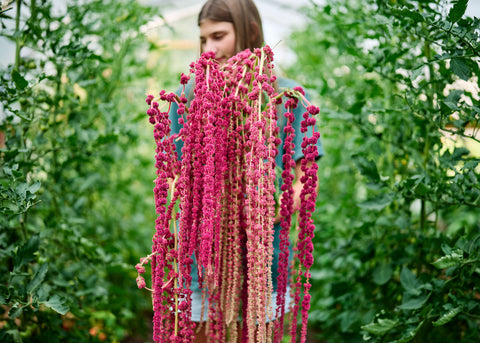
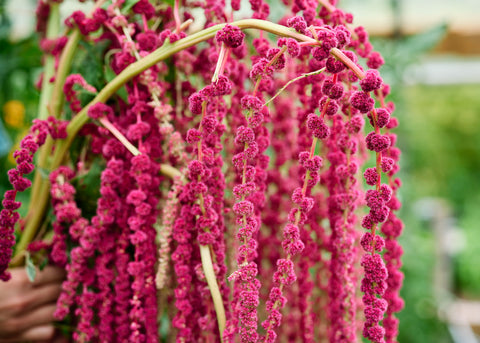
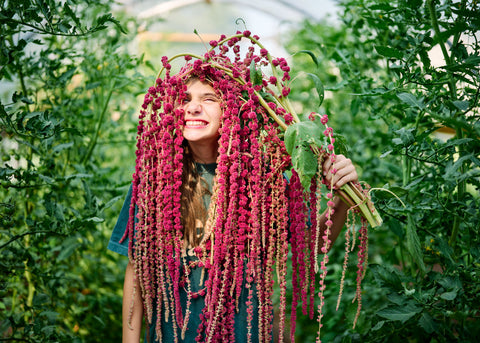
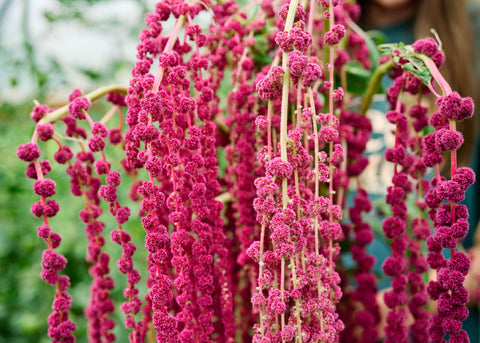
- Long crimson tassels spill like velvet ropes
- Tall annual plants bring movement to late-summer beds
- Cut fresh or dry for dramatic, lasting arrangements
- 90–120 days from sowing
- Amaranthus caudatus
🌱 Sow with Confidence—One-Year Seed Guarantee
Love-Lies-Bleeding amaranth grows tall plants with long, trailing tassels of deep crimson that spill from the stems like velvet ropes. Few annuals bring this much movement and old-world drama to the garden, especially in late summer when the pendulous blooms sway over beds and pathways.
Beautiful fresh or dried, the tassels make unforgettable bouquets and everlasting arrangements. Amaranth is also a traditional edible crop, with young leaves and mature seeds used as food in many cultures, making this variety both ornamental and rooted in practical garden history.
Orders ship from Pennsylvania within 1–2 business days via USPS. Orders $79+ ship free within the contiguous United States.
Unopened items may be returned within 30 days. If something arrives damaged, incomplete, or incorrect, we’ll make it right.
We stand behind every packet. Our seeds are untreated, germination-tested, true to variety, and covered for one year from purchase.
If seeds arrive damaged, fail to germinate under reasonable growing conditions, or do not grow true to type, contact us and we’ll make it right with a replacement, store credit, or refund.
FAMILY OWNED
Hand packed in Pennsylvania by our family.
LAB TESTED
Third-party tested for reliable germination.
NON-GMO
Open-pollinated varieties for home gardens & seed saving.
UNTREATED SEED
Never coated with chemical seed treatments.
Amaranth Growing Basics

Amaranth has been grown in the Americas for thousands of years, valued for its edible leaves, nutritious grain, and tall flower heads filled with seed. Some varieties are grown mainly as vegetables or grain crops, while others are prized for their rich color, sweeping form, and usefulness in fresh or dried flower arrangements.
It is a warm-season plant that grows quickly once the soil heats up. Amaranth prefers full sun, moderate fertility, and enough room to reach its natural size. Depending on the variety, harvest may begin with tender leaves early in the season, continue with stems for cutting, and finish with mature seed heads in late summer or fall.
Sow amaranth after the danger of frost has passed and the soil has warmed. Seedlings are sensitive to cold, and growth is slow in cool conditions.
In short-season areas, start seed indoors about 4–6 weeks before the expected last frost. Transplant only after nights are reliably mild. For a steady harvest of young leaves, sow small batches every few weeks during warm weather.
Amaranth seed is very small. Sow it shallowly, about ⅛ inch deep, and keep the soil evenly moist until seedlings emerge. When direct sowing, mix the seed with fine sand to help spread it more evenly.
Thin young plants according to their purpose. Leaf types can be spaced about 6–12 inches apart for repeated harvests. Tall grain or ornamental varieties need roughly 12–24 inches between plants, depending on their mature size.
When starting indoors, use individual cells or small pots and provide strong light. Harden seedlings gradually before transplanting, taking care not to disturb the roots more than necessary.
Choose a site in full sun with loose, well-drained soil. Work in finished compost before planting, but avoid overly rich conditions that can produce excessive leafy growth and weak stems.
Water regularly while plants are young and becoming established. Mature plants tolerate short dry periods, but steady moisture supports tender leaves, stronger stems, and fuller seed heads. Mulch after the soil has warmed to hold moisture and reduce weed competition.
Thin promptly and keep the bed weeded during early growth. Once established, amaranth grows quickly and shades the soil around it. Tall plants may need support in exposed locations or where heavy seed heads develop.
Harvest tender leaves once plants are well established and have enough growth to recover. Pick individual leaves or cut the upper portion of the plant just above a leaf joint to encourage branching.
For grain, allow the flower heads to mature until they become dry and the seeds release easily when rubbed between the fingers. Cut the heads before heavy shattering begins and place them in a dry, protected area to finish curing.
Thresh the dry heads over a clean sheet or container, then separate the small seed from the chaff by screening and gentle winnowing. Make sure the grain is completely dry before storage.


