
Mary Washington - Asparagus Seeds

Price:$4.65
Open-Pollinated
Heirloom
Quick Facts
  • Beloved perennial heirloom introduced in the early 1900s
  • Tender green spears return each spring once established
  • Allow crowns to build before taking regular harvests
  • 730–1095 days from sowing
  • Asparagus officinalis
Choose size

🌱 Sow with Confidence—One-Year Seed Guarantee

Mary Washington asparagus is a beloved heirloom perennial introduced in the early 1900s and long grown for strong green spears, good flavor, and rust resistance for its time. Once established, plants return year after year, making asparagus one of the true long-view crops of the home garden.

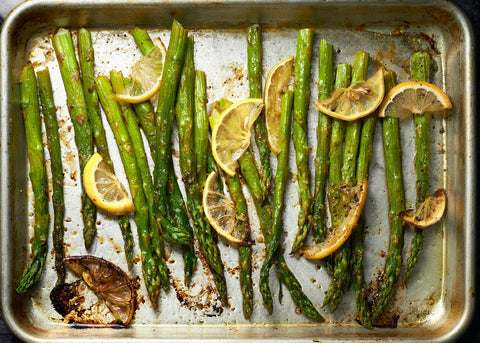
Start from seed with patience, then allow crowns to build before taking regular harvests. The reward is spring spears cut fresh from a permanent bed, tender and clean-flavored, arriving just when the garden is waking up.

Orders ship from Pennsylvania within 1–2 business days via USPS. Orders $79+ ship free within the contiguous United States.

Unopened items may be returned within 30 days. If something arrives damaged, incomplete, or incorrect, we’ll make it right.

View Shipping Policy

We stand behind every packet. Our seeds are untreated, germination-tested, true to variety, and covered for one year from purchase.

If seeds arrive damaged, fail to germinate under reasonable growing conditions, or do not grow true to type, contact us and we’ll make it right with a replacement, store credit, or refund.

View Refund, Return & Guarantee Policy

Previous
Next

FAMILY OWNED

Hand packed in Pennsylvania by our family.

LAB TESTED

Third-party tested for reliable germination.

NON-GMO

Open-pollinated varieties for home gardens & seed saving.

UNTREATED SEED

Never coated with chemical seed treatments.

Asparagus Growing Basics

Asparagus has been cultivated for more than two thousand years, prized for the tender shoots that return each spring from long-lived underground crowns. Once established, a healthy planting can remain productive for many years, making asparagus one of the garden’s most lasting investments.

Unlike annual vegetables, asparagus asks for patience at the beginning. Plants spend their first seasons building deep roots and strong crowns before regular harvest begins. Give them a permanent bed, fertile soil, good drainage, and time to establish, and they will reward that early care with one of the first harvests of spring.

Start asparagus seed indoors about 10–14 weeks before the expected last spring frost, or sow outdoors once the soil has warmed and can be kept evenly moist. Seed-grown plants take longer to reach harvest size than purchased crowns, but they establish well when given steady care.

Transplant seedlings after the danger of severe frost has passed and the plants are sturdy enough to handle. Plant dormant crowns in early spring as soon as the soil can be worked. In mild climates, fall planting may also be possible where crowns have time to root before cold weather arrives.

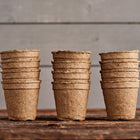
Soak seeds in room-temperature water for several hours before sowing to help soften the seed coat. Plant about ½ inch deep in individual cells or small pots filled with moist seed-starting mix. Keep the soil warm and evenly moist; germination may take two to four weeks.

Provide strong light once seedlings emerge. Grow them on until they are well rooted, then harden them gradually before transplanting. Space plants about 12–18 inches apart in rows 4–5 feet apart.

For crown planting, open a trench roughly 6–8 inches deep. Set crowns on small mounds of soil with the roots spread outward, then cover with a few inches of soil. Fill the trench gradually as the shoots grow until the bed is level.

Choose a permanent site in full sun with deep, well-drained soil. Because asparagus remains in place for many years, prepare the bed thoroughly before planting by removing perennial weeds and working in finished compost.

Keep young plantings evenly moist through their first seasons while the crowns become established. Mulch to conserve moisture, limit weeds, and protect the soil surface. Weed carefully, since asparagus roots are shallow near the crown and can be damaged by deep cultivation.

After harvest ends, allow the shoots to grow into tall, fernlike stems. These ferns feed the crown and build the reserves needed for the following spring. Leave them standing until they yellow naturally, then cut them near the ground after they are fully dormant.

Do not harvest during the first year after planting. Seed-grown plants may need two full seasons of growth before light picking begins. During the first harvest season, gather spears for only a short period, then allow the remaining shoots to fern out.

Cut or snap spears when they are about 6–8 inches tall and before the tips begin to loosen. Harvest every day or two during active growth. Established beds can usually be picked for several weeks each spring, but stop when new spears become noticeably thinner than a pencil.