

Love-In-A-Mist - Nigella Seeds

Price:$3.95
Open-Pollinated
Heirloom
Quick Facts
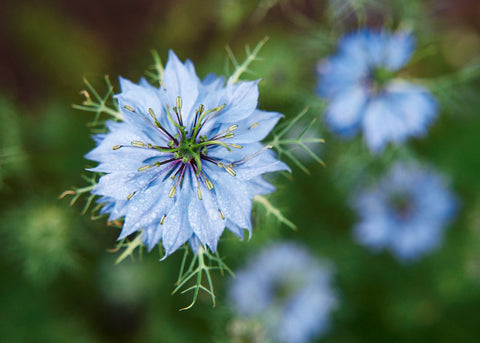
  • Heirloom blue blooms named for garden writer Gertrude Jekyll
  • Airy foliage gives bouquets a soft, cottage-garden feel
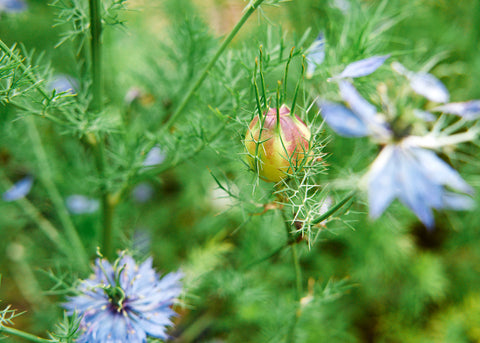
  • Dry the striped seed pods for later arrangements
  • 65–80 days from sowing to bloom
  • Nigella damascena
Choose size

🌱 Sow with Confidence—One-Year Seed Guarantee

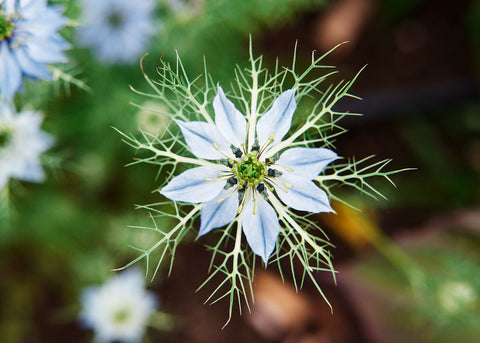
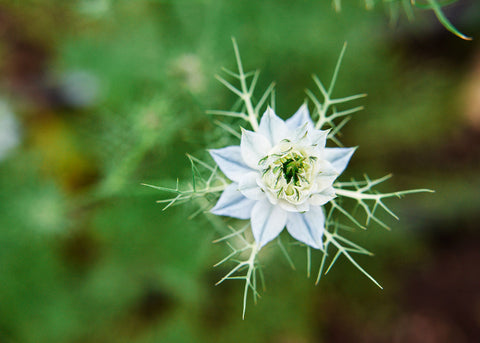
Love-in-a-mist nigella sends soft blue flowers through finely cut foliage, followed by striped seed pods that dry well for arrangements. The combination of airy leaves, delicate blooms, and sculptural pods gives the planting interest after flowering.

Grow this annual in cottage borders, cut flower beds, or informal patches where some self-sowing is welcome. Cut fresh stems for light texture in bouquets or gather mature pods for drying.

Orders ship from Pennsylvania within 1–2 business days via USPS. Orders $79+ ship free within the contiguous United States.

Unopened items may be returned within 30 days. If something arrives damaged, incomplete, or incorrect, we’ll make it right.

View Shipping Policy

We stand behind every packet. Our seeds are untreated, germination-tested, true to variety, and covered for one year from purchase.

If seeds arrive damaged, fail to germinate under reasonable growing conditions, or do not grow true to type, contact us and we’ll make it right with a replacement, store credit, or refund.

View Refund, Return & Guarantee Policy

Previous
Next

FAMILY OWNED

Hand packed in Pennsylvania by our family.

LAB TESTED

Third-party tested for reliable germination.

NON-GMO

Open-pollinated varieties for home gardens & seed saving.

UNTREATED SEED

Never coated with chemical seed treatments.

Nigella Growing Basics

Nigella, commonly called Love-in-a-Mist, is a cool-season annual treasured for delicate flowers, finely divided foliage, and distinctive seed pods. It has long held a place in cottage gardens and cutting rows, where the mist-like greenery softens the planting and the unusual pods remain beautiful long after the flowers fade.

Some varieties produce the familiar rounded, balloon-like pods, while others develop taller stems, more finely shaped flowers, and elongated or horned seed capsules. Across both forms, colors range through blue, white, lavender, pink, and smoky purple. Nigella is especially useful for fresh bouquets, dried arrangements, pollinator plantings, and garden rows that are allowed to reseed naturally.

Direct sow nigella in early spring as soon as the soil can be worked. Because it thrives in cool weather and develops a taproot, direct sowing generally produces the strongest plants.

For earlier blooms, seed can also be sown in late summer or fall in regions with mild winters, allowing plants to overwinter and flower earlier the following spring. Successive sowings every few weeks in spring provide an extended season of flowers and decorative seed pods.

Sow seeds about ⅛–¼ inch deep in prepared soil and keep evenly moist until germination, which usually occurs within 10–14 days under cool conditions.

Nigella dislikes root disturbance, so direct sow whenever possible. Thin seedlings to 6–10 inches apart to allow plants to branch and produce abundant flowers and seed pods.

Plant nigella in full sun to light afternoon shade in fertile, well-drained soil. Cool spring weather encourages the strongest growth and longest flowering period, while excessive summer heat naturally shortens the season.

Water regularly while plants establish, then only during extended dry periods. Avoid excessive fertilizer, which encourages leafy growth at the expense of flowers and seed pod production.

Nigella attracts bees, hoverflies, and other beneficial insects while blending beautifully with larkspur, bachelor’s buttons, poppies, foxgloves, and other cottage garden flowers.

Harvest flowering stems once the first blooms have fully opened. Nigella adds soft texture and a loose, meadow-like quality to fresh bouquets.

For dried arrangements, harvest seed pods once they are fully formed but still green to lightly straw-colored. Rounded and elongated pod types both dry well, though their shapes bring noticeably different textures to bouquets, wreaths, and seasonal arrangements.