
Strawflower Tall Mix Seeds

SKU: FSR103
Open-Pollinated
Heirloom
Price:$3.95
Choose size

🚚 FREE SHIPPING for all orders over $79!

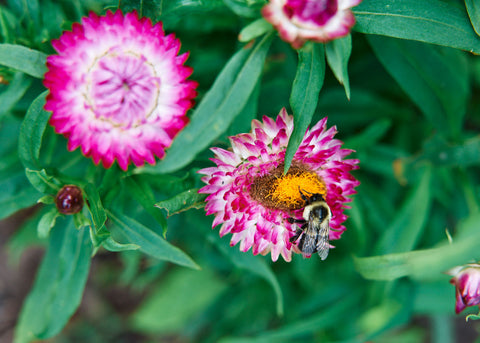
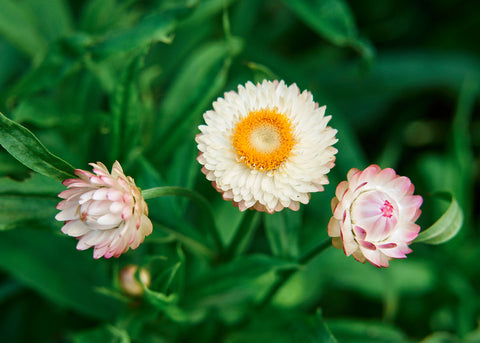
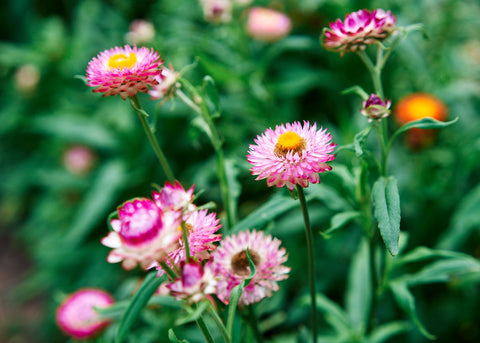
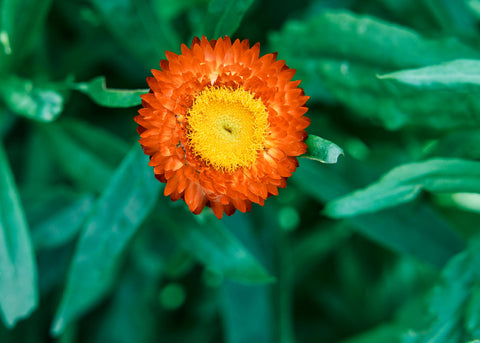
Tall Mix strawflower produces crisp, papery blooms in warm shades of rose, pink, yellow, orange, red, and white. The flowers have a dry, everlasting texture even when fresh, with layered petals that catch the light and hold their color long after summer fades.

Cut stems for fresh bouquets, or harvest just as blooms begin to open and hang them to dry for wreaths, crafts, and winter arrangements. Strawflowers bring color twice: first in the garden, then again months later when most flowers are only a memory.

Every order is packed with care by our small team in Pennsylvania and typically ships within 2–3 business days—often by the next business day. We ship throughout the United States using USPS and UPS.

Unopened items may be returned within 30 days of delivery. If an order arrives damaged, incomplete, or incorrect, please contact us so we can make it right.

View Shipping Policy

We stand behind every packet we sell. Our seeds are carefully selected, tested for germination, untreated, and guaranteed to be true to variety.

Your seeds are covered for one year from the date of purchase. If they fail to germinate under reasonable growing conditions, arrive damaged, or do not grow true to type, contact us and we’ll make it right with a replacement, store credit, or refund.

View Refund, Return & Guarantee Policy

Previous
Next

NON-GMO

Open-pollinated varieties for home gardens & seed saving

UNTREATED SEED

Safe seed, free from chemical treatments

HAND PACKED IN PA

Prepared with care by our family and small team

100% SATISFACTION

Third-party lab tested and backed by our guarantee

Growing Guide

Strawflowers are warm-season annuals known for their crisp, papery blooms and remarkable ability to hold their color and shape after drying. The petals are actually colorful bracts surrounding the central flower, giving each bloom a firm texture that feels almost like paper.

Colors range from white and soft apricot to yellow, orange, pink, red, burgundy, and bronze. Strawflowers bring steady summer color to cutting gardens, pollinator plantings, borders, and containers, but they are especially treasured for everlasting bouquets, wreaths, and dried floral work.

Scientific name: helichrysum bracteatum
Days to maturity: 75-85
Seed depth: surface-1/8"
Days to sprout: 7-10
Plant spacing: 12"
Row spacing: 18-24"
Light requirements: sunny
Plant height: 24-36"
Life cycle: annual
Frost hardy: no

Start strawflowers indoors about 4–6 weeks before the expected last spring frost, or direct sow after frost danger has passed and the soil has warmed. Transplanting is usually the most dependable method, especially where the growing season is short.

A second sowing in early summer can extend the supply of fresh stems and dried flowers into fall where the frost-free season is long enough. Strawflowers tolerate light autumn frost better than many tender annuals, but young spring plants should not be rushed into cold, wet soil.  

Sow the small seeds on the surface of moist seed-starting mix and press them gently into place. Cover only lightly, since light supports germination. Keep the mix warm and evenly moist until seedlings emerge, usually within about 7–10 days under favorable conditions.

Provide strong light and good airflow once seedlings appear. Harden plants gradually before transplanting, spacing most varieties about 10–12 inches apart. Strawflowers can also be direct sown, but the tiny seedlings require careful moisture and weed control while becoming established.

Choose a site with full sun and well-drained soil. Strawflowers grow well in average garden ground and do not need rich fertility; overly lush conditions can produce leafy plants and weaker stems.

Water regularly during establishment, then allow the soil surface to dry slightly between waterings. Once rooted, plants tolerate short dry periods, though steady moisture supports longer stems and continued flower production.

Harvest blooms frequently or remove fading flowers to encourage branching and additional stems. The open centers attract bees, butterflies, and other pollinators, making strawflowers useful among vegetables, herbs, and mixed cutting rows.

For fresh bouquets, cut strawflowers when two or three layers of bracts have opened and the center remains mostly covered. Harvesting too late exposes the center, which may age and darken more quickly.  

For drying, cut on a bright, dry day when only the outer few rows of bracts have begun opening. Strawflowers continue opening after harvest, so stems cut too mature may become overly open and lose their best form. Bundle small groups and hang them upside down in a dark, dry, airy place.

Strawflowers are grown for garden color, pollinator value, fresh bouquets, and long-lasting dried arrangements. Their firm bracts retain color especially well, making them useful in wreaths, garlands, pressed-flower projects, and seasonal crafts.

The flowers combine beautifully with celosia, amaranth, statice, grasses, nigella pods, and other everlasting materials. They are ornamental rather than culinary and should be grown for floral and garden use.

Strawflowers are generally dependable, though aphids, spider mites, caterpillars, or leafhoppers may occasionally appear. Leafhoppers can spread aster yellows, which causes distorted, stunted, or unusually green flowers; affected plants should be removed because they do not recover.

Good spacing, soil-level watering, and well-drained ground help reduce gray mold, leaf spots, and root problems. Gray mold is most common where flowers and foliage remain wet or crowded for long periods.

Strawflowers are insect-pollinated, so different varieties may cross when flowering nearby. Grow one variety for seed or provide isolation when maintaining a particular color or form matters.

Allow selected flower heads to remain until the centers turn brown, dry, and begin producing light, fluffy seed material. Cut the heads before wind scatters the seed, finish drying them under cover, then rub the dry centers over a tray. Separate the small seeds from the papery bracts and fluff before storing them fully dry in a cool, dark place.

  • Start indoors for the earliest and most dependable crop.
  • Harvest before the flower centers are fully exposed.
  • Cut frequently to encourage additional stems.
  • Dry flowers in darkness to preserve their color.
  • Leave a few strong blooms untouched when saving seed.