



Wild Rocket - Organic Arugula Seeds
🚚 FREE SHIPPING for all orders over $79!
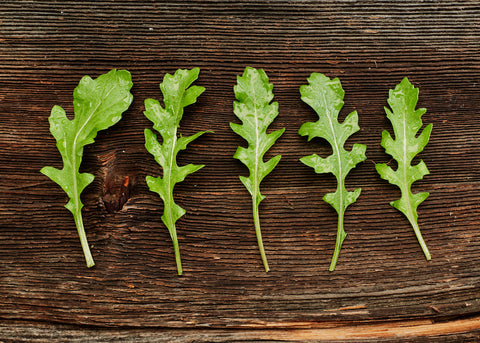
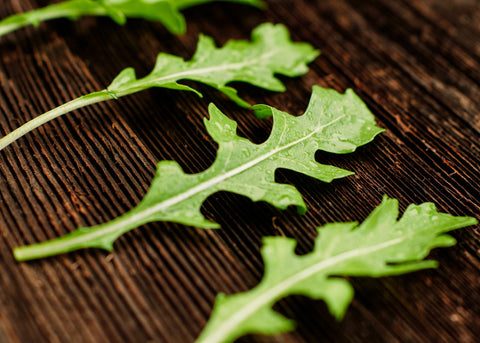
Wild Rocket (Diplotaxis tenuifolia) packs a sharper, nuttier bite than common arugula and returns as a short-lived perennial in many climates. Slender leaves keep their flavor in summer heat better than regular roquette.
A source of glucosinolates and vitamin K, it’s a true salad wake-up and a pizza finisher. Sow in cool weather for quickest growth, cut often, and let a few plants flower—bees love the yellow blooms, and self-sown volunteers will follow. If you like arugula with extra backbone, this is your green.
Every order is packed with care by our small team in Pennsylvania and typically ships within 2–3 business days—often by the next business day. We ship throughout the United States using USPS and UPS.
Unopened items may be returned within 30 days of delivery. If an order arrives damaged, incomplete, or incorrect, please contact us so we can make it right.
We stand behind every packet we sell. Our seeds are carefully selected, tested for germination, untreated, and guaranteed to be true to variety.
Your seeds are covered for one year from the date of purchase. If they fail to germinate under reasonable growing conditions, arrive damaged, or do not grow true to type, contact us and we’ll make it right with a replacement, store credit, or refund.
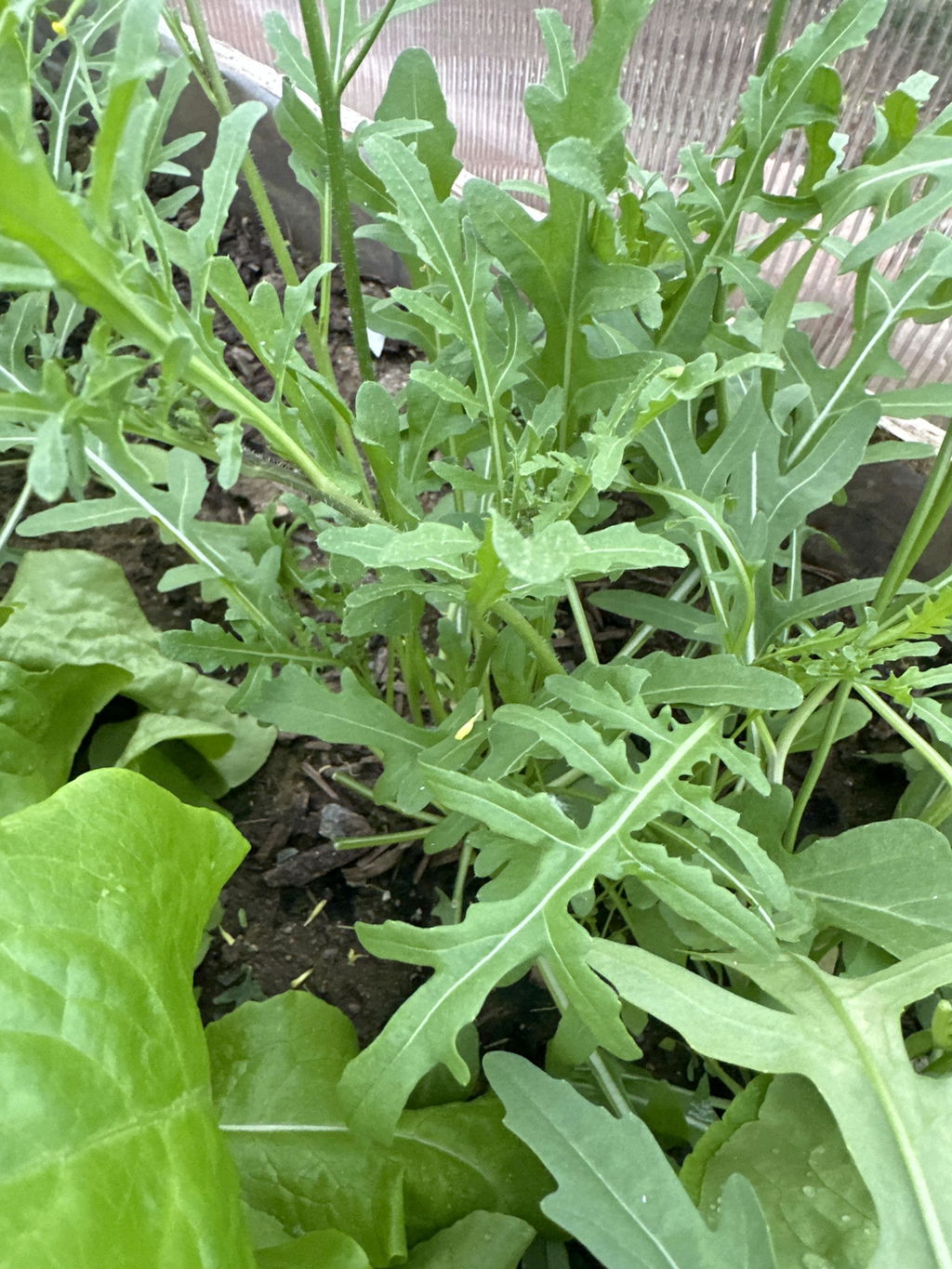
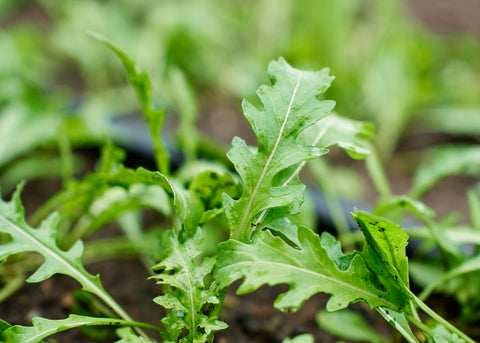
Direct sow from early spring through fall. Wild rocket prefers the cool weather of spring and fall, though it is more heat tolerant than common arugula. Optimum soil temperature for seed germination is 40–70°F. Transplants may be set out 3–4 weeks before your average last frost date. Keep plants evenly watered for the most tender leaves. Make successive sowings every 2–3 weeks for a steady harvest, and sow again in late summer for fall harvest. Flowers are edible, and regular cutting encourages fresh regrowth.
Scientific name: diplotaxis tenuifolia
Days to maturity: 30 baby, 50 full size
Seed depth: 1/8"
Days to sprout: 5-7
Plant spacing: 1-6"
Row spacing: 6"
Light requirements: sunny / partial shade
Plant height: 4-10"
Life cycle: annual
Frost hardy: yes
NON-GMO
Open-pollinated varieties for home gardens & seed saving
UNTREATED SEED
Safe seed, free from chemical treatments
HAND PACKED IN PA
Prepared with care by our family and small team
100% SATISFACTION
Third-party lab tested and backed by our guarantee
Growing Guide

Arugula has long brought a peppery spark to Mediterranean kitchens, but the name is used for two related crops. Common arugula, Eruca vesicaria subsp. sativa, grows quickly, forms broader leaves, and has a milder, more tender flavor. Wild arugula, Diplotaxis tenuifolia, is slower-growing and more deeply lobed, with a sharper taste and a longer harvest season.
Both are cool-season leafy greens, though wild arugula tolerates heat and repeated cutting better than common arugula. Each produces its best leaves in fertile soil, steady moisture, and mild weather, before flowering makes the flavor stronger.
Direct sow arugula about 3–5 weeks before the expected last spring frost, once the soil can be worked. It germinates readily in cool soil and may be ready for baby-leaf harvest in only a few weeks.
Make small sowings every 1–2 weeks while weather remains mild. Sow again in late summer for a fall crop. Warm temperatures and lengthening days encourage bolting and a stronger, more bitter flavor.
Sow seeds about ¼ inch deep and keep the seedbed evenly moist until seedlings emerge. Space plants about 2–3 inches apart for baby leaves or 4–6 inches apart for larger plants.
Arugula is usually best direct sown because it grows quickly and establishes easily. Thin crowded seedlings early, using the extras in salads.
Choose a site with full sun during cool weather. Light afternoon shade can help extend the harvest as temperatures rise.
Grow arugula in loose, well-drained soil enriched with finished compost. Its shallow roots need regular moisture to keep leaves tender and mild. Mulch lightly once plants are established to cool the soil and reduce weeds.
Harvest baby leaves when they reach about 3–4 inches long. Pick the outer leaves and leave the center growing, or cut the whole planting just above soil level for a one-time harvest.
Leaves become stronger and tougher as plants age. Harvest promptly when a flower stalk begins to rise, though the flowers are edible and carry the same peppery flavor.
Arugula provides fiber, folate, calcium, potassium, and vitamins A, C, and K. Like other members of the cabbage family, it contains naturally occurring glucosinolates.
Use the leaves fresh in salads, sandwiches, grain bowls, and pesto, or scatter them over pizza and roasted vegetables just before serving. Mature leaves can also be lightly wilted into pasta, soups, and egg dishes.
Flea beetles are the most common problem and may leave many small holes in young leaves. Protect early sowings with insect netting where they are troublesome and keep plants growing steadily so they can outpace light damage.
Aphids, slugs, and caterpillars may also appear. Crop rotation, clean beds, good airflow, nearby flowers for beneficial insects, and watering near the soil help keep problems in balance.
Arugula is an insect-pollinated annual and may cross with other varieties of the same species. Grow only one flowering variety nearby or provide generous isolation when preserving pure seed.
Choose several healthy, true-to-type plants and allow them to flower and form slender seedpods. When the pods turn tan and begin drying, cut the stalks before they split open.
Finish drying under cover, then thresh, clean, and store the fully dry seed in a labeled container in a cool, dark place.
- Sow small batches for a steady harvest.
- Keep moisture consistent for milder leaves.
- Grow in light shade as spring warms.
- Harvest before plants fully bolt.
- Use the edible flowers as a peppery garnish.
Arugula was slow growing, but once it started it really flourished! Flavor is amazing. Will buy again!
Hi Halie! Thank you for sharing your positive experience with our Wild Rocket Arugula Seeds. We're thrilled to hear that the arugula's delicious flavor made the slow start worthwhile. Just a tip: Arugula thrives in the cooler weather of spring and fall, which might help optimize its growth in your future plantings. We appreciate your support and can't wait to serve you again. Happy gardening!
My arugula seed production was zero. Immediate germination followed by 100% die-off. Was not a cold weather issue. No other seed germination issues in my garden. Very disappointed.
Hi Jeff, sorry to hear you had trouble with our Wild Rocket Arugula. It sounds like there are some environmental conditions that may have impacted the growth of your seedlings if the seed germinated well. Quality is super important to us, which is why all of our seed is professionally tested, ensuring germination rates and purity exceed industry standards. We are always here to help troubleshoot issues you may come upon. We will reach out to see how we can help. Thank you for taking the time to share your experience.


