



Dara - Organic Daucus Seeds

SKU: FDS101
Open-Pollinated
Certified Organic
Price:$4.95
Choose size

🚚 FREE SHIPPING for all orders over $79!

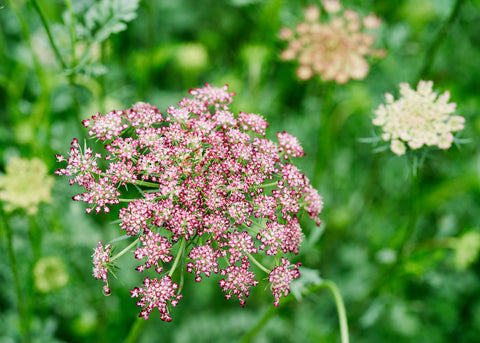
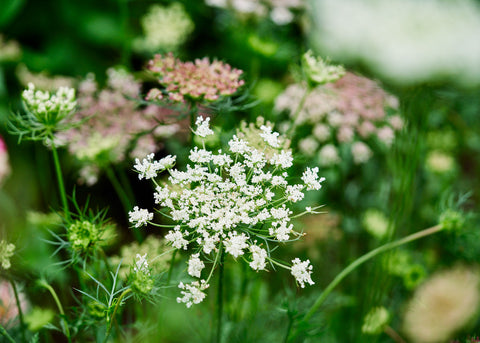
Dara daucus is a refined ornamental carrot grown for lacy, umbrella-shaped flower clusters that open in shades of blush, rose, burgundy, and soft white. Its airy stems bring the look of wild Queen Anne’s lace with richer color and a more cultivated feel, perfect for adding looseness and movement to the flower garden.

Florists prize Dara as a bouquet filler because it softens stronger blooms without stealing the show. In the garden, the flowers attract pollinators and beneficial insects while giving beds that meadow edge—natural, useful, and quietly beautiful.

Every order is packed with care by our small team in Pennsylvania and typically ships within 2–3 business days—often by the next business day. We ship throughout the United States using USPS and UPS.

Unopened items may be returned within 30 days of delivery. If an order arrives damaged, incomplete, or incorrect, please contact us so we can make it right.

View Shipping Policy

We stand behind every packet we sell. Our seeds are carefully selected, tested for germination, untreated, and guaranteed to be true to variety.

Your seeds are covered for one year from the date of purchase. If they fail to germinate under reasonable growing conditions, arrive damaged, or do not grow true to type, contact us and we’ll make it right with a replacement, store credit, or refund.

View Refund, Return & Guarantee Policy

Previous
Next

NON-GMO

Open-pollinated varieties for home gardens & seed saving

UNTREATED SEED

Safe seed, free from chemical treatments

HAND PACKED IN PA

Prepared with care by our family and small team

100% SATISFACTION

Third-party lab tested and backed by our guarantee

Growing Guide

Daucus brings the airy form of Queen Anne’s lace into the cutting garden, with broad, lacy flower umbels held above finely divided foliage. Ornamental varieties range from white and blush to dusty rose, burgundy, and nearly chocolate, adding a loose, meadow-like quality to garden rows and arrangements.

Although Daucus carota is naturally a biennial, ornamental forms are commonly grown as hardy annual cut flowers and can bloom during their first season when started early. Their branching stems weave beautifully among larger flowers, while the open umbels attract bees, hoverflies, parasitic wasps, and other beneficial insects.

Scientific name: daucus carota
Days to maturity: 75-85
Seed depth: 1/8"
Days to sprout: 12-18
Plant spacing: 3-12"
Row spacing: 12-24"
Light requirements: sunny
Plant height: 15-20"
Life cycle: annual
Frost hardy: no

Direct sow Daucus in early spring as soon as the soil can be worked, or start indoors about 6–8 weeks before the expected last frost. Young plants tolerate cool weather and establish best before strong summer heat arrives.

For a longer cutting season, make another sowing a few weeks later. In mild climates, Daucus can also be sown in late summer or fall for overwintering plants and earlier flowers the following spring.

Sow seeds about ¼ inch deep in prepared soil or seed-starting mix. Keep evenly moist until germination, which may take two to three weeks.

Daucus develops a taproot and generally prefers direct sowing. If starting indoors, use individual cells and transplant while seedlings are still young, disturbing the roots as little as possible. Space plants about 8–12 inches apart for strong, branching stems.

Choose a site with full sun and loose, well-drained soil. Daucus performs well in average garden ground and usually does not need heavy feeding, which can lead to excessive foliage and weaker stems.

Water regularly while seedlings establish, then provide moisture during extended dry periods. Tall plants may benefit from light support or netting in exposed cutting rows.

The lacy flowers are especially valuable near vegetable beds and orchards because they attract bees, hoverflies, parasitic wasps, lacewings, and other beneficial insects. Pair Daucus with zinnias, celosia, cosmos, snapdragons, or rudbeckia for both pollinator value and varied bouquet texture.

Cut stems when most of the tiny flowers in an umbel have opened but before the flower head begins curling inward and forming seed. Harvest during the cool part of the day and place stems in water promptly.

Daucus is especially useful as a bouquet filler, adding airy structure without overwhelming focal flowers. Its branching stems work well in fresh garden arrangements, wedding flowers, meadow-style bouquets, and dried designs.

Ornamental Daucus is grown chiefly for cutting, pollinator support, and its soft architectural form in the garden. Although it belongs to the same species as cultivated carrot, ornamental varieties are selected for their flowers rather than sweet, tender roots.

Use the umbels as fillers and textural accents with larger blooms. The flowers add depth and movement to arrangements, while later seed heads can bring a more sculptural look to dried floral work.

Aphids, leafhoppers, caterpillars, and carrot-family insects may occasionally feed on the foliage or flowers. Inspect young plants regularly and remove heavily damaged growth when needed.

Good spacing, crop rotation, clean beds, and soil-level watering help reduce leaf spots and root problems. Avoid repeatedly planting Daucus where carrots, parsley, dill, fennel, or related crops have recently grown.

Daucus is insect-pollinated and will cross with other flowering varieties of Daucus carota, including garden carrots and wild Queen Anne’s lace. To keep a variety true to type, grow one Daucus variety for seed and avoid nearby flowering carrots or wild carrot.

Allow the umbels to turn brown, dry, and curl inward into their familiar “bird’s-nest” shape. Cut the heads before the seeds begin scattering, finish drying them under cover, then rub the umbels apart and screen away the chaff.

  • Direct sow when possible to protect the taproot.
  • Start early for first-season flowers.
  • Make another sowing for a longer cutting window.
  • Support tall plants in windy locations.
  • Harvest before umbels begin forming seed.