Contender - Organic Bush Bean Seeds

Open-Pollinated
Certified Organic
Heirloom
Price:$4.95

Text block

Choose size

🌱 Sow with Confidence—One-Year Seed Guarantee

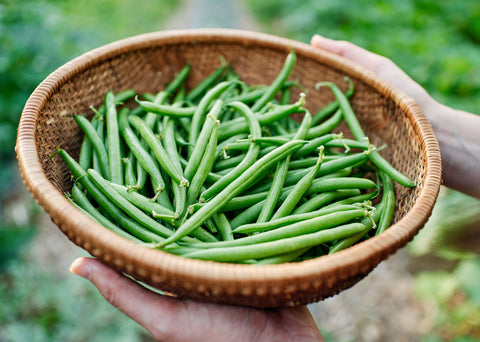
Contender is a classic bush bean introduced in the mid-20th century, valued for early harvests, strong production, and dependable garden performance. The plants set medium-green pods with tender texture and familiar snap-bean flavor, even in less-than-perfect conditions.

Pick often for fresh eating, canning, freezing, and summer meals. Contender is a practical, steady bean for beginners and experienced gardeners alike—the kind of variety that fills bowls without asking for much attention.

Orders ship from Pennsylvania within 1–2 business days via USPS. Orders $79+ ship free within the contiguous United States.

Unopened items may be returned within 30 days. If something arrives damaged, incomplete, or incorrect, we’ll make it right.

View Shipping Policy

We stand behind every packet. Our seeds are untreated, germination-tested, true to variety, and covered for one year from purchase.

If seeds arrive damaged, fail to germinate under reasonable growing conditions, or do not grow true to type, contact us and we’ll make it right with a replacement, store credit, or refund.

View Refund, Return & Guarantee Policy

Previous
Next

FAMILY OWNED

Hand packed in Pennsylvania by our family.

LAB TESTED

Third-party tested for reliable germination.

NON-GMO

Open-pollinated varieties for home gardens & seed saving.

UNTREATED SEED

Never coated with chemical seed treatments.

Bean Growing Basics

Beans have been cultivated in the Americas for thousands of years, with common beans shaped by Indigenous growers in both Mesoamerica and the Andes before spreading into kitchens and gardens around the world. Today they are grown as compact bush plants or climbing vines, with varieties for crisp snap pods, tender shelling beans, and fully mature dry beans.

Direct sow beans into warm soil, give climbing varieties sturdy support from the beginning, and keep plants evenly watered as they flower and form pods. Pick snap beans often to keep plants producing, while shelling and dry beans are left on the vine longer to develop their full size and flavor.

Sow most beans outdoors after frost danger has passed and the soil has warmed to at least 60°F. Cold, wet soil slows germination and can cause seeds to rot before seedlings emerge.

For a longer snap-bean harvest, sow small plantings of bush beans every 2–3 weeks while enough frost-free time remains for the variety to mature. Pole beans usually produce over a longer period and often need only one main planting.

Direct sow seeds about 1 inch deep in heavy or moisture-retentive soil and up to 1½ inches deep in lighter, sandy soil. Space bush beans about 3–4 inches apart and pole beans about 4–6 inches apart, following the packet when a variety needs more room.

Beans generally grow best when direct sown because their roots do not benefit from transplanting. Where the growing season is short, start seeds in individual biodegradable pots about 2–3 weeks before planting out. Handle the roots gently and transplant only after the soil has warmed.

Install poles, trellises, netting, or other supports when climbing beans are sown so the roots are not disturbed later. Keep the seedbed evenly moist until seedlings emerge, but avoid saturated soil.

Choose a site with at least 6–8 hours of direct sun and loose, well-drained soil. Beans form a partnership with nitrogen-fixing bacteria on their roots, so heavy nitrogen feeding is usually unnecessary. Too much nitrogen can encourage lush leaves while delaying flowers and pods.

Water deeply at soil level, especially from flowering through pod development. Aim for consistent moisture rather than allowing the soil to swing between very dry and saturated. Mulch after the soil has warmed to conserve moisture, suppress weeds, and reduce soil splashing onto the foliage.

Beans are shallow-rooted, so weed carefully and avoid deep cultivation close to the plants. Do not cultivate, handle, or harvest plants while the foliage is wet, since moisture can help spread bacterial and fungal diseases.

Harvest snap beans while the pods are firm, crisp, and well formed but before the seeds inside become noticeably swollen. Pick every few days during peak production. Pods left to mature signal the plant to slow flowering and can reduce later harvests.

Hold the stem with one hand while removing pods with the other to avoid breaking tender branches. Bush beans often produce one concentrated harvest followed by a smaller second crop, while pole beans usually provide smaller harvests over a longer season.

For fresh shelling beans, harvest when the pods are plump and the seeds inside are fully sized but still tender. For dry beans, allow the pods to become papery and the seeds hard. If wet weather threatens, gather nearly dry pods and finish drying them under cover with good airflow.