

Chives Seeds

SKU: HCS101-GP01
Open-Pollinated
Heirloom
Price:$11.95
Choose size

🚚 FREE SHIPPING for all orders over $79!

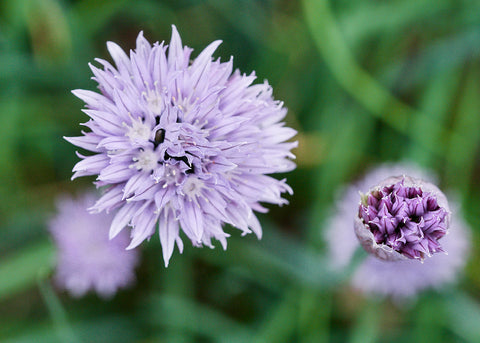
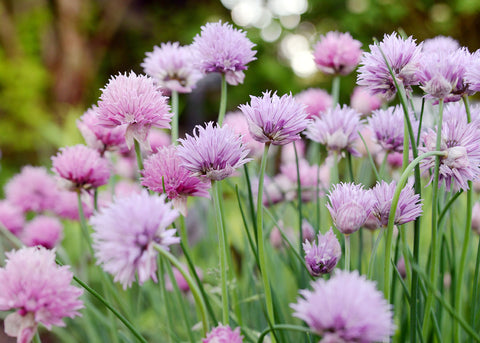
Common chives grow tidy clumps of hollow green leaves with a mild onion flavor and round purple blossoms in late spring. This hardy perennial is one of the easiest kitchen herbs to keep close, returning year after year with fresh shoots just when the garden begins waking up.

Snip leaves over eggs, potatoes, soups, salads, and soft cheeses, or use the edible flowers as a bright oniony garnish. Chives fit beautifully in borders, containers, and herb beds, where bees love the blooms as much as cooks love the leaves.

Every order is packed with care by our small team in Pennsylvania and typically ships within 2–3 business days—often by the next business day. We ship throughout the United States using USPS and UPS.

Unopened items may be returned within 30 days of delivery. If an order arrives damaged, incomplete, or incorrect, please contact us so we can make it right.

View Shipping Policy

We stand behind every packet we sell. Our seeds are carefully selected, tested for germination, untreated, and guaranteed to be true to variety.

Your seeds are covered for one year from the date of purchase. If they fail to germinate under reasonable growing conditions, arrive damaged, or do not grow true to type, contact us and we’ll make it right with a replacement, store credit, or refund.
View Refund, Return & Guarantee Policy

Previous
Next

NON-GMO

Open-pollinated varieties for home gardens & seed saving

UNTREATED SEED

Safe seed, free from chemical treatments

HAND PACKED IN PA

Prepared with care by our family and small team

100% SATISFACTION

Third-party lab tested and backed by our guarantee

Growing Guide

Chives are one of the easiest perennial herbs to welcome into the garden, grown for their slender onion-flavored leaves and round purple flowers that appear in late spring or early summer. Long used in kitchen gardens across Europe and Asia, they bring a mild allium flavor without the sharpness of full-sized onions.

In the garden, chives form tidy clumps that return year after year where conditions suit them. They are useful near kitchen doors, in herb beds, borders, containers, and pollinator plantings. Harvest the leaves for fresh cooking, let a few flowers open for bees, and divide established clumps when they become crowded.

Scientific name: allium schoenoprasum
Days to maturity: 60
Seed depth: 1/8"
Days to sprout: 7-14
Plant spacing: 6-8"
Row spacing: 12-18"
Light requirements: sunny / partial shade
Plant height: 12-18"
Life cycle: perennial
Frost hardy: yes

Start chives indoors about 6–8 weeks before the expected last spring frost, or direct sow outdoors in spring once the soil can be worked. Chives are cold hardy once established, but seedlings grow slowly at first and benefit from steady early care.

Transplant young plants outdoors in spring after they are well rooted. In mild climates, chives may also be planted in fall with enough time to establish before winter.

Sow seeds about ¼ inch deep in moist seed-starting mix or prepared garden soil. Keep evenly moist until germination, which may take one to three weeks.

For indoor starting, sow several seeds per cell or small pot to create a small clump. Transplant clumps rather than trying to separate every individual seedling. Space plants about 8–12 inches apart in garden beds, or grow them in containers near the kitchen for easy harvest.

Choose a site with full sun to light partial shade and well-drained soil. Chives grow well in average garden soil, though compost worked in before planting supports steady, tender leaf growth.

Water regularly while plants are becoming established. Mature clumps are fairly adaptable, but steady moisture produces better leaves. Cut plants back after flowering if the foliage becomes coarse or tired.

Established chive clumps can be divided every few years in spring or fall. Lift the clump, separate it into smaller sections, and replant with room to grow.

Begin harvesting once plants are established and have enough leaf growth to recover. Cut leaves near the base with scissors, taking only part of the clump at a time.

Fresh chives have the best flavor and texture when used soon after cutting. Add them near the end of cooking or use them raw so their mild onion flavor stays bright. Flowers can also be harvested when newly opened and separated into florets for salads, herb butters, vinegars, and garnishes.

Chives provide vitamin K, vitamin C, folate, small amounts of minerals, and naturally occurring sulfur compounds found in allium crops. Their edible flowers also bring color and a mild onion flavor to the table.

Use chives in eggs, potatoes, soups, salads, dressings, soft cheeses, compound butters, roasted vegetables, and fresh herb mixtures. The leaves are best used fresh, though they can be frozen for later cooking.

Chives are generally low trouble, though thrips, onion maggots, aphids, or slugs may appear in some gardens. Inspect young growth occasionally and remove damaged leaves when needed.

Good spacing, airflow, crop rotation, and soil-level watering help reduce rust, leaf spots, and bulb or crown rots. Avoid planting chives in low, wet ground, especially where they will remain through winter.

Chives are perennial, insect-pollinated alliums. They can cross with other flowering chive varieties of the same species, but they do not cross with common onions, garlic, or garlic chives.

Select healthy, vigorous clumps with strong flavor, good leaf production, and tidy growth. Allow some flower heads to remain on the plant until they dry and the small black seeds mature.

Cut dry flower heads before seed begins to scatter heavily. Finish drying them under cover in a warm, airy place, then rub the heads apart to release the seed. Remove chaff and store fully dry seed in a labeled container in a cool, dark place.

  • Sow several seeds together to form a small clump.
  • Harvest with scissors rather than pulling leaves.
  • Let some flowers bloom for bees and edible garnishes.
  • Divide crowded clumps every few years.
  • Grow a pot near the kitchen for quick fresh harvests.