



Nantes Scarlet - Organic Carrot Seeds
🚚 FREE SHIPPING for all orders over $79!
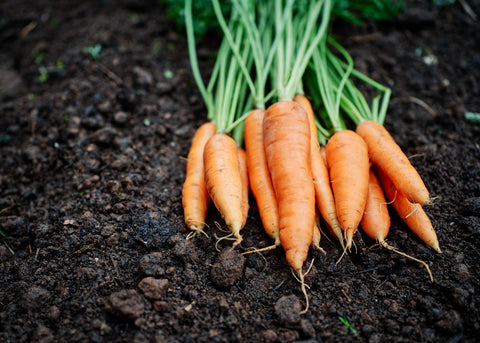
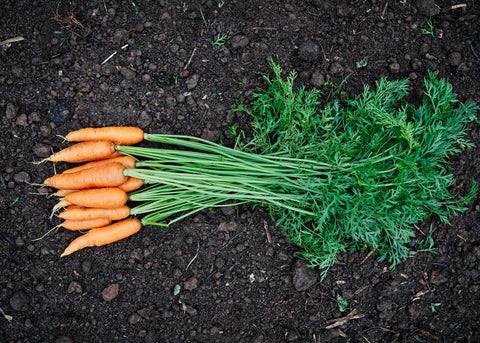
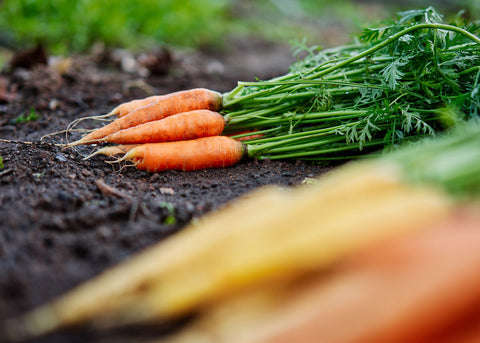
Nantes Scarlet is a classic French carrot known for smooth, cylindrical roots, blunt tips, and a sweet, crisp bite. Developed in the 1800s near Nantes, France, this market-garden type became prized for its bright orange color, fine texture, and tender, nearly coreless flesh.
Harvest roots around 6–7 inches long, or pull them young for baby carrots. A reliable choice for fresh eating, roasting, juicing, lunchboxes, and those first carrots pulled clean from the garden row.
Scientific name: Daucus carota
Life cycle: Biennial, typically grown as an annual
Days to maturity: 65-75 days from sowing
Root length: 6-7"
Every order is packed with care by our small team in Pennsylvania and typically ships within 2–3 business days—often by the next business day. We ship throughout the United States using USPS and UPS.
Unopened items may be returned within 30 days of delivery. If an order arrives damaged, incomplete, or incorrect, please contact us so we can make it right.
We stand behind every packet we sell. Our seeds are carefully selected, tested for germination, untreated, and guaranteed to be true to variety.
Your seeds are covered for one year from the date of purchase. If they fail to germinate under reasonable growing conditions, arrive damaged, or do not grow true to type, contact us and we’ll make it right with a replacement, store credit, or refund.
FAMILY OWNED
Hand packed in Pennsylvania by our family.
LAB TESTED
Third-party tested for reliable germination.
NON-GMO
Open-pollinated varieties for home gardens & seed saving.
UNTREATED SEED
Never coated with chemical seed treatments.
Carrot Growing Basics

Carrots were first cultivated in Central Asia, where early roots were often purple, yellow, red, or white rather than orange. Over centuries, gardeners selected them for sweeter flavor, smoother roots, and a wide range of shapes and colors. The familiar orange carrot became especially prominent in Europe, but older colors remain an important part of the crop’s history.
Carrots are cool-season biennials grown for their roots during the first year. They perform best in loose, stone-free soil with steady moisture and little competition. Direct sow the fine seed, keep the surface moist through germination, thin carefully, and harvest once the roots reach the size and color expected for the variety.
Sow carrots outdoors about 2 weeks before the average last frost, once the soil has warmed to roughly 45°F. They tolerate light frost and grow best while roots mature in cool to mild weather.
For a steady harvest, sow small plantings every 2–3 weeks. Time late-summer sowings so the roots mature near the first fall frost.
Carrot seed can germinate in cool soil, but emergence is slow. Hot weather during root development can reduce flavor and quality, so use afternoon shade or delay sowing when summers are severe.
Direct sow seeds ¼–½ inch deep in early spring. Later sowings may be planted slightly deeper where the surface dries quickly. Scatter seeds thinly and cover with fine soil, compost, or vermiculite.
Keep the seedbed consistently moist until seedlings emerge, which often takes 10–17 days or longer in cool conditions. A light cover of burlap or row fabric can help retain moisture; remove it as soon as seedlings appear.
Thin young plants to about 1–2 inches apart for most varieties. Short finger types may be spaced more closely, while broad or storage carrots need more room. Clip unwanted seedlings at soil level if pulling might disturb nearby roots.
Choose full sun and deeply loosened, well-drained soil. Remove stones and break up clods before sowing. Short, rounded varieties are better suited to shallow or heavy soil than long-rooted types.
Keep moisture steady as the roots develop. Dry soil can produce stronger flavor, rough texture, or splitting when heavy watering follows. Mulch lightly once seedlings are established.
Carrots need moderate fertility. Excess nitrogen can encourage leafy tops and forked or poorly formed roots. Weed early and cultivate shallowly to avoid damaging the roots.
Cover exposed shoulders with a little soil if they begin turning green. Trim only after harvest; growing tops help feed the roots.
Harvest baby or finger carrots once the roots reach a useful size. Full-size carrots are generally ready when the shoulders are about ¾–1½ inches across, depending on the variety.
Loosen firm soil with a fork before pulling to avoid snapping long roots. Carrots often become sweeter after light frost as stored starches shift toward sugars.
For storage, remove the tops, leaving about an inch of stem. Keep unwashed roots cool and humid, or leave fall carrots in the garden beneath a deep mulch until the ground begins to freeze.
Great products!


