

Peppermint Stick - Zinnia Seeds

SKU: FZA110-1000
Open-Pollinated
Price:$15.95
Choose size

🚚 FREE SHIPPING for all orders over $79!

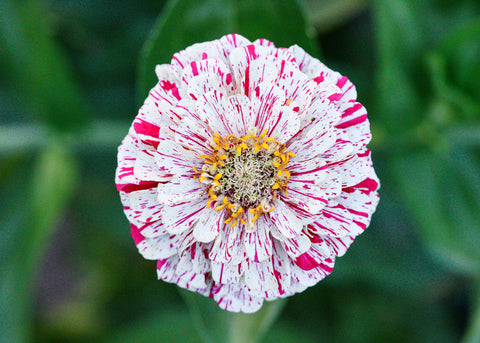
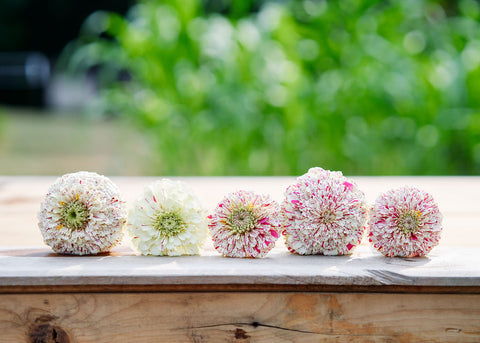
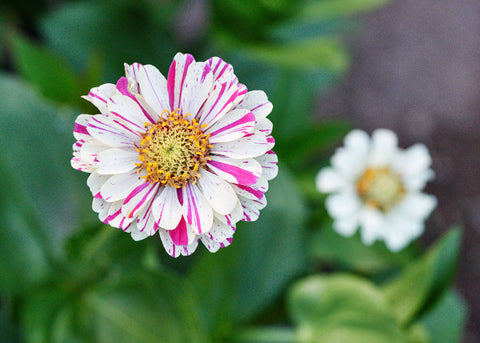
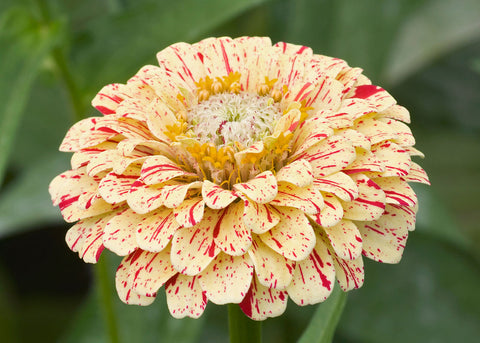
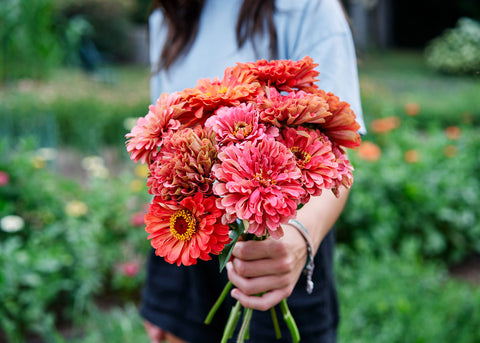
Peppermint Stick zinnias look delightfully hand-painted, with creamy, yellow, pink, and rose petals splashed, striped, and flecked in red. No two blooms are exactly alike, which makes each walk through the cutting garden feel like checking a row of small surprises.

Plants grow easily in summer heat and produce cheerful stems for bouquets, market bunches, and children’s gardens. Cut often for more flowers, and enjoy a zinnia that brings playful color without losing the dependable toughness gardeners count on from this classic annual.

Scientific name: Zinnia elegans
Life cycle: Annual
Days to bloom: 75-90 days from sowing
Plant height: 30-40"

Every order is packed with care by our small team in Pennsylvania and typically ships within 2–3 business days—often by the next business day. We ship throughout the United States using USPS and UPS.

Unopened items may be returned within 30 days of delivery. If an order arrives damaged, incomplete, or incorrect, please contact us so we can make it right.

View Shipping Policy

We stand behind every packet we sell. Our seeds are carefully selected, tested for germination, untreated, and guaranteed to be true to variety.

Your seeds are covered for one year from the date of purchase. If they fail to germinate under reasonable growing conditions, arrive damaged, or do not grow true to type, contact us and we’ll make it right with a replacement, store credit, or refund.
View Refund, Return & Guarantee Policy

Previous
Next

FAMILY OWNED

Hand packed in Pennsylvania by our family.

LAB TESTED

Third-party tested for reliable germination.

NON-GMO

Open-pollinated varieties for home gardens & seed saving.

UNTREATED SEED

Never coated with chemical seed treatments.

Zinnia Growing Basics

Zinnias are among the easiest and most rewarding flowers to grow from seed, producing an abundance of colorful blooms from summer until frost. Native to Mexico and the American Southwest, these warm-season annuals thrive in heat and sunshine, making them favorites for cutting gardens, pollinator plantings, and home landscapes.

Available in nearly every color, zinnias range from compact bedding plants to tall cutting varieties with single, semi-double, and fully double blooms. Their long flowering season and exceptional vase life make them one of the most productive flowers for both beginning and experienced gardeners.

Direct sow zinnias after all danger of frost has passed and the soil has warmed. They germinate quickly in warm conditions and establish rapidly, making direct sowing the preferred method for most gardens.

For earlier blooms, seeds may be started indoors about 3–4 weeks before the last expected frost and transplanted carefully after hardening off. Successive sowings every two to three weeks through early summer provide continuous flowers until frost.

Sow seeds about ¼ inch deep in well-prepared soil and keep evenly moist until seedlings emerge, usually within one week under warm conditions.

Thin or transplant seedlings according to the mature size of the variety, generally allowing 8–12 inches between plants. Good spacing improves airflow, encourages sturdy branching, and helps reduce disease pressure later in the season.

Plant zinnias in full sun and fertile, well-drained soil. They flourish during warm weather and bloom most heavily with at least six to eight hours of direct sunlight each day.

Water regularly while plants establish, then deeply during prolonged dry periods. Water near the base of the plant whenever possible, keeping foliage dry to reduce disease. Tall varieties may benefit from support in windy locations.

Pinching young plants when they reach about 8–12 inches tall encourages branching, resulting in more flowering stems and a longer harvest season. Frequent harvesting or deadheading keeps plants producing new blooms until frost.

Zinnias are outstanding pollinator flowers, attracting native bees, honeybees, butterflies, hoverflies, and many other beneficial insects throughout summer.

Harvest zinnias once the stems are fully mature using the “wiggle test.” Hold the stem several inches below the flower and gently shake it. If the stem remains stiff and upright, it is ready to cut. If it bends easily beneath the flower, allow it to mature for a few more days.

Harvest during the cool part of the day and immediately place stems into clean water. Regular harvesting encourages plants to branch and continue producing flowers throughout the season.