


Rosemary - Herb Seeds
🚚 FREE SHIPPING for all orders over $79!
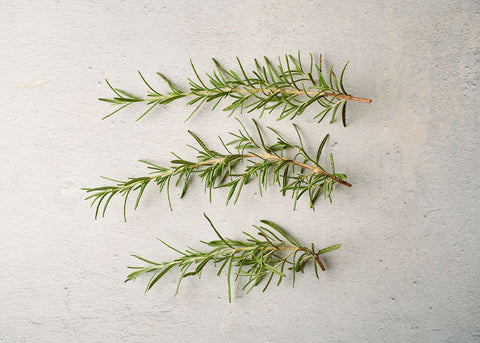
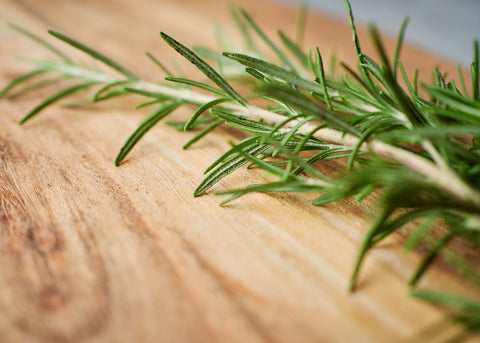
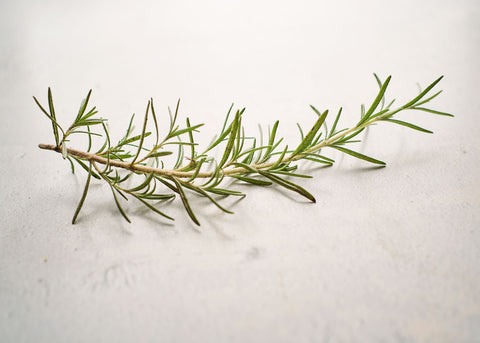
Rosemary is a woody Mediterranean herb with needle-like leaves, a piney fragrance, and a flavor that belongs with roasted potatoes, bread, beans, poultry, and winter stews. Slow to start from seed but long-lived once established, it rewards patience with evergreen structure and stems that can be clipped as needed.
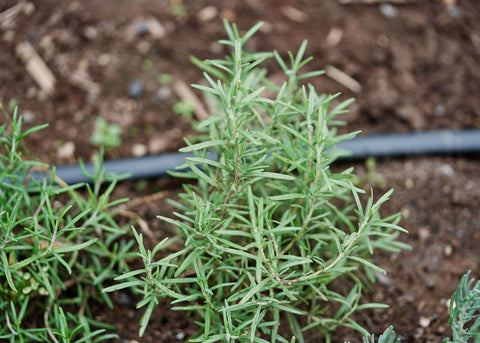
In mild climates, rosemary can grow into a shrubby perennial; farther north, it is often grown in containers and protected from deep cold. Its small blossoms are loved by bees, and its branches dry well for the pantry.
Scientific name: Rosmarinus officinalis
Life cycle: Tender perennial
Days to maturity: 80-100 days from sowing
Plant height: 18-48"
Every order is packed with care by our small team in Pennsylvania and typically ships within 2–3 business days—often by the next business day. We ship throughout the United States using USPS and UPS.
Unopened items may be returned within 30 days of delivery. If an order arrives damaged, incomplete, or incorrect, please contact us so we can make it right.
We stand behind every packet we sell. Our seeds are carefully selected, tested for germination, untreated, and guaranteed to be true to variety.
Your seeds are covered for one year from the date of purchase. If they fail to germinate under reasonable growing conditions, arrive damaged, or do not grow true to type, contact us and we’ll make it right with a replacement, store credit, or refund.
FAMILY OWNED
Hand packed in Pennsylvania by our family.
LAB TESTED
Third-party tested for reliable germination.
NON-GMO
Open-pollinated varieties for home gardens & seed saving.
UNTREATED SEED
Never coated with chemical seed treatments.
Rosemary Growing Basics

Rosemary has grown along Mediterranean hillsides for centuries, valued for its needle-like leaves, resinous fragrance, and steady place in kitchens, gardens, and household traditions. Its scent carries notes of pine, citrus, and warm earth, and a single sprig can flavor bread, potatoes, beans, roasted vegetables, meat, and savory sauces.
In the garden, rosemary forms a woody evergreen shrub where winters are mild. In colder regions, it is often grown in containers and brought indoors before hard frost. Its pale blue flowers are especially welcome to bees, while the aromatic foliage offers a useful harvest through much of the year.
Start rosemary indoors about 10–12 weeks before the expected last spring frost. Germination is naturally slow and uneven, so an early start gives seedlings time to develop before warm weather arrives.
Transplant outdoors after the danger of frost has passed and nights are reliably mild. In colder climates, grow rosemary in a container that can be moved indoors before fall frost. In mild-winter areas, young plants may also be set out in early fall so roots can establish before cooler weather.
Sow seeds shallowly on the surface of moist seed-starting mix and cover only lightly. Keep the mix warm and evenly moist, but not soggy. Germination may take three to six weeks or longer, and not every seed will sprout.
Provide strong light and good airflow once seedlings emerge. Move young plants into individual pots as they grow, then harden them gradually before transplanting. Space plants about 18–36 inches apart, depending on the variety and mature size.
Rosemary also grows well in containers, provided the pot has excellent drainage and enough room for the roots to develop.
Choose a site with full sun and very well-drained soil. Rosemary performs best in lean to moderately fertile ground and is more likely to struggle from excess moisture than from low fertility.
Water regularly while plants are becoming established, then allow the soil to dry slightly between waterings. Prune lightly to encourage branching and maintain shape, but avoid cutting deeply into bare old wood where new growth may be slow to return.
Rosemary pairs well with thyme, sage, oregano, lavender, and other herbs that prefer similar dry, sunny conditions. Its flowers attract bees and other early pollinators, making it useful along herb beds, vegetable garden edges, and perennial borders.
Begin harvesting lightly once plants are well established. Cut tender sprigs as needed, taking only a small portion of the plant at one time, especially during the first year.
Use rosemary fresh, or dry small bundles in a warm, airy place out of direct sun. Once fully dry, strip the leaves from the woody stems and store them in a sealed container away from heat and light.
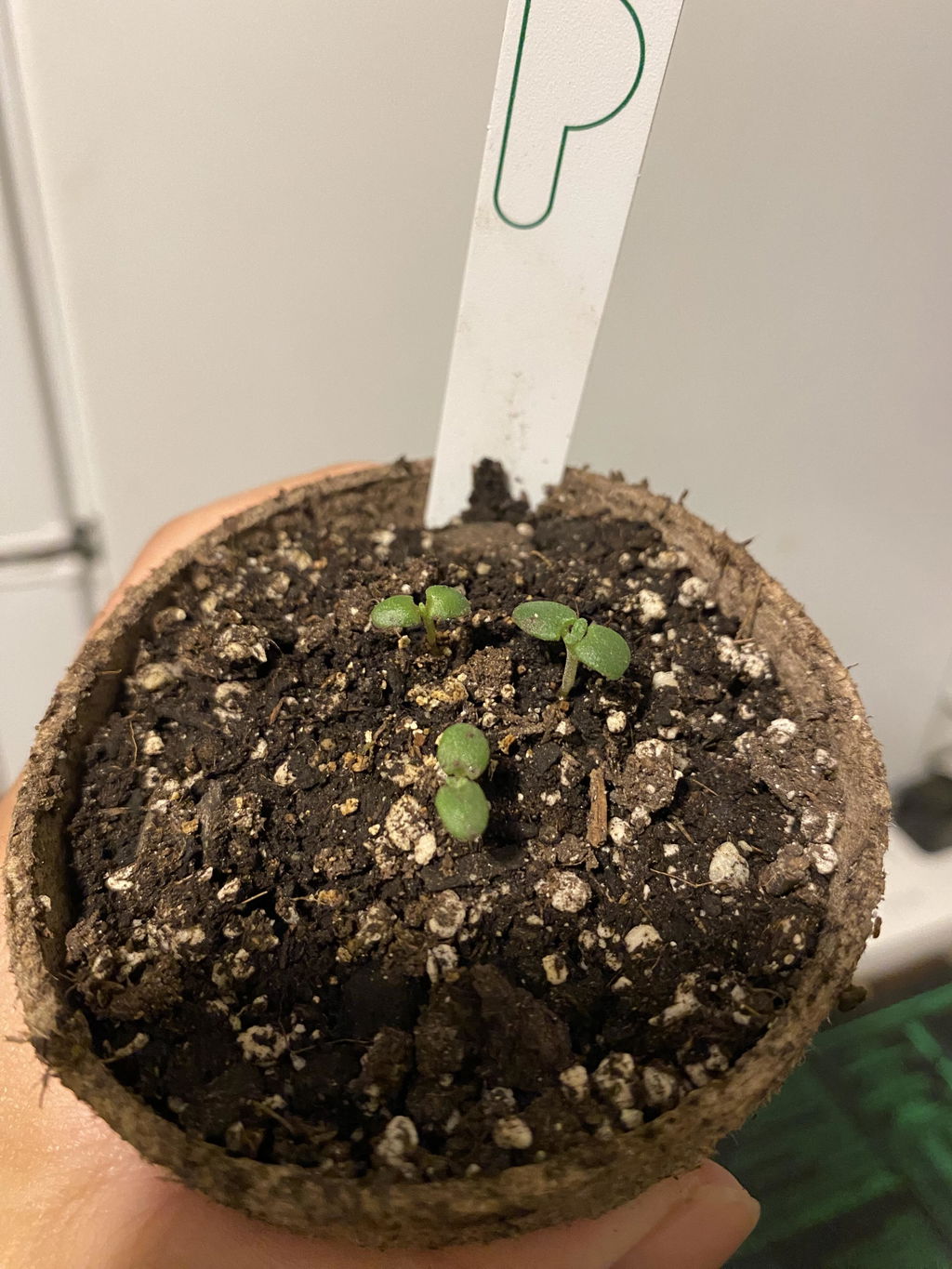
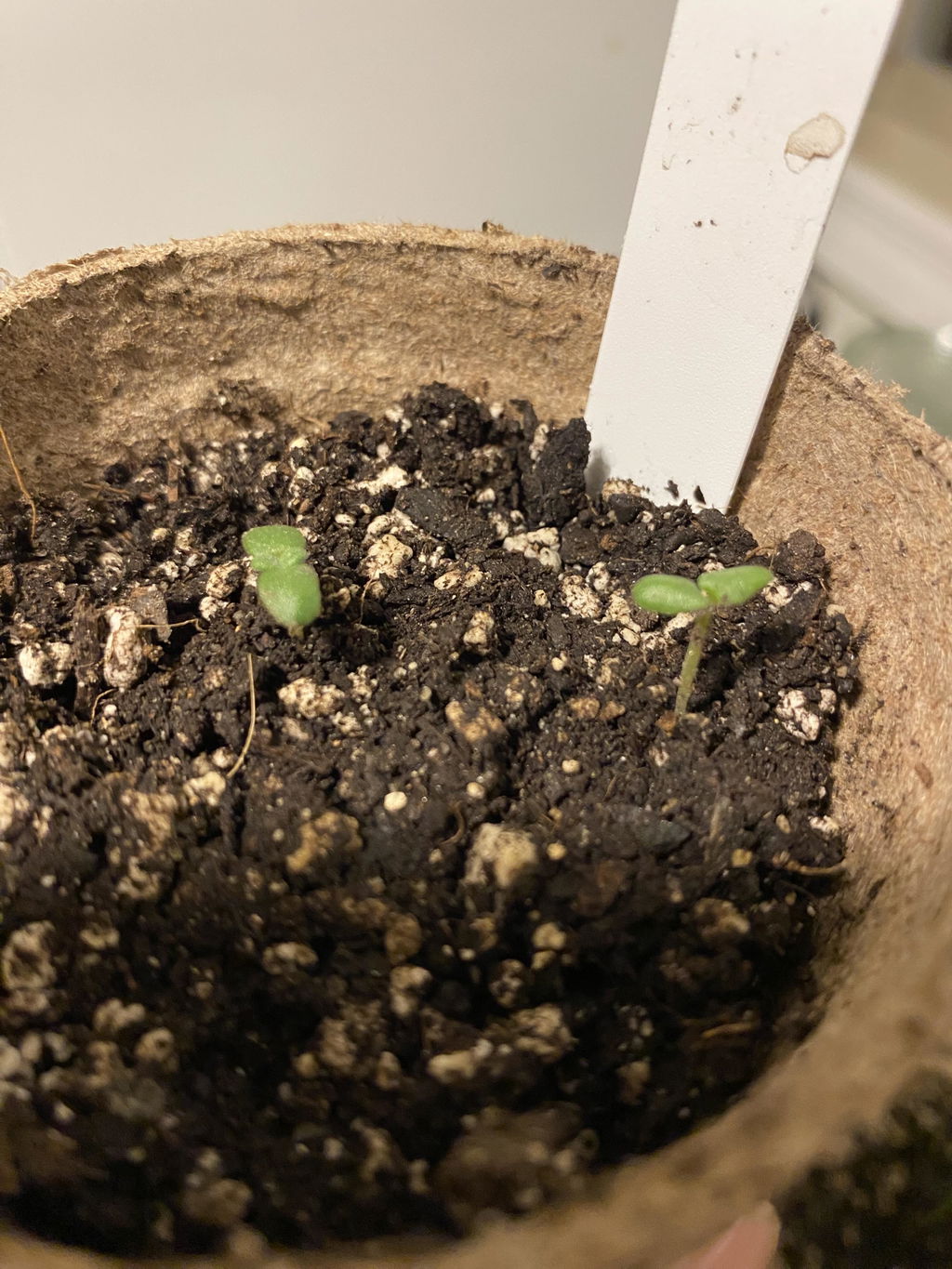
Rosemary, no matter where you purchase, has a low germination rate. I sprinkled at least 30ish seeds onto my potting soil, and topped it with a sprinkle of vermiculite. I managed to get 10 to sprout! Unfortunately, I killed some transplanting lol. But excited to see these babies grow.
Didn’t come up
We're sorry to hear about your experience with our rosemary seeds, Donna. We strive to provide high-quality seeds, and it's disappointing to learn that the seeds didn't germinate as expected for you. We recommend starting rosemary seed indoors & cover soil very lightly as seeds require light to germinate. A heat mat will improve germination. Sow thickly as germination is naturally low and variable. Seed germination can take between 14-21 days. Customer support will be reaching out through email to help resolve this for you.