
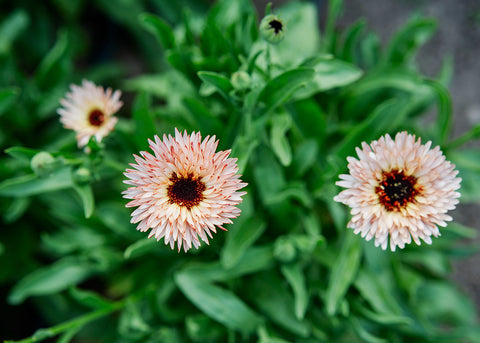
Strawberry Blonde - Organic Calendula Seeds

SKU: HCA103-GP01
Open-Pollinated
Open Source Seed Initiative
Certified Organic
Price:$17.95
Choose size

🚚 FREE SHIPPING for all orders over $79!

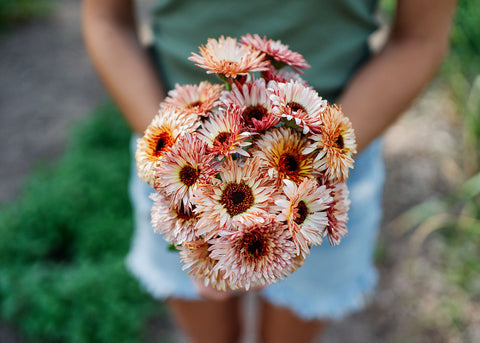
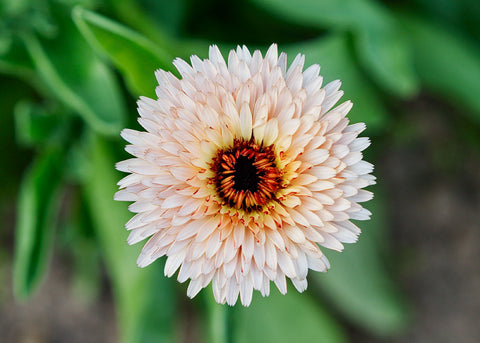
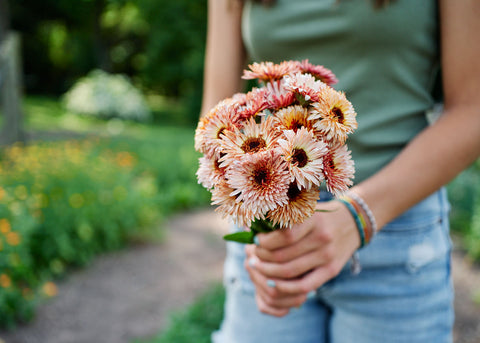
Strawberry Blonde calendula opens in soft shades of peach, cream, rose, and warm apricot, often shifting color as the blooms age. This OSSI variety gives the old edible calendula a fresh painterly look, with petals that glow beautifully in beds, bouquets, and dried jars.

The edible petals can be scattered over salads, desserts, rice, and herbal teas, while the flowers also suit traditional infused oils and salves. Plants bloom best in cooler weather, attract bees, and keep sending color when picked often.

Every order is packed with care by our small team in Pennsylvania and typically ships within 2–3 business days—often by the next business day. We ship throughout the United States using USPS and UPS.

Unopened items may be returned within 30 days of delivery. If an order arrives damaged, incomplete, or incorrect, please contact us so we can make it right.

View Shipping Policy

We stand behind every packet we sell. Our seeds are carefully selected, tested for germination, untreated, and guaranteed to be true to variety.

Your seeds are covered for one year from the date of purchase. If they fail to germinate under reasonable growing conditions, arrive damaged, or do not grow true to type, contact us and we’ll make it right with a replacement, store credit, or refund.

View Refund, Return & Guarantee Policy

Previous
Next

NON-GMO

Open-pollinated varieties for home gardens & seed saving

UNTREATED SEED

Safe seed, free from chemical treatments

HAND PACKED IN PA

Prepared with care by our family and small team

100% SATISFACTION

Third-party lab tested and backed by our guarantee

Growing Guide

Calendula has been grown for centuries in kitchen gardens, cottage gardens, and traditional herb beds, valued for its sunny flowers, edible petals, and everyday usefulness. Often called pot marigold, it is not the same plant as French or African marigolds, but it shares their bright presence and easy place in the garden.

Calendula flowers in shades of orange, gold, yellow, peach, and cream, bringing color to cool seasons when many flowers are just beginning or already fading. Its petals are used fresh or dried for teas, salads, baked goods, infused oils, salves, natural color, and cheerful garden-to-table beauty. The plants are generous, easy to grow, and especially welcome to pollinators and beneficial insects.

Scientific name: calendula officinalis
Days to maturity: 75-85
Seed depth: 1/4"
Days to sprout: 10-20
Plant spacing: 8-12"
Row spacing: 18-24"
Light requirements: sunny / partial shade
Plant height: 18-24"
Life cycle: annual
Frost hardy: no

Calendula grows best in cool to mild weather. Direct sow in early spring as soon as the soil can be worked, or start indoors about 4–6 weeks before the expected last spring frost.

In mild climates, calendula can also be sown in late summer or fall for cool-season bloom. Plants may slow down in strong summer heat, then resume flowering when temperatures become milder again.

Sow seeds about ¼–½ inch deep in prepared soil or seed-starting mix. Keep evenly moist until germination, which usually occurs within one to two weeks.

Thin or transplant seedlings so plants stand about 8–12 inches apart. Calendula can be grown in garden beds, raised beds, borders, edible flower gardens, herb gardens, and containers. It transplants well when young, but direct sowing is simple and reliable.

Choose a site with full sun to light partial shade and well-drained soil. Calendula does not need overly rich ground; moderate fertility and steady moisture are usually enough for strong flowering.

Water during dry periods and mulch lightly if needed to protect soil moisture. Deadhead spent flowers to encourage continued bloom, or leave some heads to mature if you want to save seed or allow self-sowing. In hot weather, plants may become less tidy, but they often rebound as cooler conditions return.

Harvest flowers when they are fully open and fresh, preferably in the morning after dew has dried. Pick regularly to encourage more blooms.

Use petals fresh, or dry whole flower heads or loose petals in a warm, airy place out of direct sun. Once fully dry, store in a sealed container away from heat and light. For infused oils or salves, petals should be thoroughly dried before use to reduce moisture in the finished preparation.

Calendula petals are edible and contain carotenoid pigments that give the flowers their orange and yellow color. They are often used for color, mild flavor, and traditional herbal preparations rather than as a primary food crop.

Use petals in salads, rice dishes, soups, baked goods, herb butters, teas, infused oils, salves, soaps, and natural dye projects. The flowers are also valuable in pollinator plantings and can bring long-lasting color to edible flower gardens.

Calendula is generally easy to grow, though aphids, slugs, and leaf-feeding insects may appear. Inspect young growth and flower buds regularly, especially in cool, damp weather.

Good spacing, airflow, and soil-level watering help reduce leaf spots, mildew, and other moisture-related problems. Remove badly damaged leaves or declining plants to keep the bed clean and productive.

Calendula is an annual that flowers and sets seed in the same season. It is insect-pollinated and may cross with other calendula varieties growing nearby, so separate varieties if maintaining a particular form or color is important.

Select healthy plants with the flower color, form, height, and bloom quality you want to continue. Allow flower heads to dry on the plant until the seeds turn tan to brown and curl into their mature crescent shapes.

Harvest dry seed heads before too many seeds drop. Finish drying them under cover if needed, then rub the heads apart and remove chaff. Store fully dry seed in a labeled container in a cool, dark place.

  • Sow in cool weather for the strongest plants and blooms.
  • Pick flowers often to encourage more blossoms.
  • Dry petals fully before using them in infused oils.
  • Leave a few seed heads if you want volunteer plants.
  • Grow near vegetables and herbs to support pollinators and beneficial insects.