Thyme - Organic Seeds

SKU: HTE102-VP01
Open-Pollinated
Certified Organic
Heirloom
Price:$14.80
Choose size

🚚 FREE SHIPPING for all orders over $79!

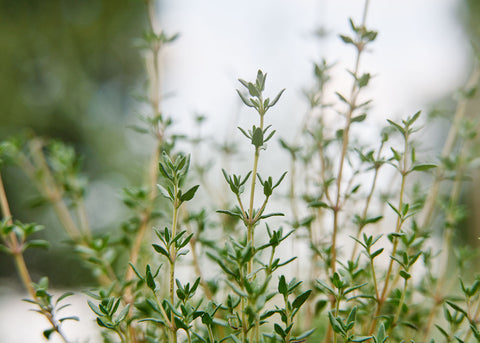
Thyme is a low, woody perennial herb with tiny leaves, slender stems, and a warm, savory fragrance that deepens when dried. This old kitchen staple is right at home with roasted vegetables, beans, poultry, soups, breads, and the slow-cooked meals that make a house smell settled.

Plants prefer sun and good drainage, making them useful for herb beds, borders, rock gardens, and containers. Once established, thyme asks for little but regular clipping, rewarding the gardener with neat growth, pollinator-friendly blooms, and a pantry herb worth keeping close.

Every order is packed with care by our small team in Pennsylvania and typically ships within 2–3 business days—often by the next business day. We ship throughout the United States using USPS and UPS.

Unopened items may be returned within 30 days of delivery. If an order arrives damaged, incomplete, or incorrect, please contact us so we can make it right.

View Shipping Policy

We stand behind every packet we sell. Our seeds are carefully selected, tested for germination, untreated, and guaranteed to be true to variety.

Your seeds are covered for one year from the date of purchase. If they fail to germinate under reasonable growing conditions, arrive damaged, or do not grow true to type, contact us and we’ll make it right with a replacement, store credit, or refund.
View Refund, Return & Guarantee Policy

Previous
Next

NON-GMO

Open-pollinated varieties for home gardens & seed saving

UNTREATED SEED

Safe seed, free from chemical treatments

HAND PACKED IN PA

Prepared with care by our family and small team

100% SATISFACTION

Third-party lab tested and backed by our guarantee

Growing Guide

Thyme has grown across Mediterranean hillsides and kitchen gardens for centuries, prized for its tiny fragrant leaves and warm, earthy flavor. It holds up especially well in slow cooking, bringing depth to soups, beans, roasted vegetables, breads, meats, sauces, and everyday herb blends.

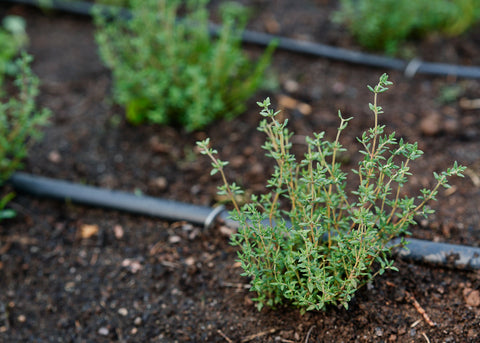
In the garden, thyme forms a low woody perennial that fits neatly along paths, between stones, in containers, herb beds, and sunny borders. Its small flowers draw bees and beneficial insects, while the foliage offers a useful harvest through much of the year where winters are mild.

Scientific name: thymus vulgaris
Days to maturity: 75
Seed depth: surface-1/8"
Days to sprout: 14-21
Plant spacing: 6-12"
Row spacing: 12-18"
Light requirements: sunny / partial shade
Plant height: 6-12"
Life cycle: perennial
Frost hardy: yes

Start thyme indoors about 8–10 weeks before the expected last spring frost, or direct sow outdoors after the soil has warmed. Thyme grows slowly from seed, so indoor starting gives seedlings more time to develop before transplanting.

Set well-rooted plants outdoors after severe frost has passed. In mild climates, thyme may also be planted in early fall, allowing roots to establish before winter. Established plants are perennial where drainage and cold conditions suit them.

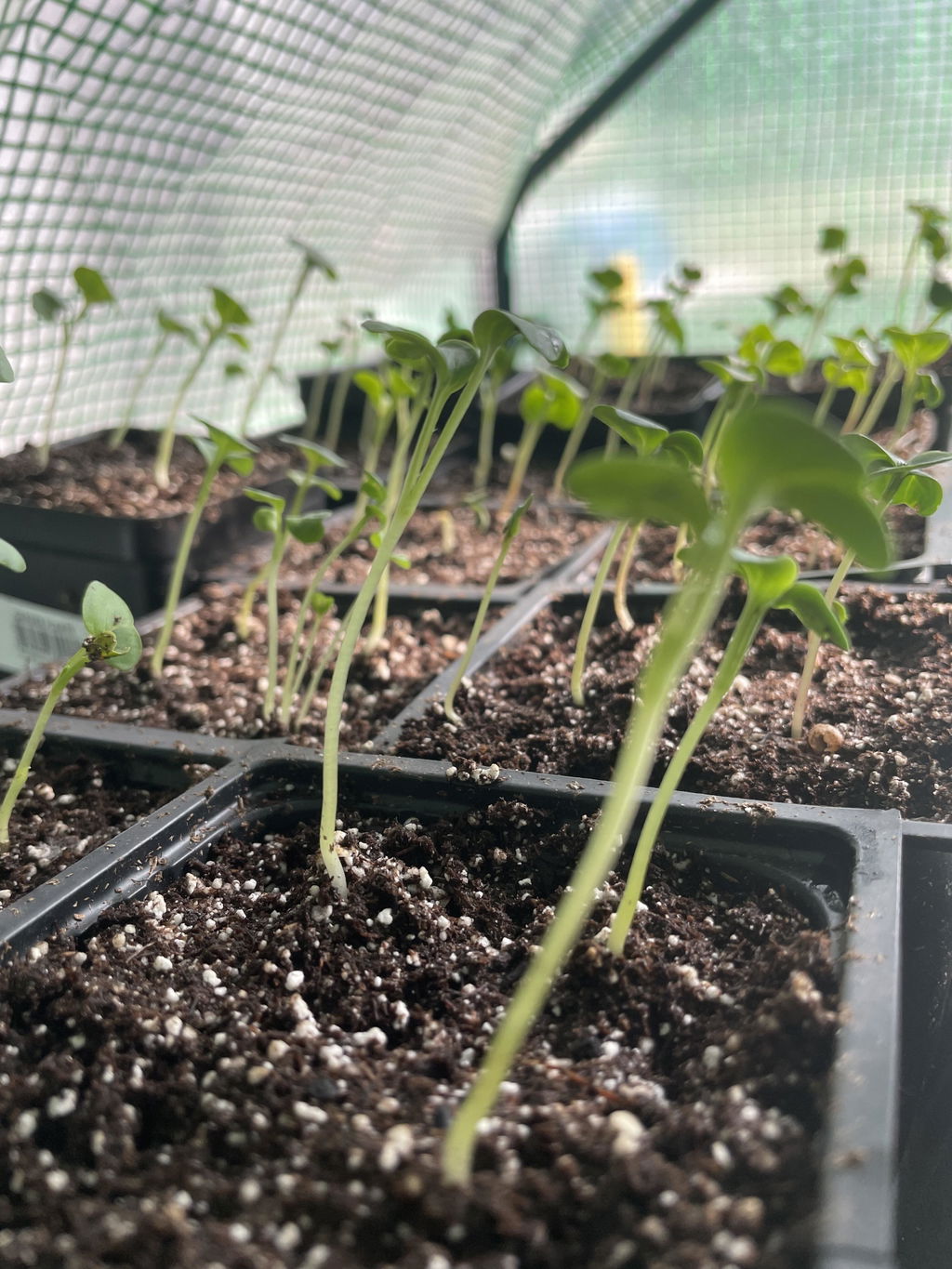
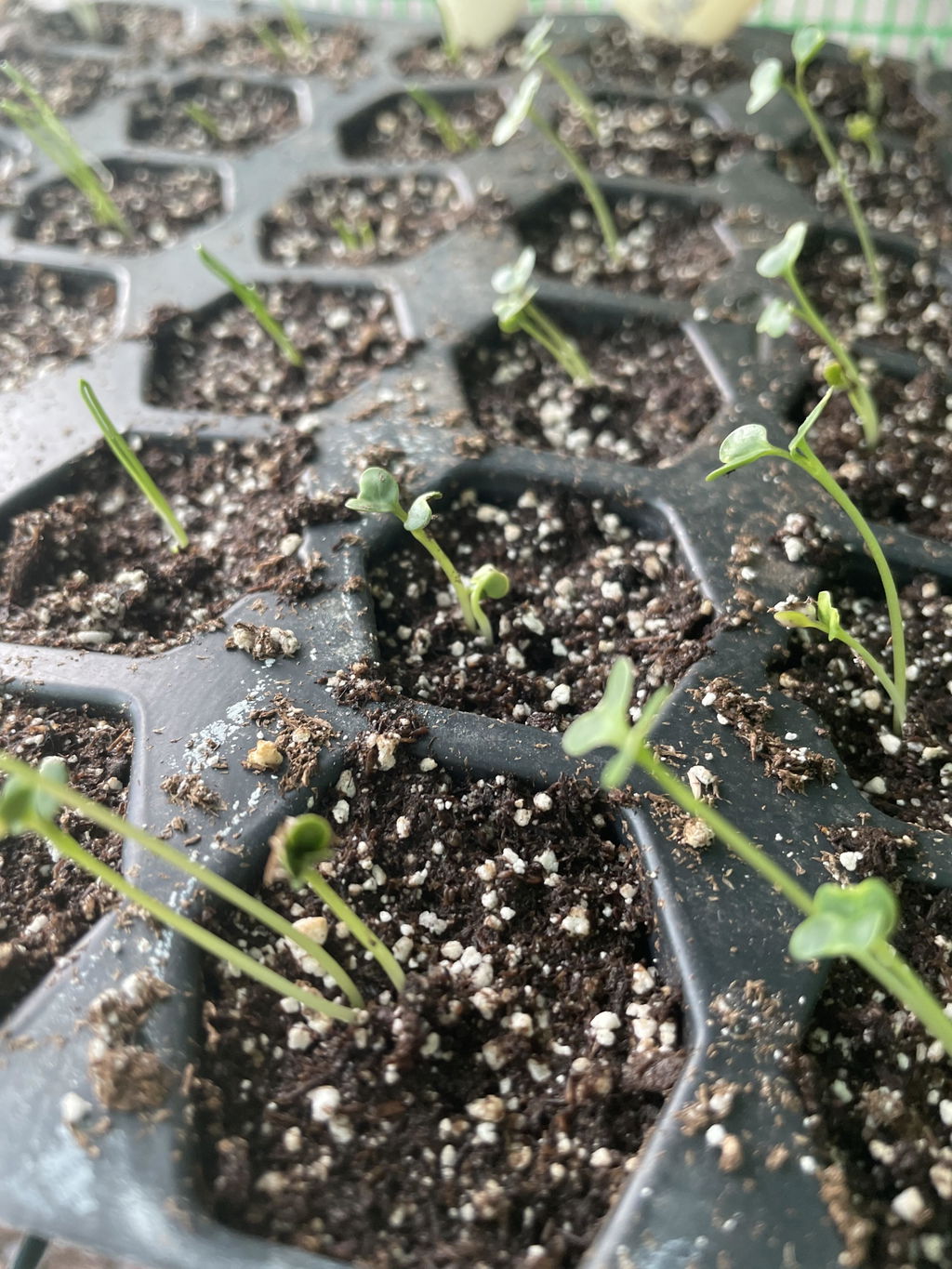
Thyme seed is very small. Sow it on the surface of moist seed-starting mix and cover only lightly, if at all. Keep the surface evenly moist until germination, which may take two to four weeks.

Provide strong light and good airflow once seedlings emerge. Transplant carefully after hardening, spacing plants about 8–12 inches apart depending on the variety and growth habit.

Thyme also grows well in containers, especially where the potting mix drains freely and plants receive plenty of sun.

Choose a site with full sun and sharp drainage. Thyme performs best in lean to moderately fertile soil and does not need heavy feeding.

Water regularly while plants are becoming established, then allow the soil to dry slightly between waterings. Trim lightly after flowering to encourage fresh growth and keep plants compact, but avoid cutting deeply into bare old wood.

Thyme works well beside rosemary, sage, oregano, lavender, and other herbs that prefer dry, sunny conditions. Its flowers attract bees, hoverflies, and other beneficial insects, making it useful along vegetable-bed edges, pollinator strips, and mixed herb plantings.

Begin harvesting once plants are well established. Cut tender sprigs just above woody growth, taking only part of the plant at one time so it can continue producing.

For the strongest flavor, harvest before or as flowering begins. Use thyme fresh, or dry small bundles in a warm, airy place out of direct sun. Once fully dry, strip the leaves from the stems and store them in a sealed container away from heat and light.

Thyme contains fragrant essential oils and naturally occurring plant compounds that give the herb its strong, savory aroma and flavor.

Use thyme in soups, beans, roasted vegetables, potatoes, breads, meats, marinades, herb butter, stuffing, sauces, and Mediterranean-style herb blends. The small flowers are also edible and can be used as a delicate garnish.

Thyme generally has few pest problems, though aphids, spider mites, or small chewing insects may occasionally appear, especially on stressed plants.

Poor drainage is the greater concern. Wet soil, overcrowding, and heavy mulch around the crown can lead to root decline, stem rot, or mildew. Keep plants open to light and air, and water near the soil rather than over the foliage.

Thyme is an insect-pollinated perennial, and different thyme varieties may cross when flowering nearby. Grow one variety for seed or provide generous isolation if maintaining a particular type.

Select healthy plants with strong fragrance, compact growth, and the leaf qualities you want to preserve. Allow some flower heads to remain until they turn brown and dry.

Cut mature stems before seed scatters heavily, finish drying them under cover, then rub or thresh the heads to release the tiny seed. Remove chaff and store fully dry seed in a labeled container in a cool, dark place.

  • Be patient with slow, tiny seedlings.
  • Prioritize drainage over fertility.
  • Trim lightly after flowering to maintain shape.
  • Avoid cutting deeply into bare woody stems.
  • Leave some flowers for bees and beneficial insects.