
Black Seeded Simpson - Organic Lettuce Seeds

SKU: VLE105
Open-Pollinated
Certified Organic
Heirloom
Price:$5.65
Choose size

🚚 FREE SHIPPING for all orders over $79!

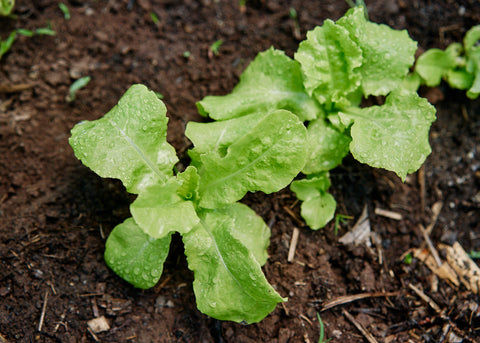
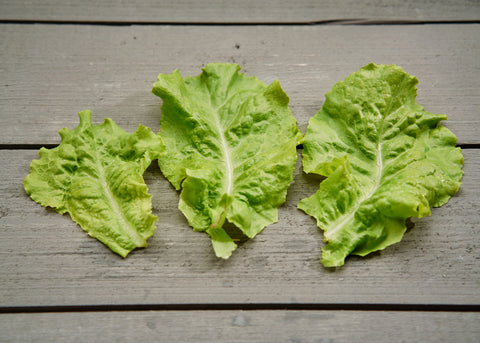
Black Seeded Simpson dates to the 1850s and still tops spring salad lists for a reason—crinkled chartreuse leaves stay tender and sweet even as days warm. Quick to mature, it’s perfect for cut‑and‑come‑again harvests. Lettuce supplies folate and vitamin K; this one supplies volume without bitterness. Sow thickly, thin for baby greens, and keep beds evenly moist for the best texture. A reliable heirloom that forgives a little neglect and keeps salads lively.

Plant seeds directly into the garden starting 4 weeks before average last frost date or as soon as the soil can be worked. You can also start seeds indoors 2-4 weeks before transplanting. Optimum soil temperature for seed germination is 50-70 degrees. Lettuce seed does not germinate well if soil temperature is above 80 degrees. Resume planting in late summer for a fall harvest. Lettuce is cold tolerant and will tolerate light to moderate frosts. Succession plantings every at 2 weeks intervals will provide a steady supply.

Scientific name: lactuca sativa
Days to maturity: 40-65
Seed depth: 1/4"
Days to sprout: 6-10
Plant spacing: 6-12"(head) 6-8"(leaf)
Row spacing: 12-24"
Light requirements: sunny / partial shade
Plant height: 4-8"
Life cycle: annual
Frost hardy: yes

Previous
Next

NON-GMO

Open-pollinated seeds perfect for seed saving

HIGH QUALITY

Third-party lab tested to ensure strong germination and seed vitality

100% SATISFACTION

We'll make it right if there's a problem

HAND PACKED

Created with love in Pottstown, PA

ORGANIC SEED

140+ Organic and Certified Naturally Grown varieties available

FREE SHIPPING

Fast & free shipping on orders $79+

Growing Guide

Lettuce has been cultivated since ancient times, first as a leafy and seed-bearing plant in western Asia and the Mediterranean. Persian, Greek, and Roman growers knew the crop long before the firm heads familiar today were developed. Centuries of selection gave us looseleaf, butterhead, romaine, crisphead, and colorful specialty lettuces.

Lettuce grows quickly in cool weather and fits easily into garden beds, containers, and open spaces between slower crops. Sow directly or transplant young seedlings, keep the shallow roots evenly moist, and harvest before heat causes the plants to bolt and turn bitter. Small succession plantings provide a steadier supply than one large sowing.

Sow lettuce in early spring as soon as the soil is workable and has warmed to about 40°F. Established plants tolerate light frost, but growth is best during mild days and cool nights.

Make small sowings every 2–3 weeks while cool weather continues. Resume sowing in late summer or early fall, allowing enough time for the variety to mature before severe cold.

Lettuce seed germinates best in cool soil. Temperatures above about 80°F can delay or prevent sprouting. For warm-weather sowings, plant in the evening, shade the seedbed, and keep it consistently moist.

Sow seeds about ¼ inch deep, covering them lightly. Keep the surface moist until seedlings emerge; the small seeds and shallow roots dry quickly.

Thin looseleaf lettuce to about 4–6 inches apart. Space butterhead and romaine 6–10 inches apart and larger crisphead types 10–12 inches apart. Use the thinnings as baby greens.

Lettuce also transplants well. Start seeds indoors 3–4 weeks before planting out and move seedlings while they are still young. Harden them off gradually and avoid burying the crown.

Grow lettuce in full sun during cool weather. Afternoon shade helps extend the harvest as temperatures rise. Use fertile, well-drained soil enriched with compost.

Water often enough to keep the soil evenly moist. Dry conditions slow growth, increase bitterness, and contribute to leaf-edge tipburn. Water near the soil when possible and avoid keeping the foliage wet for long periods.

Cultivate shallowly because lettuce roots remain close to the surface. A light mulch helps conserve moisture, cool the soil, and limit weeds. Avoid heavy feeding; excess fertilizer can produce soft growth.

Harvest baby leaves whenever they reach a useful size. For a cut-and-come-again crop, cut leaves about an inch above the crown and allow the center to regrow.

Pick outer leaves from looseleaf plants as needed or cut the whole plant at the base. Harvest butterhead, romaine, and crisphead once the heads feel full and firm for their type.

Gather lettuce during the cool part of the day. Wash, dry, and refrigerate it promptly. Harvest before a tall central stalk forms, since bolting brings tougher leaves and stronger bitterness.

Lettuce is a water-rich food that provides fiber, folate, vitamins A, C, and K, and naturally occurring antioxidant compounds. Dark green and red-leaf varieties generally offer more carotenoids, flavonoids, and anthocyanins than paler types.

Use tender leaves in salads, sandwiches, wraps, and grain bowls. Romaine and firmer heads can also be grilled, braised, or added briefly to soups. Harvesting several colors and textures brings greater variety to both the plate and the garden.

Aphids, slugs, flea beetles, cutworms, leafminers, and caterpillars may feed on lettuce. Check beneath leaves often, remove pests by hand, and use row cover over young plants when needed.

Root and stem rots, downy mildew, and leaf diseases are more common in crowded or persistently wet plantings. Provide airflow, water at soil level, rotate crops, and remove decaying leaves.

Brown leaf edges, known as tipburn, often develop when rapid growth and uneven moisture interfere with calcium movement within the plant. Keep the root zone consistently moist rather than adding calcium without evidence of a soil deficiency.

Lettuce is an annual and largely self-pollinating, making it a good crop for beginning seed savers. Choose healthy open-pollinated plants that show the color, form, flavor, and bolt resistance you want to preserve.

Allow selected plants to send up tall flower stalks. Small yellow flowers will be followed by fluffy seed heads resembling miniature dandelions. Seed does not ripen all at once, so gather mature heads repeatedly or cut the stalk when most heads are dry.

Rub or shake the dry flower heads into a container, then separate the seed from the chaff. Dry it for another week in a protected place and store it in a labeled, airtight container somewhere cool, dark, and dry.

  • Sow short rows every few weeks instead of one large planting.
  • Use afternoon shade to extend late-spring and summer crops.
  • Keep newly sown beds moist until seedlings are established.
  • Choose bolt-resistant varieties as warm weather approaches.
  • Let only the healthiest plants mature for seed.