
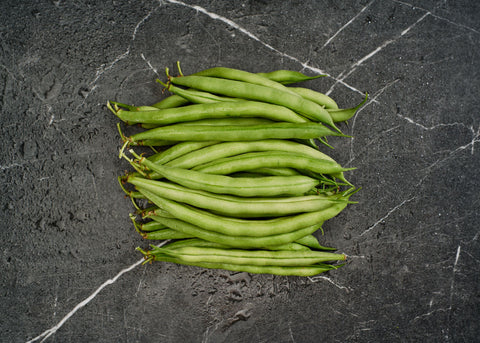


Provider - Organic Bush Bean Seeds
🚚 FREE SHIPPING for all orders over $79!
Start seed outdoors after danger of frost has passed, usually 1-2 weeks after average last frost date. Inoculating seeds w/ nitrogen fixing-bacteria may increase yields in areas newly planted in beans. Optimum soil temperature for seed germination is 65-85 degrees. Wait until air & soil has warmed up in the spring. Seeds planted in cold soil can germinate slowly and rot. Bush beans usually provide one large harvest, with a 2nd smaller harvest a few weeks later. Can be planted again in mid-late summer for an autumn harvest.
Scientific name: phaseolus vulgaris
Days to maturity: 48-54
Seed depth: 1"
Days to sprout: 5-10
Plant spacing: 2"
Row spacing: 24-30"
Light requirements: sunny
Plant height: 16-18"
Life cycle: annual
Frost hardy: no
NON-GMO
Open-pollinated seeds perfect for seed saving
HIGH QUALITY
Third-party lab tested to ensure strong germination and seed vitality
100% SATISFACTION
We'll make it right if there's a problem
HAND PACKED
Created with love in Pottstown, PA
ORGANIC SEED
140+ Organic and Certified Naturally Grown varieties available
FREE SHIPPING
Fast & free shipping on orders $79+
Growing Guide

Beans have been cultivated in the Americas for thousands of years, with common beans shaped by Indigenous growers in both Mesoamerica and the Andes before spreading into kitchens and gardens around the world. Today they are grown as compact bush plants or climbing vines, with varieties for crisp snap pods, tender shelling beans, and fully mature dry beans.
Direct sow beans into warm soil, give climbing varieties sturdy support from the beginning, and keep plants evenly watered as they flower and form pods. Pick snap beans often to keep plants producing, while shelling and dry beans are left on the vine longer to develop their full size and flavor.
Sow most beans outdoors after frost danger has passed and the soil has warmed to at least 60°F. Cold, wet soil slows germination and can cause seeds to rot before seedlings emerge.
For a longer snap-bean harvest, sow small plantings of bush beans every 2–3 weeks while enough frost-free time remains for the variety to mature. Pole beans usually produce over a longer period and often need only one main planting.
Direct sow seeds about 1 inch deep in heavy or moisture-retentive soil and up to 1½ inches deep in lighter, sandy soil. Space bush beans about 3–4 inches apart and pole beans about 4–6 inches apart, following the packet when a variety needs more room.
Beans generally grow best when direct sown because their roots do not benefit from transplanting. Where the growing season is short, start seeds in individual biodegradable pots about 2–3 weeks before planting out. Handle the roots gently and transplant only after the soil has warmed.
Install poles, trellises, netting, or other supports when climbing beans are sown so the roots are not disturbed later. Keep the seedbed evenly moist until seedlings emerge, but avoid saturated soil.
Choose a site with at least 6–8 hours of direct sun and loose, well-drained soil. Beans form a partnership with nitrogen-fixing bacteria on their roots, so heavy nitrogen feeding is usually unnecessary. Too much nitrogen can encourage lush leaves while delaying flowers and pods.
Water deeply at soil level, especially from flowering through pod development. Aim for consistent moisture rather than allowing the soil to swing between very dry and saturated. Mulch after the soil has warmed to conserve moisture, suppress weeds, and reduce soil splashing onto the foliage.
Beans are shallow-rooted, so weed carefully and avoid deep cultivation close to the plants. Do not cultivate, handle, or harvest plants while the foliage is wet, since moisture can help spread bacterial and fungal diseases.
Harvest snap beans while the pods are firm, crisp, and well formed but before the seeds inside become noticeably swollen. Pick every few days during peak production. Pods left to mature signal the plant to slow flowering and can reduce later harvests.
Hold the stem with one hand while removing pods with the other to avoid breaking tender branches. Bush beans often produce one concentrated harvest followed by a smaller second crop, while pole beans usually provide smaller harvests over a longer season.
For fresh shelling beans, harvest when the pods are plump and the seeds inside are fully sized but still tender. For dry beans, allow the pods to become papery and the seeds hard. If wet weather threatens, gather nearly dry pods and finish drying them under cover with good airflow.
Snap beans provide fiber, vitamin C, folate, potassium, and naturally occurring antioxidant compounds. Purple varieties contain anthocyanins in their skins, although much of the purple color may fade during cooking.
Mature shelling and dry beans offer more plant protein, complex carbohydrates, fiber, folate, iron, magnesium, and potassium. Enjoy snap beans fresh, steamed, roasted, pickled, or added to soups and sautés; use shelling and dry beans in stews, salads, spreads, casseroles, and other hearty meals.
Inspect plants regularly for bean beetles, flea beetles, aphids, cutworms, and feeding damage on young leaves or pods. Handpick visible beetles and caterpillars, protect young seedlings when damage is heavy, and remove badly damaged pods.
Bacterial blight, anthracnose, rust, mosaic viruses, and root rots can affect beans. Reduce problems by rotating beans and peas to a different garden area, allowing good airflow, watering at soil level, and avoiding work among wet plants. Remove heavily affected plants and clear old vines and pods after harvest.
Poor pod set may result from cold soil, prolonged heat, drought, excess nitrogen, or uneven watering. Flowers may drop during stressful weather and begin setting again once conditions improve.
Save seed from healthy, productive plants that show the traits you want to carry forward. Beans are largely self-pollinating, but crossing can still occur when different varieties flower close together. Separate varieties when possible or grow only one variety for the most dependable results.
Leave selected pods on the plants until they are brown, dry, and brittle. The beans inside should be fully colored, hard, and resistant to a fingernail. Gather pods before they split open and scatter their seed.
Shell the beans and spread them in a single layer in a dry place with good airflow for another 1–2 weeks. Store fully dry seed in a labeled, airtight container in a cool, dark, dry place. Discard seed that is shriveled, damaged, discolored, or shows signs of insects or mold.
- Install poles or trellises when sowing climbing beans.
- Make several small sowings of bush beans for a steadier harvest.
- Pick snap beans frequently to keep plants flowering.
- Avoid heavy nitrogen applications, which can favor leaves over pods.
- Do not harvest or work among plants while the foliage is wet.
- Mulch after the soil has warmed.
- Grow pole beans vertically where garden space is limited.
- Allow pods to dry fully before saving seed or storing dry beans.
Provider - Bush Bean Seeds - Organic
Hi Gary, thank you for your feedback on the Provider - Bush Bean Seeds. We're glad to hear you're satisfied with your purchase. If you have any further questions or need assistance, feel free to reach out. Happy gardening!


