
Scarlet - Kale Seeds

SKU: VKE105
Open-Pollinated
Price:$3.95
Choose size

🚚 FREE SHIPPING for all orders over $79!

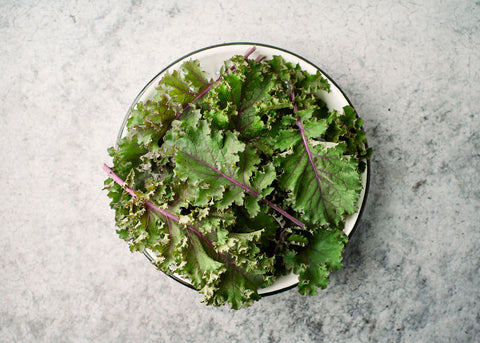
Scarlet Kale earns its name with frilly leaves flushed red-purple, intensifying as temps drop. Flavor is mild and sweet, especially after frost. Packed with vitamins A, C, and K and anthocyanins.

Harvest baby leaves for salads or let plants size up for sautés. Sow spring and late summer, and keep picking to encourage new growth. Nutrition with a splash of color all season.

Every order is packed with care by our small team in Pennsylvania and typically ships within 2–3 business days—often by the next business day. We ship throughout the United States using USPS and UPS.

Unopened items may be returned within 30 days of delivery. If an order arrives damaged, incomplete, or incorrect, please contact us so we can make it right.

View Shipping Policy

We stand behind every packet we sell. Our seeds are carefully selected, tested for germination, untreated, and guaranteed to be true to variety.

Your seeds are covered for one year from the date of purchase. If they fail to germinate under reasonable growing conditions, arrive damaged, or do not grow true to type, contact us and we’ll make it right with a replacement, store credit, or refund.

View Refund, Return & Guarantee Policy

Previous
Next

NON-GMO

Open-pollinated varieties for home gardens & seed saving

UNTREATED SEED

Safe seed, free from chemical treatments

HAND PACKED IN PA

Prepared with care by our family and small team

100% SATISFACTION

Third-party lab tested and backed by our guarantee

Growing Guide

Kale is one of the oldest forms of cultivated cabbage, valued for generations because it keeps giving long after many garden crops have faded. Its sturdy leaves stand through cold rain and early frost, bringing deep green, blue-green, or purple color to the quiet edges of the growing season.

Varieties range from tightly curled and frilled types to broad-leaved, deeply textured, and slender-leaved forms. Kale is a cool-season biennial grown for its leaves, with the best flavor and tenderness developing through steady growth and cool weather.

Direct sow kale about 4–6 weeks before the expected last spring frost, or start seeds indoors 5–7 weeks before transplanting. Harden seedlings gradually and set them out about 2–3 weeks before the last frost.

For a fall crop, sow about 6–8 weeks before the expected first frost. Kale tolerates frost well, and cool weather often improves its flavor. Growth slows during sustained heat, when leaves may become tougher or more bitter.

Sow seeds about ¼–½ inch deep and keep the soil evenly moist until they emerge. Thin or transplant full-sized plants to about 12–18 inches apart, depending on the variety and the size of leaves desired.

Plants grown for baby leaves may be spaced much closer and harvested young. Staggered sowings can provide tender leaves over a longer season.

Choose a site with full sun, though kale tolerates some afternoon shade and may benefit from it as weather warms. Grow it in fertile, well-drained soil enriched with finished compost.

Keep moisture steady so new leaves remain tender, and mulch with straw, shredded leaves, or another organic material to cool the soil and reduce weeds. Maintain balanced fertility, but avoid overly lush growth that may be softer and more vulnerable to pests.

Begin harvesting baby leaves whenever they reach a useful size. For mature plants, pick the lowest outer leaves first and leave the center growing point intact so the plant continues producing.

Harvest regularly before older leaves become coarse or fibrous. Kale can remain productive through repeated light frosts and, with protection, may continue until the soil freezes hard. 

Kale provides fiber, calcium, folate, and vitamins A, C, and K. Its richly colored leaves also contain carotenoids such as beta-carotene and lutein, while purple varieties contain anthocyanin pigments.

Young leaves are tender enough for salads, while mature leaves are well suited to sautéing, roasting, soups, stews, pasta, and egg dishes. Remove thick central ribs when they are tough, or chop and cook them separately until tender.

Cabbageworms, loopers, and other caterpillars may chew holes in the leaves. Inspect both sides of the foliage regularly, remove eggs and caterpillars by hand, and protect young plants with insect netting where these pests are common.

Flea beetles, aphids, and slugs may also appear. Crop rotation, good airflow, clean beds, nearby flowers for beneficial insects, and watering near the soil help reduce pest and disease pressure. Remove leaves showing severe spotting, yellowing, or V-shaped lesions, which may indicate disease.  

Kale is an insect-pollinated biennial and usually flowers after exposure to winter cold. It crosses with other Brassica oleracea crops, including broccoli, cabbage, cauliflower, Brussels sprouts, collards, and kohlrabi.

Save seed from several healthy, true-to-type plants and grow only one flowering B. oleracea variety nearby, or provide generous isolation. Overwinter plants in the garden where conditions permit, or lift and store selected plants in a cool, humid place before replanting in spring.

Allow the seedpods to turn tan and dry, then cut the stalks before the pods begin shattering. Finish drying under cover, thresh and clean the seed, and store it in a cool, dark, dry place.

  • Harvest from the bottom upward and leave the center intact.
  • Grow a fall crop for the sweetest leaves.
  • Use light shade to extend spring harvests.
  • Protect seedlings before caterpillar damage begins.
  • Remove old brassica debris at the end of the season.