
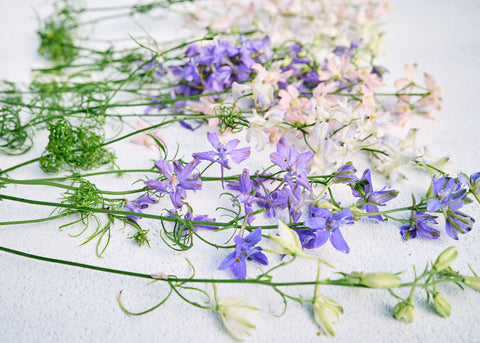


Imperial Blend - Larkspur Seeds
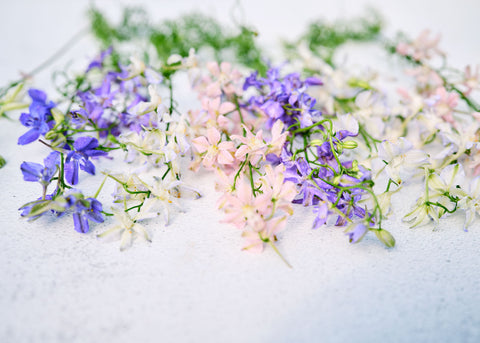
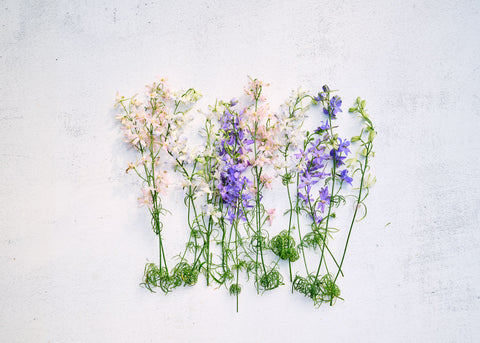
- Elegant flower spires in blue, pink, lavender, and white
- Fine foliage gives cool-season borders a soft texture
- Cut or dry tall stems for cottage-style arrangements
- 100–120 days from sowing to bloom
- Consolida ajacis
🌱 Sow with Confidence—One-Year Seed Guarantee
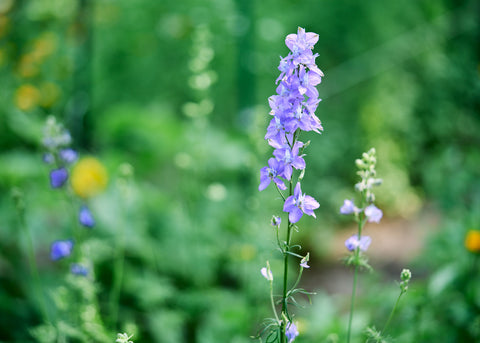
Imperial Blend larkspur sends up tall, elegant spires in a mix of blue, pink, lavender, rose, and white, giving the garden the upright beauty of a cottage border in bloom. The finely cut foliage and densely packed florets bring height, texture, and a cool-season softness that feels especially welcome before summer flowers take over.
These annual larkspurs are excellent for cutting and drying, with stems that add graceful vertical lines to bouquets. Sow in cool weather and let them do what larkspur does best: rise early, bloom beautifully, and leave a little old-garden magic behind.
Orders ship from Pennsylvania within 1–2 business days via USPS. Orders $79+ ship free within the contiguous United States.
Unopened items may be returned within 30 days. If something arrives damaged, incomplete, or incorrect, we’ll make it right.
We stand behind every packet. Our seeds are untreated, germination-tested, true to variety, and covered for one year from purchase.
If seeds arrive damaged, fail to germinate under reasonable growing conditions, or do not grow true to type, contact us and we’ll make it right with a replacement, store credit, or refund.
FAMILY OWNED
Hand packed in Pennsylvania by our family.
LAB TESTED
Third-party tested for reliable germination.
NON-GMO
Open-pollinated varieties for home gardens & seed saving.
UNTREATED SEED
Never coated with chemical seed treatments.
Larkspur Growing Basics

Larkspur has graced cottage gardens for centuries with its tall, graceful flower spikes and cool shades of blue, lavender, pink, purple, and white. Sometimes called annual delphinium, larkspur (Consolida ajacis, formerly Delphinium consolida) is prized for bringing elegant height and early-season color to borders, cutting gardens, and naturalistic plantings.
As one of the earliest flowers to bloom each season, larkspur thrives in cool weather and rewards early sowing with long stems that are exceptional for fresh bouquets and dried arrangements. Its nectar-rich flowers also attract bees and other beneficial insects, making it as valuable to pollinators as it is to flower growers.
Larkspur performs best when sown during cool weather. Direct sow seed outdoors in late fall where winters are mild, or sow in very early spring as soon as the soil can be worked. Exposure to winter cold or naturally cool spring soils often improves germination.
Larkspur does not tolerate summer heat well during establishment, making early planting the key to healthy plants and abundant blooms.
Direct sow seeds about ¼ inch deep into prepared soil. Larkspur develops a taproot and generally dislikes transplanting, so direct sowing produces the strongest plants.
Keep the soil evenly moist until germination, which typically occurs in two to three weeks under cool conditions. Thin seedlings to 8–12 inches apart to promote sturdy stems and good air circulation.
Plant larkspur in full sun with fertile, well-drained soil. Cool spring temperatures encourage vigorous growth and long flower spikes, while hot summer weather naturally signals the end of its flowering season.
Water regularly during dry spells but avoid overly wet soil. Taller varieties may benefit from light support, particularly in windy locations or cutting gardens.
Larkspur is an excellent companion flower for pollinator gardens, attracting bees, bumblebees, butterflies, and other beneficial insects. Its upright flower spikes combine beautifully with bachelor’s buttons, foxgloves, snapdragons, and other cool-season flowers.
Harvest flower spikes when the lower one-third to one-half of the florets have opened. The remaining buds continue opening after cutting, providing excellent vase life.
Larkspur also dries exceptionally well. Harvest stems before flowers begin dropping naturally and hang them upside down in a warm, dry location with good airflow.


