


Borage Seeds
🚚 FREE SHIPPING for all orders over $79!
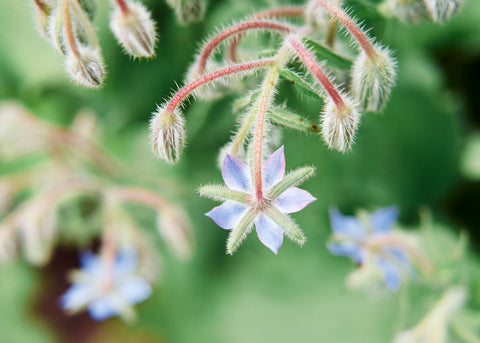
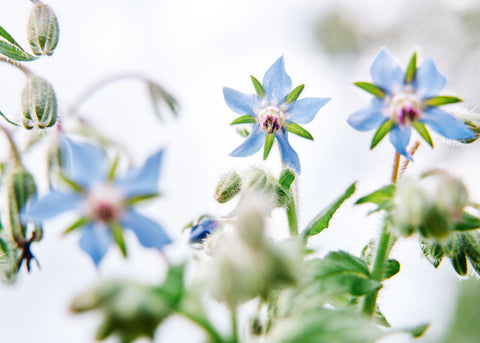
Borage is a vigorous, fast-growing herb that brings utility and beauty to the garden. Its star-shaped blue flowers, with the occasional pink bloom, taste subtly of cucumber and make a striking garnish for salads, cold drinks, and desserts. The fuzzy leaves and stems are also edible—traditionally used in teas or chopped young into summer dishes. Plants grow large and branch freely, producing hundreds of flowers over a long season and drawing bees and butterflies in droves. Borage is a reliable companion plant, known to benefit nearby crops like tomatoes and squash. Easy to grow, quick to impress, and a favorite for pollinator strips and edible landscaping alike.
Plant seeds directly in the garden after average last frost date when soil has warmed up. Optimum soil temperature for seed germination is 60-80°f. Or, start seed indoors 3-5 weeks before transplanting into the garden. Transplant to the garden 1-2 weeks after your average last frost date. Borage is sensitive to transplant shock so carefully set in the garden. Harvest borage as it begins to flower. Dry under moderate heat with good air circulation.
Scientific name: borago officinalis
Days to maturity: 50-60
Seed depth: 1/4"
Days to sprout: 7-14
Plant spacing: 12"
Row spacing: 18-24"
Light requirements: sunny / partial shade
Plant height: 18-24"
Life cycle: annual
Frost hardy: no
NON-GMO
Open-pollinated seeds perfect for seed saving
HIGH QUALITY
Third-party lab tested to ensure strong germination and seed vitality
100% SATISFACTION
We'll make it right if there's a problem
HAND PACKED
Created with love in Pottstown, PA
ORGANIC SEED
140+ Organic and Certified Naturally Grown varieties available
FREE SHIPPING
Fast & free shipping on orders $79+
Growing Guide

Tomatoes are warm-season plants grown for everything from sweet cherry fruits and meaty slicers to richly flavored paste tomatoes. Determinate varieties grow to a more compact size and produce much of their crop over a shorter period, while indeterminate varieties continue growing, flowering, and setting fruit until frost.
Start seeds indoors, transplant after frost danger has passed, and give plants full sun, steady moisture, and support. A little care early in the season leads to vigorous plants and a long harvest of tomatoes gathered at their fullest color and flavor.
Start tomato seeds indoors about 6–8 weeks before the expected last spring frost. Transplant outdoors after frost danger has passed, the soil has warmed, and nighttime temperatures are consistently above about 50°F.
Tomatoes grow best in warm weather. Cold nights can slow growth and flowering, while prolonged heat above about 85°F during the day and 70°F at night may reduce fruit set.
Sow seeds about ¼ inch deep in a moist seed-starting mix. Keep the mix warm and evenly moist until seedlings emerge. A heat mat can greatly improve germination speed and uniformity by maintaining the warm soil temperatures tomato seeds prefer, especially in a cool room.
Once seedlings emerge, provide strong light to encourage sturdy, compact growth. Pot seedlings into larger containers as they grow, then harden them off gradually for 7–10 days before planting outdoors.
Space plants about 18–24 inches apart for closely trained or compact varieties and 24–36 inches apart for larger, spreading plants, with enough room for airflow and harvesting.
Choose a site with at least 6–8 hours of direct sun and fertile, well-drained soil. Tomato stems can form roots along buried portions, so leggy transplants may be planted several inches deeper than they grew in their containers.
Install cages, stakes, or trellising at planting time. Water deeply at soil level and aim for consistent moisture, especially while plants are flowering and fruit is developing. Mulch helps conserve moisture, suppress weeds, and reduce soil from splashing onto lower leaves.
Harvest tomatoes when they have developed the mature color expected for the variety and feel firm with a slight amount of give. Fully colored fruit usually offers the richest flavor, though tomatoes beginning to change color can finish ripening indoors.
Pick regularly and handle ripe fruit gently. Before frost, gather mature green tomatoes and allow them to ripen indoors in a single layer away from direct sunlight. Do not refrigerate fresh tomatoes unless necessary, since cold temperatures can reduce flavor and texture.
Inspect plants regularly for hornworms, aphids, flea beetles, and damaged fruit. Handpick large caterpillars and look beneath leaves for eggs or feeding damage.
Leaf spots, early blight, bacterial diseases, and other problems are reduced by rotating tomatoes and related crops, allowing good airflow, mulching beneath plants, and watering at soil level. Remove affected lower leaves and avoid working among wet plants. Consistent moisture also helps limit blossom-end rot and fruit cracking.
Save seed from fully ripe, healthy fruits of open-pollinated varieties. Scoop the seeds and surrounding gel into a labeled container, add a small amount of water if needed, and allow the mixture to ferment for about 3–4 days, stirring daily.
When fermentation is complete, add water and pour away floating pulp and poor seed. Rinse the sound seeds that settle to the bottom, then spread them in a thin layer to dry completely. Store fully dry seed in a labeled, airtight container in a cool, dark, dry place.
- Rotate tomatoes, peppers, eggplants, and potatoes to a different garden area whenever possible.
- Install supports when transplanting so roots are not disturbed later.
- Remove leaves touching the soil as plants grow.
- Water consistently rather than allowing the soil to swing repeatedly between very dry and very wet.
- Grow determinate or dwarf varieties in containers of at least 5 gallons with good drainage.
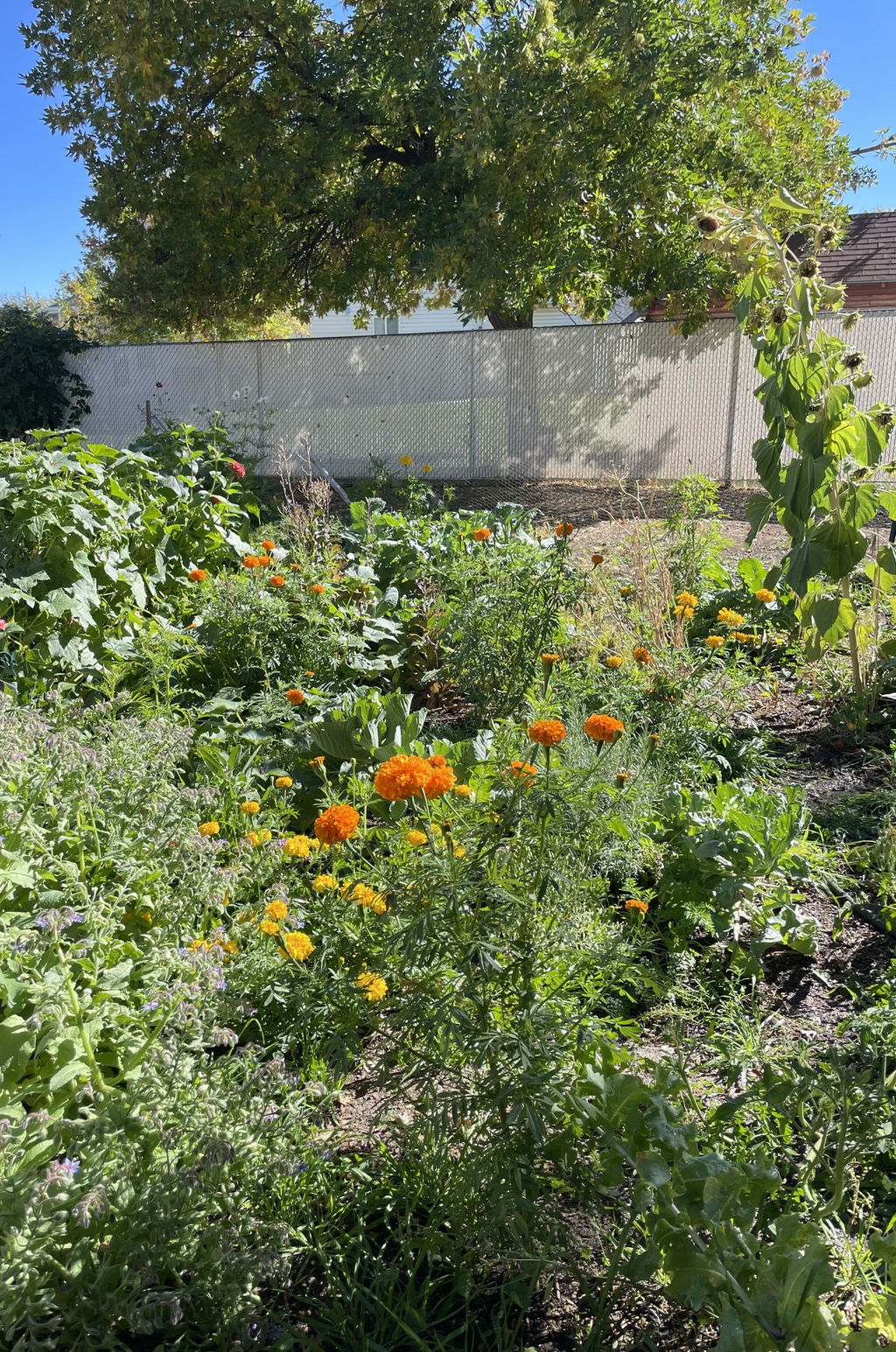
(USDA Zone 7a) Last year was my first time ever gardening. When I planted these borage seeds with my strawberries and string beans I did not know what to expect! They grew ABUNDANTLY AND WERE THRIVING! So many gorgeous flowers and they got massive!!! The bees truly absolutely loved them!! I seen about 15 bees doing their magic every single day!