

Catnip Seeds

SKU: HCP101
Open-Pollinated
Heirloom
Price:$3.95
Choose size

🚚 FREE SHIPPING for all orders over $79!

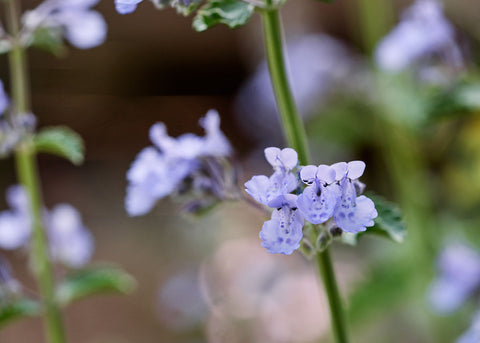
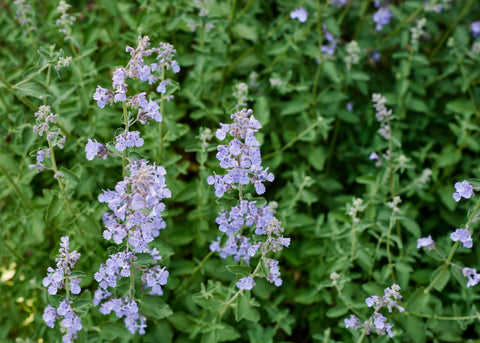
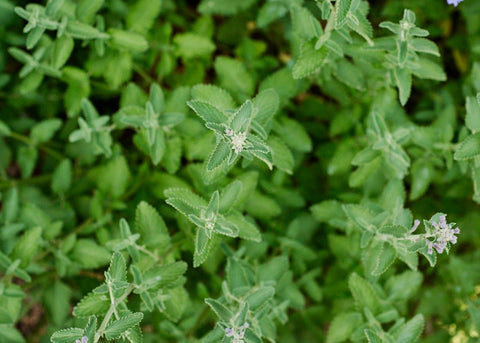
Catnip is a hardy perennial member of the mint family with soft gray-green leaves, square stems, and small pale flowers that bees visit readily. Best known for its famous effect on cats, it has also been grown in traditional herb gardens for tea and dried household blends.

Plants are easygoing and can spread when content, so give them a corner, container, or place where a little wandering is welcome. Harvest leafy stems before full bloom, dry them well, and expect the cats to inspect your work.

Every order is packed with care by our small team in Pennsylvania and typically ships within 2–3 business days—often by the next business day. We ship throughout the United States using USPS and UPS.

Unopened items may be returned within 30 days of delivery. If an order arrives damaged, incomplete, or incorrect, please contact us so we can make it right.

View Shipping Policy

We stand behind every packet we sell. Our seeds are carefully selected, tested for germination, untreated, and guaranteed to be true to variety.

Your seeds are covered for one year from the date of purchase. If they fail to germinate under reasonable growing conditions, arrive damaged, or do not grow true to type, contact us and we’ll make it right with a replacement, store credit, or refund.

View Refund, Return & Guarantee Policy

Previous
Next

NON-GMO

Open-pollinated varieties for home gardens & seed saving

UNTREATED SEED

Safe seed, free from chemical treatments

HAND PACKED IN PA

Prepared with care by our family and small team

100% SATISFACTION

Third-party lab tested and backed by our guarantee

Growing Guide

Catnip has been grown in herb gardens for centuries, known for its soft gray-green leaves, mint-family fragrance, and famous appeal to cats. Native to parts of Europe and Asia, it has long been used in traditional gardens for tea, pollinators, and everyday household usefulness.

In the garden, catnip is a hardy, easygoing perennial with small white to pale lavender flowers that bees and beneficial insects readily visit. It grows quickly once established, tolerates ordinary garden conditions, and can be harvested fresh or dried for tea blends, sachets, cat toys, and pollinator-friendly plantings.

Scientific name: nepeta cataria
Days to maturity: 85
Seed depth: surface-1/8"
Days to sprout: 7-14
Plant spacing: 12-18"
Row spacing: 18-24"
Light requirements: sunny / partial shade
Life cycle: perennial
Frost tolerance: hardy

Start catnip indoors about 6–8 weeks before the expected last spring frost, or direct sow after the danger of hard frost has passed. Seeds can be slow or uneven to germinate, and a brief period of cool, moist conditions may improve germination.

Transplant seedlings outdoors in spring once plants are sturdy and the soil can be worked. Established catnip is cold hardy in many regions and returns from the crown each year where winter conditions suit it.

Sow seeds shallowly, pressing them into the surface of moist seed-starting mix and covering only lightly. Keep the soil evenly moist until germination, which may take one to three weeks.

Provide strong light once seedlings emerge. Transplant young plants when they are well rooted, spacing them about 18–24 inches apart. Catnip can also be grown in containers, which may help keep spreading plants more contained.

Choose a site with full sun to light partial shade and well-drained soil. Catnip does not need rich ground and often grows best with moderate fertility and good drainage.

Water regularly while plants are becoming established. Once mature, catnip can tolerate short dry spells, though steady moisture supports better leaf growth. Cut plants back after flowering to encourage fresh foliage and a tidier second flush.

Because catnip belongs to the mint family, it can spread by seed and may volunteer where flower heads are allowed to mature. Deadhead if you want to limit self-sowing.

Harvest catnip leaves and tender stems once plants are well established and before or just as flowers begin to open. Cut stems several inches above the ground so plants can regrow.

Use fresh leaves for tea or dry stems in small bundles or on screens in a warm, airy place out of direct sun. Once fully dry, strip the leaves and flowers from the stems and store them in a sealed container away from heat and light.

Catnip is grown mainly as an aromatic herb rather than a food crop. Its leaves and flowers contain fragrant essential oils, including nepetalactone, the compound associated with catnip’s well-known effect on many cats.

Use dried catnip in cat toys, sachets, and tea blends. Fresh or dried leaves may also be added sparingly to herb mixtures. In the garden, its flowers help support bees and other beneficial insects.

Catnip is generally resilient and often has few serious pest problems. Aphids, spider mites, or leaf-chewing insects may appear in dry or stressed conditions.

Good spacing, full sun, airflow, and soil-level watering help reduce leaf spots and mildew. Avoid wet, poorly drained sites, especially for overwintering plants. Trim away old or declining stems to keep the planting healthy and open.

Catnip is a perennial herb in the mint family and is insect-pollinated. It may cross with other catnip plants of the same species, though most gardeners grow only one type.

Allow selected plants to flower and form seed. Seed heads mature gradually and may shatter when fully dry, so watch them closely as they turn brown. Cut stems when seed heads are dry but before much seed has dropped.

Finish drying the stems under cover in a warm, airy place. Rub or thresh the dry heads to release the small seeds, remove chaff, and store fully dry seed in a labeled container in a cool, dark place.

  • Start seeds early if germination has been slow in the past.
  • Grow in containers if you want to limit spreading or self-sowing.
  • Cut plants back after bloom for fresh new growth.
  • Dry leaves gently to preserve fragrance.
  • Leave a few flowers for bees and beneficial insects.