


Crimson Sweet - Organic Watermelon Seeds
🚚 FREE SHIPPING for all orders over $79!
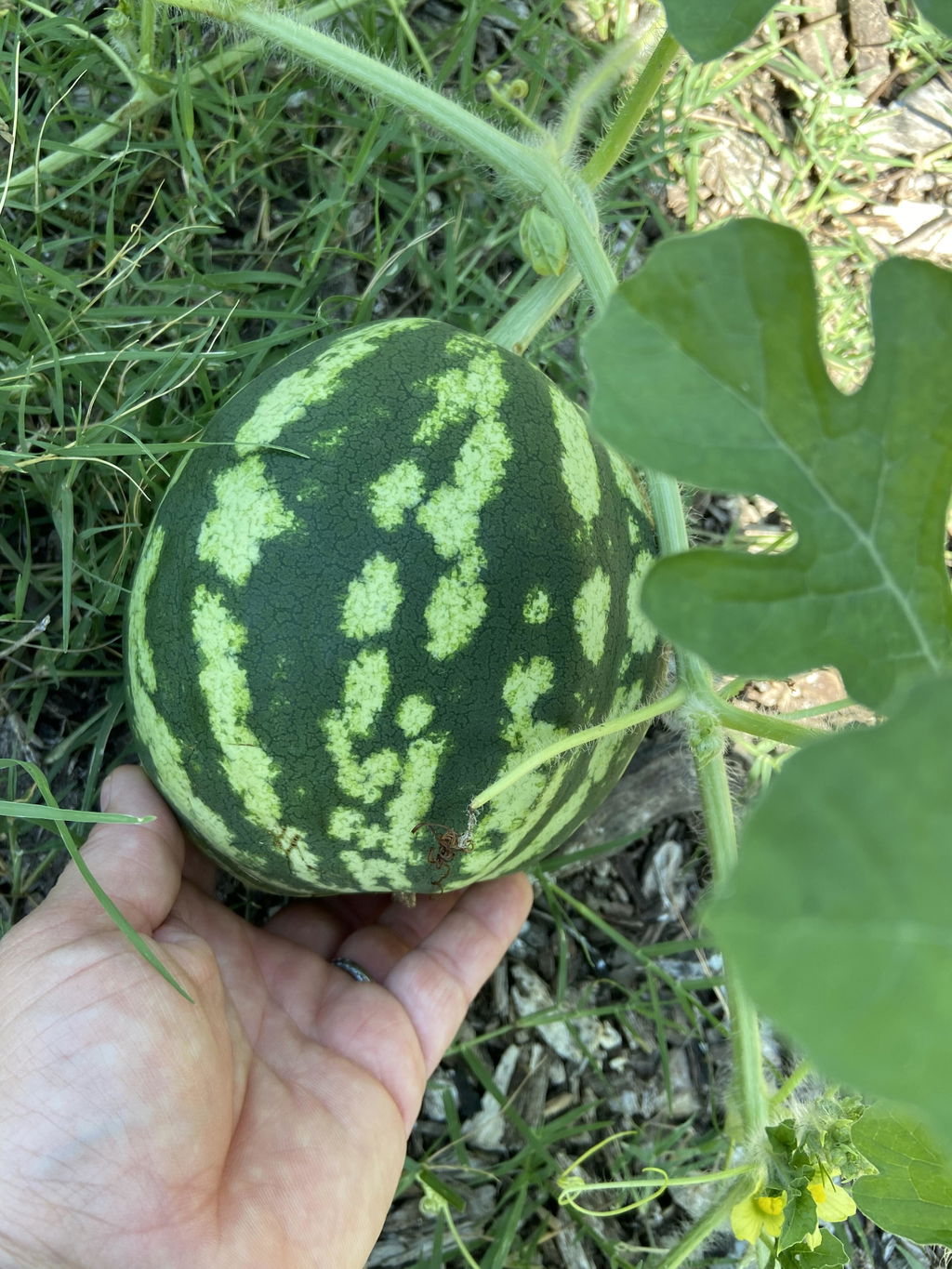
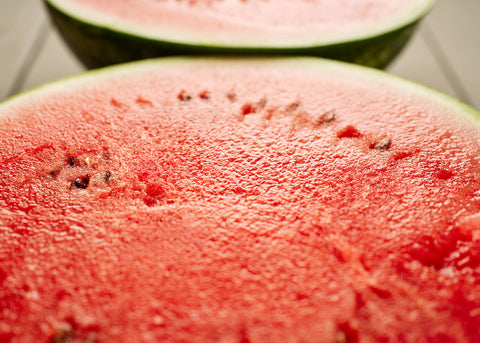
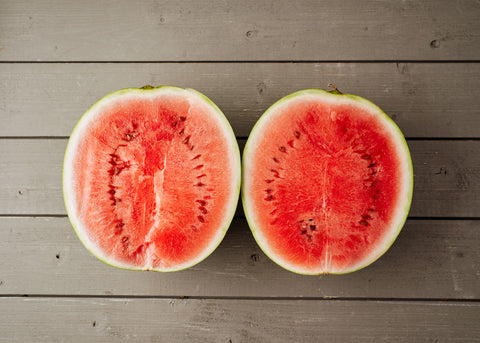
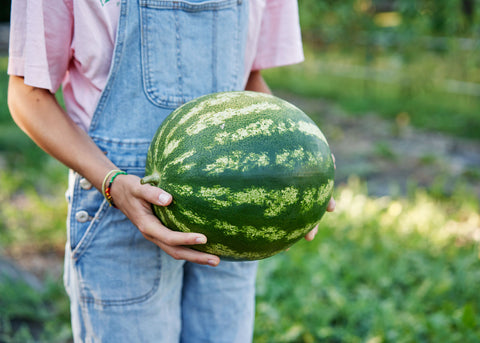
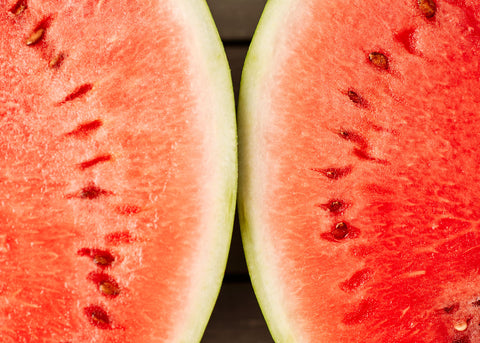
Crimson Sweet is the backyard standard: round-oval fruits with striped rinds, crisp scarlet flesh, and balanced sweetness. Bred in 1963 by Kansas State University, it’s still a favorite for its disease tolerance (Fusarium, Anthracnose) and consistent yields. Watermelons offer hydration and lycopene, especially in red types.
Sow in warm soil, thin to strong vines, and side-dress with compost when runners extend. Harvest when the bottom yellows and the nearest tendril curls brown. Slice thick wedges for cookouts or freeze chunks for smoothies—Crimson Sweet does picnic duty without fuss.
Every order is packed with care by our small team in Pennsylvania and typically ships within 2–3 business days—often by the next business day. We ship throughout the United States using USPS and UPS.
Unopened items may be returned within 30 days of delivery. If an order arrives damaged, incomplete, or incorrect, please contact us so we can make it right.
We stand behind every packet we sell. Our seeds are carefully selected, tested for germination, untreated, and guaranteed to be true to variety.
Your seeds are covered for one year from the date of purchase. If they fail to germinate under reasonable growing conditions, arrive damaged, or do not grow true to type, contact us and we’ll make it right with a replacement, store credit, or refund.
Direct seed 2 to 3 weeks after average last frost date and when daytime soil temperatures are near 70°f. Or, start watermelon seed indoors 3-4 weeks before your anticipated planting date. Set transplants in the garden 2 to 3 weeks after danger of frost has passed. Watermelon seedlings are tender. Do not disturb roots when transplanting, and water thoroughly. Optimum soil temperature for seed germination is 70-90°F. Delay transplanting until your soil has thoroughly warmed up in the spring. Watermelons are a true warm season crop and can benefit from planting on black plastic and/or using row covers.
Scientific name: citrullus lanatus
Days to maturity: 90
Seed depth: 1"
Days to sprout: 5-10
Plant spacing: 24-48"
Row spacing: 4-6'
Light requirements: sunny
Plant height: 6-12"
Life cycle: annual
Frost hardy: no
NON-GMO
Open-pollinated varieties for home gardens & seed saving
UNTREATED SEED
Safe seed, free from chemical treatments
HAND PACKED IN PA
Prepared with care by our family and small team
100% SATISFACTION
Third-party lab tested and backed by our guarantee
Growing Guide

Watermelon began in the warm regions of Africa, where its juicy flesh offered food and precious water beneath a hard rind. Centuries of selection have given us melons large and small, round and oblong, with flesh ranging from familiar red to pink, orange, yellow, and nearly white.
Few harvests feel more like summer than carrying a sun-warmed melon from the garden. Watermelon is a heat-loving annual that needs warm soil, full sun, room to ramble, dependable pollination, and enough uninterrupted summer to ripen fully on the vine.
Direct sow after frost danger has passed, the soil has warmed to at least 65°F, and nights remain reliably mild. Watermelon is sensitive to cold and gains little from being planted into chilly ground.
In shorter seasons, start seeds indoors about 2–3 weeks before transplanting. Choose early or smaller-fruited varieties where summers are brief, and allow roughly 70–100 days for most varieties to mature.
Sow seeds about 1 inch deep. Space plants approximately 2–4 feet apart in rows 6 feet apart, giving vigorous vines room to spread without competing with nearby crops.
When starting indoors, sow each seed in its own container and transplant while plants are still young, usually with no more than two or three true leaves. Harden them gradually and disturb the roots as little as possible.
Choose the warmest, sunniest part of the garden and provide loose, well-drained soil enriched with finished compost. Watermelons need full sun to develop their best sweetness and may ripen slowly where vines are shaded.
Water deeply during vine growth, flowering, and early fruit development. Reduce watering somewhat as melons near maturity, while avoiding severe drought. Mulch after the soil has warmed to conserve moisture, suppress weeds, and keep fruit away from damp soil.
Male flowers appear before female flowers, and bees carry the pollen needed to set fruit. Flowering herbs and annuals nearby can help support a lively community of pollinators.
Watermelons must ripen fully on the vine because they do not become sweeter after harvest. Use several signs together rather than relying on thumping alone.
A ripe melon usually has a dry brown tendril nearest the fruit, a duller rind, and a ground spot that has changed from pale white to creamy or buttery yellow. Cut the stem rather than pulling the fruit from the vine.
Watermelon provides vitamin C, potassium, and modest amounts of fiber. Red and pink varieties contain lycopene, while yellow and orange types contain differing mixtures of carotenoid pigments.
Serve it fresh, add it to fruit salads and cold drinks, grill thick slices, or pair it with herbs, cucumbers, and salty cheeses. The rind can also be pickled, and mature seeds from suitable varieties may be cleaned and roasted.
Cucumber beetles, aphids, and squash bugs may feed on leaves or spread disease. Inspect vines regularly, remove pests and egg clusters by hand, use insect netting while plants are young, and uncover them once flowering begins so pollinators can reach the blossoms.
Crop rotation, healthy soil, generous spacing, and watering near the ground help reduce wilt, leaf spots, and fruit rots. Avoid planting watermelons or related vine crops in the same bed repeatedly, and remove badly diseased plants and old vines from the garden.
Watermelon is an annual, insect-pollinated crop. Varieties of Citrullus lanatus cross readily with one another, so grow only one flowering variety nearby or provide generous isolation when preserving pure seed.
Choose fully ripe fruit from healthy, true-to-type, open-pollinated plants. Scoop out the seeds, rinse away the flesh, and discard flat or poorly developed seed. Spread the sound seeds in a thin layer and dry them thoroughly before storage.
Store fully dry seed in a labeled, airtight container in a cool, dark place. Seedless watermelons do not produce dependable seed for saving and require a seeded pollinizer variety nearby to set fruit.
- Choose smaller-fruited varieties where summers are short.
- Give vines more room than they appear to need at planting.
- Protect young plants from cold nights and wind.
- Keep flowering habitat nearby for pollinators.
Very happy with my orders.i received all my seeds today. Thank you very much.i will be ordering more soon.
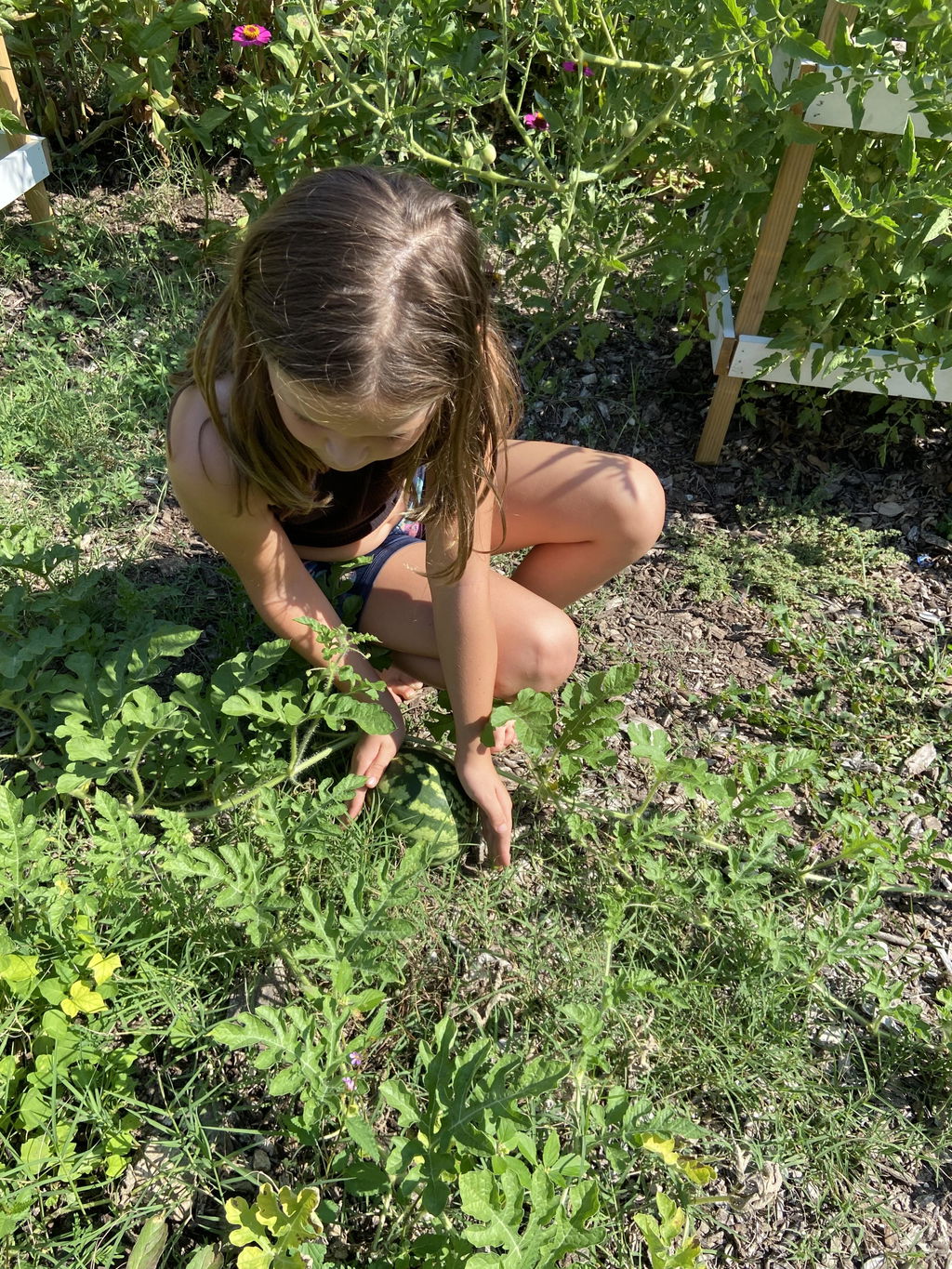
I only planted 6 plants and I have 10 watermelons currently. Can’t wait for them to ripen so we can try them out. Zone 8- Texas
Unfortunately with the drought and heat in Texas I have not planted any seeds at this time
Thank you for your review, Dawn. I'm sorry to hear that you haven't been able to plant any Crimson Sweet Watermelon Seeds due to the drought and heat in Texas this year. We hope things improve soon so you can get planting!