



True Hyssop - Herb Seeds
🚚 FREE SHIPPING for all orders over $79!
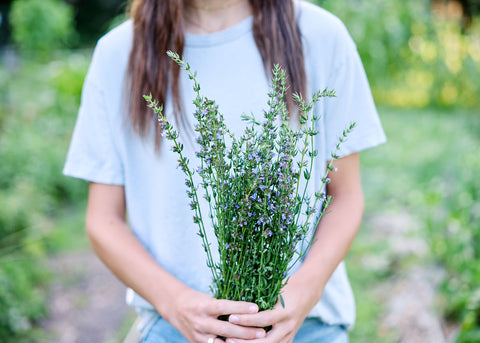
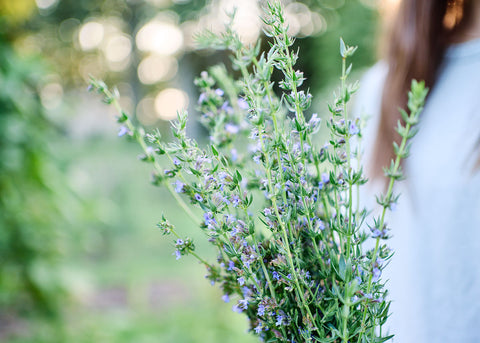
True hyssop is an old perennial herb with narrow aromatic leaves and upright spikes of blue-purple flowers that bees work with real devotion. Long grown in monastery and cottage gardens, it carries a clean, resinous fragrance and a place in traditional tea and apothecary plantings.
The plants are compact, drought-tolerant once established, and well suited to borders, herb beds, pollinator strips, and sunny containers. Cut flowering stems for drying, or let them stand and watch the garden come alive around them.
Scientific name: Hyssopus officinalis
Life cycle: Perennial
Days to maturity: 80-90 days from sowing
Plant height: 12-24"
Growth habit: Upright
Every order is packed with care by our small team in Pennsylvania and typically ships within 2–3 business days—often by the next business day. We ship throughout the United States using USPS and UPS.
Unopened items may be returned within 30 days of delivery. If an order arrives damaged, incomplete, or incorrect, please contact us so we can make it right.
We stand behind every packet we sell. Our seeds are carefully selected, tested for germination, untreated, and guaranteed to be true to variety.
Your seeds are covered for one year from the date of purchase. If they fail to germinate under reasonable growing conditions, arrive damaged, or do not grow true to type, contact us and we’ll make it right with a replacement, store credit, or refund.
FAMILY OWNED
Hand packed in Pennsylvania by our family.
LAB TESTED
Third-party tested for reliable germination.
NON-GMO
Open-pollinated varieties for home gardens & seed saving.
UNTREATED SEED
Never coated with chemical seed treatments.
Hyssop Growing Basics

Hyssop is an old-world perennial herb with narrow aromatic leaves, upright flower spikes, and a long place in kitchen, medicinal, and cottage gardens. Native to parts of southern Europe and western Asia, it has been valued for its fragrance, blue-purple flowers, and usefulness in herb borders.
In the garden, hyssop is tidy, upright, and full of life when in bloom. Bees and butterflies visit the flowers readily, while the leaves can be used sparingly in teas, savory dishes, and traditional preparations. Once established, hyssop is a dependable perennial for sunny herb beds, pollinator plantings, borders, and dry garden edges.
Start hyssop indoors about 6–8 weeks before the expected last spring frost, or direct sow outdoors after the soil has warmed. Indoor starting usually gives small seedlings a better start, especially where spring weather is unpredictable.
Transplant after the danger of hard frost has passed and plants are well rooted. Established hyssop is perennial where winter conditions suit it, though young plants benefit from a full season to settle in before severe cold.
Sow seeds shallowly, about ⅛–¼ inch deep, in moist seed-starting mix. Keep evenly moist until germination, which may take one to three weeks.
Provide strong light and good airflow once seedlings emerge. Harden plants gradually before transplanting outdoors. Space plants about 12–18 inches apart, depending on the variety and intended use.
Hyssop can also be grown in containers, especially where drainage is excellent and plants receive plenty of sun.
Choose a site with full sun and well-drained soil. Hyssop does not need rich soil and often performs best in moderate to lean conditions with good drainage.
Water regularly while plants are establishing. Once mature, hyssop tolerates short dry periods and should not be kept constantly wet. Trim lightly after flowering to encourage fresh growth and keep plants compact.
Hyssop is a strong companion-style herb for pollinator and beneficial insect plantings. Its flowers attract bees, butterflies, hoverflies, and other helpful insects, making it useful near vegetable beds, orchard edges, herb gardens, and perennial borders.
Harvest young leaves and tender stems as needed once plants are established. For the best fragrance, cut in the morning after dew has dried.
For drying, harvest stems just before or as flowers begin to open. Hang small bundles or dry on screens in a warm, airy place out of direct sun. Once fully dry, strip leaves and flowers from the stems and store in a sealed container away from heat and light.
Just planted the other day. Looking forward to see them bloom.


