

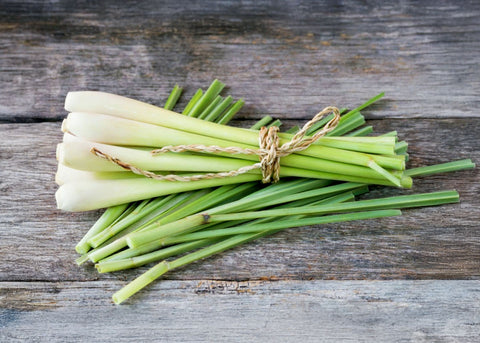
Lemongrass - Herb Seeds
🚚 FREE SHIPPING for all orders over $79!
Lemongrass grows tall, graceful clumps of strappy leaves with a fresh lemon fragrance and a flavor prized in soups, curries, teas, marinades, and broths. Though perennial in warm climates, it is often grown as an annual in northern gardens, where it brings a tropical look to beds and containers.
Harvest the tender lower stalks for cooking and use the leaves for fragrant teas or bundles. The plant asks for heat, moisture, and room to grow, rewarding the gardener with clean citrus scent and a surprisingly handsome silhouette.
Scientific name: Cymbopogon flexuosus
Life cycle: Tender perennial (Zones 9–11; grown as annual elsewhere)
Days to maturity: 70-90 (from transplant) days from sowing
Plant height: 24–48”
Every order is packed with care by our small team in Pennsylvania and typically ships within 2–3 business days—often by the next business day. We ship throughout the United States using USPS and UPS.
Unopened items may be returned within 30 days of delivery. If an order arrives damaged, incomplete, or incorrect, please contact us so we can make it right.
We stand behind every packet we sell. Our seeds are carefully selected, tested for germination, untreated, and guaranteed to be true to variety.
Your seeds are covered for one year from the date of purchase. If they fail to germinate under reasonable growing conditions, arrive damaged, or do not grow true to type, contact us and we’ll make it right with a replacement, store credit, or refund.
FAMILY OWNED
Hand packed in Pennsylvania by our family.
LAB TESTED
Third-party tested for reliable germination.
NON-GMO
Open-pollinated varieties for home gardens & seed saving.
UNTREATED SEED
Never coated with chemical seed treatments.
Lemongrass Growing Basics

Lemongrass is a tropical herb prized for its fresh citrus fragrance, graceful arching leaves, and wide range of culinary uses. Native to southern Asia, it has become an essential ingredient in Thai, Vietnamese, Indian, and Southeast Asian cooking, while also earning a place in herb gardens for its fragrance, ornamental beauty, and versatility.
In the garden, lemongrass forms impressive clumps of tall, fountain-like foliage that bring movement and texture to beds and containers. The thick, pale leaf bases are harvested for cooking, while the fragrant leaves are often used for teas, broths, infused syrups, and household projects. In warm climates it grows as a perennial, while in colder regions it is commonly grown as an annual or overwintered indoors.
Start lemongrass indoors about 8–10 weeks before the expected last spring frost. Because it thrives in warm weather, wait until both the soil and nighttime temperatures have warmed before moving plants outdoors.
Transplant after all danger of frost has passed. In colder climates, container-grown plants can be brought indoors before the first fall frost and grown through winter in a bright location.
Sow seeds on the surface of moist seed-starting mix and cover only lightly, as light helps encourage germination. Keep the soil consistently warm and evenly moist until seedlings emerge, which usually takes one to three weeks.
Provide strong light after germination and transplant seedlings into individual pots as they grow. Harden plants gradually before moving them outdoors. Space plants about 18–24 inches apart in garden beds or grow them in large containers with excellent drainage.
Choose a site with full sun and fertile, well-drained soil. Lemongrass grows most vigorously with warm temperatures, regular watering, and steady nutrients throughout the growing season.
Water deeply during dry periods but avoid waterlogged soil. A layer of mulch helps conserve moisture and suppress weeds while keeping the roots cool.
Lemongrass grows well alongside peppers, tomatoes, eggplant, basil, and other warm-season crops that enjoy similar growing conditions. Its flowers, when produced in suitable climates, attract pollinators, while the tall foliage also provides texture and height in mixed herb and vegetable gardens.
Harvest lemongrass once stalks reach about ½ inch thick near the base. Cut individual stalks at ground level, removing the tough outer leaves before using the tender inner portion.
Leaves may also be harvested for tea or broth, though they are usually removed before serving because of their coarse texture. Regular harvesting encourages fresh new growth throughout the growing season.


