


Marmalade - Rudbeckia Seeds
🚚 FREE SHIPPING for all orders over $79!
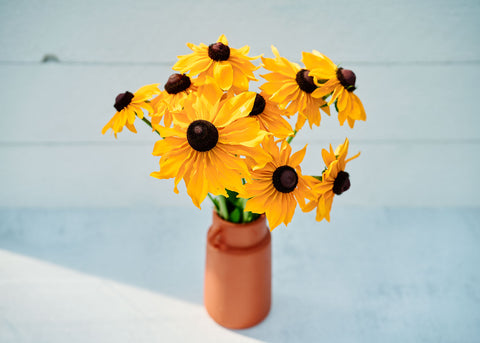
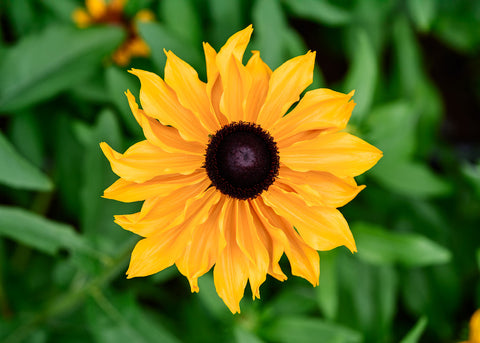
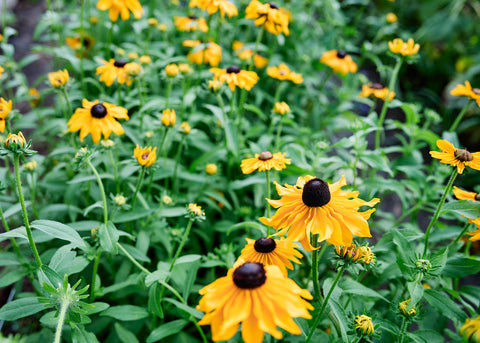
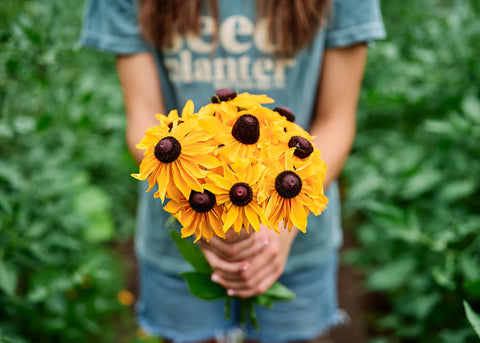
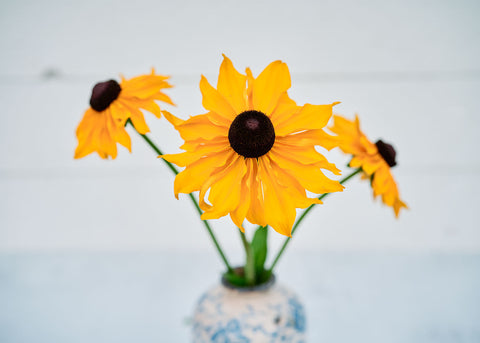
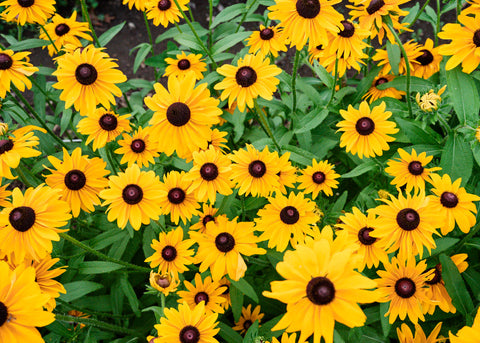
Marmalade rudbeckia produces large golden-orange blooms with dark centers, giving the garden that warm black-eyed Susan look in a brighter, richer shade. The daisy-like flowers rise on sturdy, compact plants and carry the color of late summer—sunlit, bold, and easy to see from across the yard.
Often grown as an annual, this short-lived perennial is a strong choice for borders, containers, pollinator plantings, and fresh bouquets. Marmalade keeps the garden glowing when the season starts to lean toward fall, bringing easy color with very little ceremony.
Scientific name: Rudbeckia hirta
Life cycle: Tender perennial
Days to bloom: 80-100 days from sowing
Plant height: 24"
Every order is packed with care by our small team in Pennsylvania and typically ships within 2–3 business days—often by the next business day. We ship throughout the United States using USPS and UPS.
Unopened items may be returned within 30 days of delivery. If an order arrives damaged, incomplete, or incorrect, please contact us so we can make it right.
We stand behind every packet we sell. Our seeds are carefully selected, tested for germination, untreated, and guaranteed to be true to variety.
Your seeds are covered for one year from the date of purchase. If they fail to germinate under reasonable growing conditions, arrive damaged, or do not grow true to type, contact us and we’ll make it right with a replacement, store credit, or refund.
FAMILY OWNED
Hand packed in Pennsylvania by our family.
LAB TESTED
Third-party tested for reliable germination.
NON-GMO
Open-pollinated varieties for home gardens & seed saving.
UNTREATED SEED
Never coated with chemical seed treatments.
Rudbeckia Growing Basics

Rudbeckia, commonly called black-eyed Susan, is a North American wildflower known for golden petals gathered around deep brown centers. Its cheerful, familiar blooms have long brightened meadows, roadsides, prairie plantings, and cottage gardens, carrying strong color from midsummer into fall.
The genus includes annual, biennial, and perennial forms, with varieties ranging from compact bedding plants to tall, branching flowers suited to cutting. Rudbeckia brings warm color, sturdy stems, and lasting usefulness to borders, bouquets, naturalized areas, and pollinator gardens, where the blooms feed bees and butterflies and the mature seed heads may draw birds later in the season.
Start rudbeckia indoors about 6–8 weeks before the expected last spring frost, or direct sow outdoors after the danger of hard frost has passed. Seeds germinate best in warming spring soil, and established plants thrive through summer heat.
Perennial varieties can also be sown in late summer or early fall in regions with adequate time for root establishment before winter. Many perennial types flower more heavily beginning in their second growing season.
Sow seeds about ⅛ inch deep in moist seed-starting mix or prepared garden soil. Keep the soil evenly moist until germination, which usually occurs within one to three weeks.
Provide bright light and good airflow after seedlings emerge. Harden indoor-grown plants gradually before transplanting. Space plants approximately 12–18 inches apart, allowing room for mature branching and good air circulation.
Choose a location with full sun and well-drained soil. Rudbeckia tolerates a wide range of soils and, once established, handles periods of heat and moderate drought remarkably well.
Water regularly during establishment, then only as needed during extended dry periods. Remove spent flowers to encourage continued blooming, or leave some seed heads standing later in the season for birds and winter interest.
Rudbeckia is one of the finest companion flowers for pollinator gardens. The blooms attract native bees, honeybees, butterflies, hoverflies, and other beneficial insects throughout summer, making it an excellent companion alongside vegetables, herbs, and other flowering annuals and perennials.
Harvest rudbeckia for bouquets when the flowers are fully open and the centers remain firm. Cut stems during the cool morning hours and place them immediately into fresh water.
Flowers also dry well for rustic arrangements. If growing for wildlife, allow many flower heads to mature naturally so birds can feed on the seeds throughout autumn and winter.
I typically will get over 80% success rate in germination with any seed I have ordered.


