

Roman - Chamomile Seeds
🚚 FREE SHIPPING for all orders over $79!
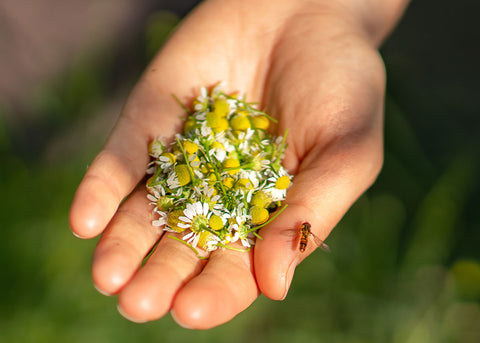
Roman chamomile is a low-growing perennial chamomile with ferny foliage, white daisy-like flowers, and a sweet apple-like fragrance. Long planted in herb lawns and traditional tea gardens, it has a softer, creeping habit than German chamomile and can form a fragrant mat where conditions suit it.
Harvest the blossoms for drying, or grow the plant as a small-scale groundcover along paths, herb beds, and container edges. It is a gentle-looking herb with an old garden soul, best where it can settle in and spread slowly.
Scientific name: Chamaemelum nobile
Life cycle: Perennial
Days to maturity: 60-70 days from sowing
Plant height: 10-16"
Every order is packed with care by our small team in Pennsylvania and typically ships within 2–3 business days—often by the next business day. We ship throughout the United States using USPS and UPS.
Unopened items may be returned within 30 days of delivery. If an order arrives damaged, incomplete, or incorrect, please contact us so we can make it right.
We stand behind every packet we sell. Our seeds are carefully selected, tested for germination, untreated, and guaranteed to be true to variety.
Your seeds are covered for one year from the date of purchase. If they fail to germinate under reasonable growing conditions, arrive damaged, or do not grow true to type, contact us and we’ll make it right with a replacement, store credit, or refund.
FAMILY OWNED
Hand packed in Pennsylvania by our family.
LAB TESTED
Third-party tested for reliable germination.
NON-GMO
Open-pollinated varieties for home gardens & seed saving.
UNTREATED SEED
Never coated with chemical seed treatments.
Chamomile Growing Basics

Chamomile has been grown for centuries as a gentle tea herb, loved for its small daisy-like flowers and soft apple-like fragrance. Long associated with cottage gardens, kitchen gardens, and traditional herbal cupboards, chamomile brings a quiet kind of usefulness to the garden.
Gardeners commonly grow two types: German chamomile, an annual that produces tall, airy plants and abundant flowers often dried for tea, and Roman chamomile, a lower-growing perennial also valued for tea, fragrance, groundcover, and soft garden edges. Both bring pollinators, delicate bloom, and old-fashioned beauty to herb gardens, edible flower beds, and quiet corners close to home.
Start chamomile indoors about 4–6 weeks before the expected last spring frost, or direct sow in early spring once the soil can be worked. Chamomile grows well in cool to mild weather and can often begin flowering before the strongest heat of summer.
German chamomile is usually grown as an annual and may also be sown in late summer or fall in mild climates. Roman chamomile is a perennial where winter conditions suit it, and young plants can be transplanted in spring after they are well rooted.
Chamomile seed is very small and needs light to germinate. Press seeds gently onto the surface of moist seed-starting mix or prepared garden soil, then cover only barely, if at all.
Keep the surface evenly moist until germination, which usually occurs within one to two weeks. Thin or transplant seedlings so plants have room to fill out. German chamomile can be spaced about 8–12 inches apart, while Roman chamomile may be spaced closer for a low, spreading planting or farther apart where individual plants are preferred.
Choose a site with full sun to light partial shade and well-drained soil. Chamomile does not need rich ground and often grows well in average garden soil.
Water regularly while plants are young. Once established, chamomile is fairly easygoing, though steady moisture supports better flowering and fresh growth. Keep the bed weeded early, since seedlings are small and delicate at first.
Harvesting flowers often encourages continued bloom on German chamomile. Roman chamomile can be lightly trimmed after flowering to keep plants tidy and encourage fresh growth. If some flowers are left to mature, chamomile may self-sow lightly where conditions are favorable.
Harvest chamomile flowers when the petals have opened and the yellow centers are fresh and fragrant. Pick on a dry day after dew has lifted.
Use flowers fresh, or dry them on screens in a warm, airy place out of direct sun. Once fully dry, store in a sealed container away from heat and light. German chamomile is often the heavier flower producer for dried tea, while Roman chamomile offers a lower, perennial harvest where it grows well.


