
Lavender - Organic Herb Seeds

SKU: HLR101
Open-Pollinated
Certified Organic
Heirloom
Price:$5.95
Choose size

🚚 FREE SHIPPING for all orders over $79!

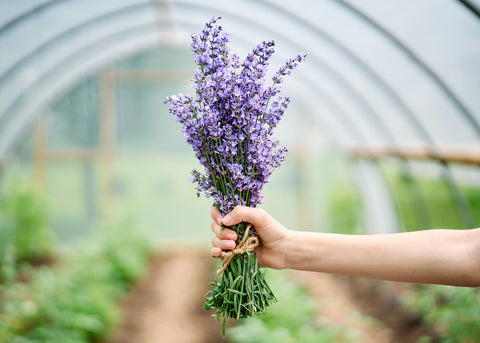
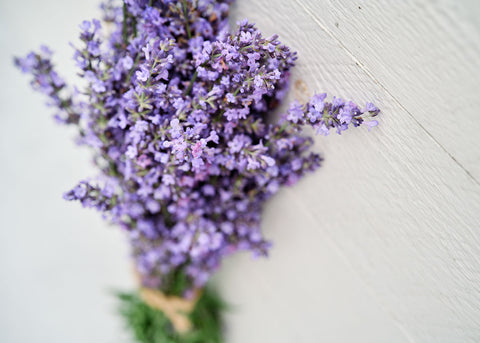
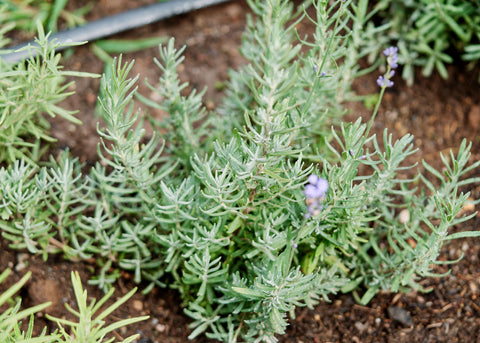
Lavender brings silver-green foliage, slender stems, and fragrant purple-blue flower spikes to herb beds, borders, and containers. This old-world perennial has long been grown in cottage gardens and apothecary plots for its scent, edible blossoms, dried stems, and steady pull on bees.

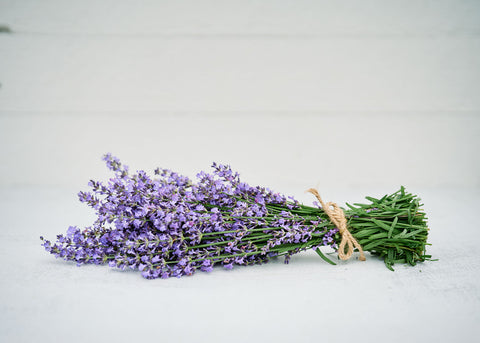
Use the blooms lightly in the kitchen—infused into honey, sugar, shortbread, tea, or lemonade—or dry the stems for sachets, wreaths, and homegrown bundles. Few plants make a garden feel more settled, sun-warmed, and alive with sound.

Every order is packed with care by our small team in Pennsylvania and typically ships within 2–3 business days—often by the next business day. We ship throughout the United States using USPS and UPS.

Unopened items may be returned within 30 days of delivery. If an order arrives damaged, incomplete, or incorrect, please contact us so we can make it right.

View Shipping Policy

We stand behind every packet we sell. Our seeds are carefully selected, tested for germination, untreated, and guaranteed to be true to variety.

Your seeds are covered for one year from the date of purchase. If they fail to germinate under reasonable growing conditions, arrive damaged, or do not grow true to type, contact us and we’ll make it right with a replacement, store credit, or refund.

View Refund, Return & Guarantee Policy

Previous
Next

NON-GMO

Open-pollinated varieties for home gardens & seed saving

UNTREATED SEED

Safe seed, free from chemical treatments

HAND PACKED IN PA

Prepared with care by our family and small team

100% SATISFACTION

Third-party lab tested and backed by our guarantee

Growing Guide

Lavender has been grown around the Mediterranean for centuries, cherished for its silver foliage, fragrant flower spikes, and usefulness in gardens, kitchens, sachets, oils, and dried arrangements. Few herbs carry such a strong sense of place, with scent rising from the leaves and flowers as soon as the plant is brushed by hand or warmed by the sun.

In the garden, lavender is a perennial herb that asks for light, air, and drainage more than rich soil or heavy care. It is beautiful along paths, in herb beds, borders, pollinator plantings, and containers, where its flowers support bees and its stems can be harvested for fragrance, tea blends, culinary use, crafts, and drying.

Scientific name: lavandula vera
Days to maturity: 100
Seed depth: surface-1/8"
Days to sprout: 14-21
Plant spacing: 12-18"
Row spacing: 24-36"
Light requirements: sunny
Plant height: 1-3'
Life cycle: perennial
Frost hardy: yes

Start lavender indoors about 10–12 weeks before the expected last spring frost. Lavender is slow from seed and may germinate unevenly, so starting early gives seedlings more time to establish before planting out.

For a simple cold treatment, place the unopened seed packet in the refrigerator for 1–2 weeks before sowing. This may help improve germination, though lavender can still be slow and irregular. Transplant outdoors after the danger of hard frost has passed and plants are well rooted.

Sow lavender seeds shallowly on the surface of moist seed-starting mix and cover only lightly. The seeds are tiny, so press them gently into the surface rather than burying them deeply.

Keep the mix evenly moist but not soggy. Germination can take several weeks, and seedlings are small at first, so patience is important. Provide strong light and good airflow once seedlings emerge.

Move seedlings into individual pots as they grow, then harden them gradually before transplanting. Space plants about 18–24 inches apart, depending on variety and mature size. Lavender can be grown in containers, but pots must drain freely.

Choose a site with full sun and very well-drained soil. Lavender performs best in lean to moderately fertile ground and often struggles in rich, wet, or heavy soil.

Water regularly while plants are establishing, then reduce watering once they are rooted. Mature lavender prefers to dry slightly between waterings. Mulch with gravel or leave the crown open rather than packing damp organic mulch around the stems.

Lavender pairs well with other sun-loving herbs and flowers and is especially useful in pollinator plantings. Its blooms attract bees, butterflies, and beneficial insects, while its tidy form works well near paths, vegetable garden edges, and perennial borders.

Prune lightly after flowering or in early spring to keep plants compact and woody stems from becoming too bare. Avoid cutting deeply into old wood with no green growth.

Harvest lavender stems when the flower buds are colored and just beginning to open. Cut in the morning after dew has dried and before the heat of the day.

For fresh use, place stems in water soon after cutting. For drying, bundle small handfuls and hang them upside down in a warm, airy, shaded place. Once dry, strip buds from the stems or store whole bundles away from heat, light, and moisture.

Lavender is valued for its fragrance, edible flowers, and long tradition in the home garden. Its blossoms contain fragrant essential oils and naturally occurring plant compounds that give lavender its familiar scent.

Use culinary lavender sparingly in teas, baked goods, syrups, honey, herb sugars, lemonades, and savory herb blends. Dried flowers are also useful in sachets, wreaths, bath herbs, soaps, candles, and dried arrangements. For kitchen use, choose lavender grown and handled for culinary or herb purposes.

Lavender usually has few pest problems when grown in the right conditions. Spittlebugs, aphids, or small chewing insects may occasionally appear, but healthy plants are generally resilient.

Most lavender problems come from poor drainage, heavy soil, overcrowding, or too much moisture. Good airflow, full sun, careful watering, and open crowns help reduce root rot, crown rot, and fungal issues.

Lavender is an insect-pollinated perennial. Different lavender varieties of the same species may cross if flowering near one another, and seed-grown plants can show natural variation in height, fragrance, flower color, and hardiness.

Select healthy, fragrant plants with the flower color, form, and growth habit you want to continue. Allow some flower spikes to mature fully and dry on the plant. The small seeds develop inside the dry flower heads.

Cut mature spikes before seed drops heavily and finish drying them under cover. Rub the dry flower heads to release the seed, remove chaff, and store fully dry seed in a labeled container in a cool, dark place.

  • Be patient; lavender is slow from seed.
  • Use cold stratification for more reliable germination.
  • Prioritize drainage over fertility.
  • Keep mulch away from the crown.
  • Harvest stems just as buds begin to open for the best drying quality.