


Blue Hopi - Corn Seeds
🚚 FREE SHIPPING for all orders over $79!
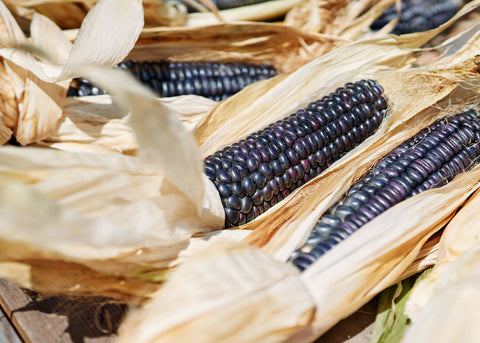
Blue Hopi corn is a traditional flour corn associated with Hopi agriculture, grown for ears of blue kernels that dry beautifully for cornmeal, flour, and ceremonial or decorative use. The plants carry a deep sense of place, connecting the garden to one of North America’s oldest cultivated crops.
This is not a sweet corn for fresh eating; let the ears mature and dry fully on the stalk before shelling. Ground into meal, the blue kernels bring color and old grain character to cornbread, tortillas, and homestead-style pantry projects.
Scientific name: Zea mays
Life cycle: Annual
Days to maturity: 85-105 days from sowing
Plant height: 5-6'
Every order is packed with care by our small team in Pennsylvania and typically ships within 2–3 business days—often by the next business day. We ship throughout the United States using USPS and UPS.
Unopened items may be returned within 30 days of delivery. If an order arrives damaged, incomplete, or incorrect, please contact us so we can make it right.
We stand behind every packet we sell. Our seeds are carefully selected, tested for germination, untreated, and guaranteed to be true to variety.
Your seeds are covered for one year from the date of purchase. If they fail to germinate under reasonable growing conditions, arrive damaged, or do not grow true to type, contact us and we’ll make it right with a replacement, store credit, or refund.
FAMILY OWNED
Hand packed in Pennsylvania by our family.
LAB TESTED
Third-party tested for reliable germination.
NON-GMO
Open-pollinated varieties for home gardens & seed saving.
UNTREATED SEED
Never coated with chemical seed treatments.
Corn Growing Basics

Corn was first domesticated in Mexico thousands of years ago and became one of the great food crops of the Americas. Indigenous growers developed many forms, including sweet corn for fresh eating, popcorn, flint and flour corn for grinding, and dent or field corn for dry grain, feed, and storage.
All types are warm-season, wind-pollinated plants that grow best in blocks rather than a single long row. Sow into warm soil, provide full sun and steady moisture, and allow enough time for the crop to reach the stage you plan to harvest—tender and milky for sweet corn, or fully mature and dry for grain corn.
Sow corn outdoors after frost danger has passed and the soil has warmed. Standard and dry corn types generally germinate well around 55–60°F, while supersweet corn performs best in soil closer to 65°F.
For a longer sweet-corn harvest, make successive sowings or grow varieties with different maturity dates. A practical method is to sow the next planting when the previous crop has three or four leaves.
Dry corn needs a longer season because the ears must mature fully on the stalk. Choose varieties that can finish before cold, wet fall weather arrives.
Direct sow seeds about 1–1½ inches deep in warm, moderately moist soil. Plant slightly deeper in light or sandy soil and shallower in cool, heavy soil.
Thin plants to about 8–12 inches apart, with rows roughly 30–36 inches apart. Plant at least three or four short rows together so wind-blown pollen can reach the silks more evenly.
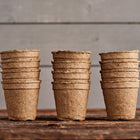
Corn usually performs best when direct sown. If the season is very short, start seeds in deep individual pots and transplant while seedlings are young and roots remain undisturbed.
Choose a site with full sun and fertile, well-drained soil. Corn is a heavy feeder and benefits from compost or balanced fertility before planting, followed by additional nitrogen when plants are about 8–12 inches tall.
Water consistently, especially from tasseling and silking through kernel fill. Moisture stress during this stage can lead to poorly filled ears or missing kernels.
Keep weeds controlled while plants are young, but cultivate shallowly to avoid damaging surface roots. Once the stand grows tall, the leaves shade much of the soil.
Sweet corn is ready when the silks are brown and dry, the husks remain green, and a pierced kernel releases a milky liquid. Harvest by twisting the ear downward and cool or use it soon after picking.
Dent, flour, flint, popcorn, and other dry corns are left on the stalk until the husks turn brown and the kernels become hard. Harvest before prolonged wet weather, pull back the husks, and finish drying the ears under cover with good airflow.
Popcorn must dry thoroughly before storage. Test a few kernels after curing; poor popping often means the kernels still contain too much moisture.


