


Early Golden Crookneck - Organic Summer Squash Seeds
🚚 FREE SHIPPING for all orders over $79!
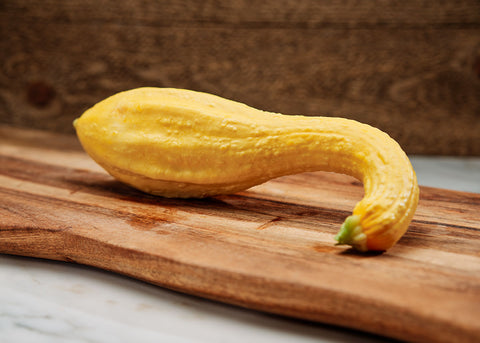
Early Golden Crookneck has curved, warted yellow fruits with creamy flesh and a buttery flavor that’s been loved since the 1700s. Bush plants bear early and heavily if you keep them picked small. Grill slices, pan-fry, or bake into casseroles.
Blossoms are edible. Direct sow after frost, mulch to retain moisture, and watch for squash vine borers. History, productivity, and flavor—this old crookneck still earns garden space.
Every order is packed with care by our small team in Pennsylvania and typically ships within 2–3 business days—often by the next business day. We ship throughout the United States using USPS and UPS.
Unopened items may be returned within 30 days of delivery. If an order arrives damaged, incomplete, or incorrect, please contact us so we can make it right.
We stand behind every packet we sell. Our seeds are carefully selected, tested for germination, untreated, and guaranteed to be true to variety.
Your seeds are covered for one year from the date of purchase. If they fail to germinate under reasonable growing conditions, arrive damaged, or do not grow true to type, contact us and we’ll make it right with a replacement, store credit, or refund.
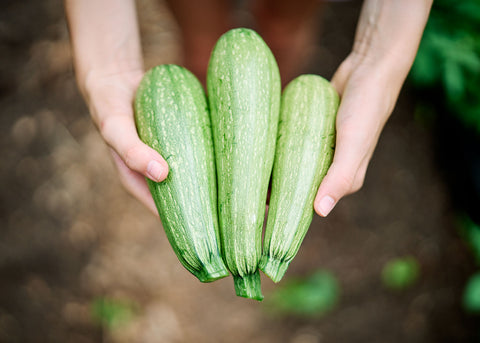
Plant seeds directly in the garden 1-2 weeks after average last frost date. Sow 3-5 seeds per hill, thinning to a final 2-3 plants per hill. Space between hills should be 3-6'. Optimum soil temperature for seed germination is 65-85 degrees. Or, start seed indoors 3-4 weeks before transplanting into the garden. Transplant to the garden 2 to 3 weeks after your average last frost. Squash grow best in a warm site with full sun. Warm soil is essential to good seed germination and emergence. Using transplants can speed production.
Scientific name: curcurbita pepo
Days to maturity: 42-60
Seed depth: 1"
Days to sprout: 7-14
Plant spacing: 24-36"
Row spacing: 3-4'
Light requirements: sunny
Plant height: 12-24"
Life cycle: annual
Frost hardy: no
NON-GMO
Open-pollinated varieties for home gardens & seed saving
UNTREATED SEED
Safe seed, free from chemical treatments
HAND PACKED IN PA
Prepared with care by our family and small team
100% SATISFACTION
Third-party lab tested and backed by our guarantee
Growing Guide

Squash has been cultivated in the Americas for thousands of years. Summer squash differs from winter squash mainly in when it is gathered: the fruits are harvested young, while the skin, seeds, and flesh are still tender. Zucchini, yellow crookneck, straightneck, cocozelle, and pattypan all belong to this broad group.
Most summer squash grows on compact, bushy plants that produce heavily once warm weather arrives. Sow into warm soil, leave plenty of room around each plant, and keep moisture steady through flowering and fruit development. Check the plants often—small fruits can reach harvest size in only a few days.
Sow outdoors after frost danger has passed and the soil has warmed to at least 60–65°F. Cold, wet soil slows germination and increases the chance of seed rot.
For an earlier start, sow indoors 2–3 weeks before transplanting. Move plants outside only after nights remain above about 50°F and the soil is warm.
In long-season areas, a second sowing in early or midsummer can replace older plants affected by pests or disease.
Direct sow seeds about 1 inch deep. Space bush varieties 24–36 inches apart, with enough room between rows for airflow and harvesting. For hill planting, sow several seeds and thin to the strongest two or three plants.
Start indoor seedlings in individual pots because squash roots dislike disturbance. Transplant while plants are small, usually with no more than two or three true leaves.
Keep the soil evenly moist during germination. Avoid saturated conditions, especially before seedlings emerge.
Choose a site with full sun and fertile, well-drained soil. Work compost into the bed before planting, but avoid excessive nitrogen, which can encourage leaves at the expense of flowers and fruit.
Water deeply at soil level whenever rainfall is lacking. Consistent moisture is especially important during flowering and fruit development. Mulch after the soil has warmed to conserve moisture and limit soil splash.
Squash produces separate male and female flowers. Male flowers usually appear first. If small fruits begin to grow and then yellow or rot, poor pollination may be the cause.
Harvest elongated squash such as zucchini and yellow squash when they are about 6–8 inches long and the skin is still tender. Pick pattypan types when they are roughly 3–4 inches across.
Check plants every day or two. Once pollinated, fruits can reach harvest size within a week. Frequent picking keeps the plants flowering and producing.
Cut fruits from the plant with a knife or pruners, leaving a short stem attached. Remove overlooked, oversized fruits even if they are no longer tender enough for the table.
Summer squash is a water-rich food that provides fiber, vitamin C, vitamin B6, folate, potassium, manganese, and antioxidant plant compounds. Yellow varieties contain carotenoid pigments, while green skins contribute chlorophyll and other phytonutrients.
Enjoy young squash raw, grilled, roasted, sautéed, stuffed, fermented, or added to soups and baked dishes. Tender blossoms are also edible and may be filled, fried, or added fresh to seasonal meals.
Squash vine borers can cause a healthy plant to wilt suddenly. Look for damaged stems and sawdust-like material near the base. Squash bugs, cucumber beetles, aphids, and cutworms may also feed on plants.
Use row cover over young plants where pests are common, but remove it when female flowers appear so pollinators can reach them. Check leaf undersides for squash bug eggs and remove them early.
Powdery mildew, bacterial wilt, viruses, and root rots may occur. Improve airflow, rotate crops, water at soil level, and remove badly affected plants. Avoid planting in low areas where water collects.
Summer squash is usually Cucurbita pepo and crosses readily with other varieties of the same species, including many pumpkins, acorn squash, and gourds. Grow only one C. pepo variety or isolate and hand-pollinate selected flowers to keep seed true to type.
Leave chosen fruits on the plant far beyond the eating stage. Seed is mature when the fruit is oversized, the rind is hard, and the stem begins to dry.
Cut the fruit open, scoop out the seeds, and rinse away the pulp. Spread the clean seeds in a single layer and dry them thoroughly for 1–2 weeks. Store fully dry seed in a labeled, airtight container in a cool, dark, dry place.
- Check plants daily once fruiting begins.
- Remove oversized fruit to keep new flowers forming.
- Use row cover early, then uncover plants for pollination.
- Plant a second crop where the season is long enough.
- Hand-pollinate female flowers when pollinator activity is low.
Great product!
Thank you so much for your review of our Early Golden Crookneck Summer Squash seeds, Samantha! We are delighted to hear that you enjoy growing this variety in your garden and we are grateful for your support. Please let us know if there's anything else we can do for you!


