
Italian Genovese - Organic Basil Seeds

SKU: HBL102-VP01
Open-Pollinated
Certified Organic
Heirloom
Price:$12.85
Choose size

🚚 FREE SHIPPING for all orders over $79!

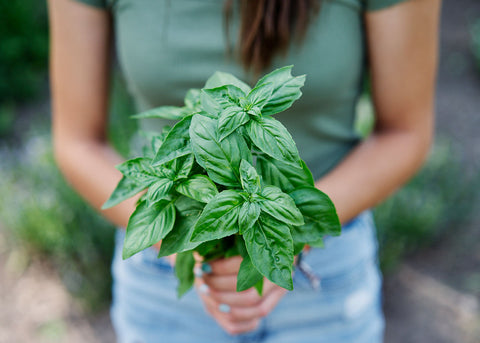
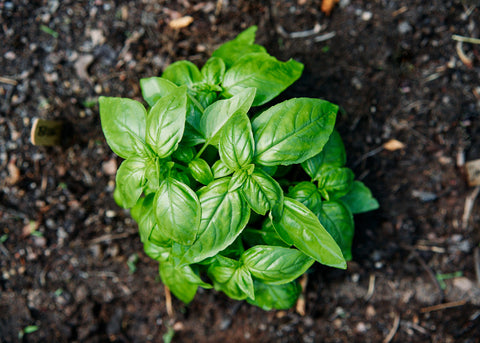
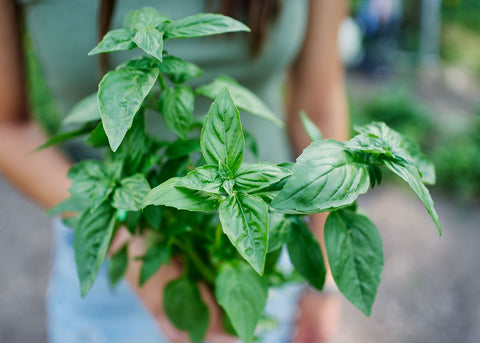
Italian Genovese basil is the classic pesto basil, grown for broad, glossy green leaves with a rich clove-like aroma and deep, sweet basil flavor. This heirloom kitchen staple has the rounded leaves and full fragrance gardeners expect from the basil of summer sauces, sliced tomatoes, and warm evenings by the cutting board.

Plants are productive with regular picking and fit easily into beds, containers, or a sunny spot near the door. Harvest the tips often to keep fresh growth coming, and let a few flower late for pollinators once the freezer is full of pesto.

Every order is packed with care by our small team in Pennsylvania and typically ships within 2–3 business days—often by the next business day. We ship throughout the United States using USPS and UPS.

Unopened items may be returned within 30 days of delivery. If an order arrives damaged, incomplete, or incorrect, please contact us so we can make it right.

View Shipping Policy

We stand behind every packet we sell. Our seeds are carefully selected, tested for germination, untreated, and guaranteed to be true to variety.

Your seeds are covered for one year from the date of purchase. If they fail to germinate under reasonable growing conditions, arrive damaged, or do not grow true to type, contact us and we’ll make it right with a replacement, store credit, or refund.

View Refund, Return & Guarantee Policy

Previous
Next

NON-GMO

Open-pollinated varieties for home gardens & seed saving

UNTREATED SEED

Safe seed, free from chemical treatments

HAND PACKED IN PA

Prepared with care by our family and small team

100% SATISFACTION

Third-party lab tested and backed by our guarantee

Growing Guide

Basil is one of the great warm-season herbs, loved for its fragrance, tender leaves, and deep connection to summer cooking. Native to tropical regions of Asia and Africa and long grown around the Mediterranean, basil has become a kitchen garden staple for pesto, sauces, salads, teas, garnishes, and fresh meals gathered close to home.

There are many kinds of basil, from classic Genovese types to purple, lemon, Thai, cinnamon, dwarf, and holy basil forms. Each brings its own scent, color, shape, and use. Basil grows quickly in warm weather and rewards regular harvest with fuller plants, more branches, and a steady supply of fresh leaves.

Scientific name: ocimum basilicum
Days to maturity: 68
Seed depth: 1/8-1/4"
Days to sprout: 7-10
Plant spacing: 8-12"
Row spacing: 18-24"
Light requirements: sunny
Plant height: 24-30"
Life cycle: annual
Frost hardy: no

Start basil indoors about 4–6 weeks before the expected last spring frost, or direct sow after all danger of frost has passed. Basil is tender and should not be planted outdoors until soil and nighttime temperatures have warmed.

For a longer harvest, sow or transplant in late spring and again in early summer. Basil grows best in warm weather and slows down when temperatures are cool.

Sow seeds about ¼ inch deep in moist seed-starting mix or prepared garden soil. Keep evenly moist until germination, which usually occurs within one to two weeks in warm conditions.

Provide strong light for indoor seedlings. Transplant after frost has passed, spacing most basil plants about 8–12 inches apart. Larger or more vigorous varieties may need additional room, while compact types can grow well in containers.

Choose a site with full sun, warm soil, and well-drained ground enriched with finished compost. Basil appreciates steady moisture, but it should not sit in wet soil.

Pinch or cut the growing tips once plants are established to encourage branching. Harvest regularly above a leaf pair, taking small amounts often rather than stripping the plant heavily all at once. Remove flower buds for the longest leaf harvest, or allow some plants to bloom for pollinators and seed saving.

Begin harvesting once plants are well established and have several sets of true leaves. Cut stems just above a leaf pair to encourage new side shoots.

Harvest in the cool part of the day for the best fragrance. Use leaves fresh, or preserve them by drying, freezing, blending into pesto, or packing into oil-based preparations for short-term refrigerated use. Basil is most tender before heavy flowering.

Basil provides vitamin K, small amounts of vitamin A, manganese, and aromatic plant compounds. Purple basil varieties also contain anthocyanin pigments, while many basils are rich in fragrant essential oils that give each type its distinct scent.

Use basil in pesto, tomato sauces, salads, soups, stir-fries, teas, vinegars, herb butters, marinades, and fresh garnishes. Thai, lemon, cinnamon, and holy basil types each bring their own flavor to the kitchen, tea garden, and herb bed.

Aphids, Japanese beetles, slugs, and caterpillars may feed on basil. Inspect leaves regularly and remove damaged growth as needed.

Good airflow, generous spacing, clean harvests, and watering near the soil help reduce leaf spots and mildew issues. Avoid overhead watering late in the day, and remove infected leaves rather than letting them remain on the plant.

Basil is an insect-pollinated annual. Different basil varieties can cross when flowering near one another, so grow only one variety for seed or provide generous isolation if you want to maintain a variety true to type.

Choose healthy, flavorful, true-to-type plants and allow them to flower fully. Seed heads mature from the bottom upward and turn brown when dry. Cut stems once much of the seed is mature, finish drying under cover, then rub or thresh the heads to release the small black seeds. Clean away chaff and store fully dry seed in a labeled container in a cool, dark place.

  • Wait for warm weather before planting outdoors.
  • Pinch early to encourage fuller plants.
  • Harvest often to delay flowering.
  • Grow extra plants if you want both leaves and seed.
  • Let a few basil plants bloom for bees and other pollinators.