National Pickling - Organic Cucumber Seeds

SKU: VCU104
Open-Pollinated
Certified Organic
Heirloom
Price:$5.65
Choose size

🚚 FREE SHIPPING for all orders over $79!

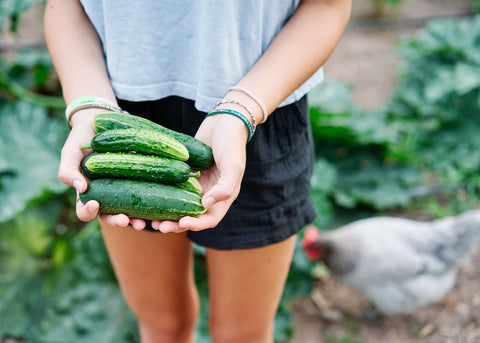
National Pickling was developed with the USDA in the 1920s for uniform, bumpy fruits that take brine like a champ. Harvest at 2–4" for crisp dills or let a few size up for fresh slicing. Vines are vigorous and benefit from a trellis for straight fruit and clean harvests. Cucumbers hydrate and offer silica; pickles add crunch to winter plates. Succession sow and pick often to keep vines pumping. This is the jar cucumber your grandmother trusted.

Plant seeds directly in the garden in the spring after the danger of frost has passed, roughly 1-2 weeks after the average last frost date and when daytime temps are near 70°f. Sow 5-6 seeds per hill and thin to 2-3 plants. Optimum soil temperature for seed germination is 65-80 degrees. For transplants, start seed indoors 3-4 weeks before transplanting into the garden. Transplant to the garden 2-3 weeks after your average last frost date. Harvest when small & pick daily. Mature cucumbers on the vine slow production of new fruit.

Scientific name: cucumis sativas
Days to maturity: 50-70
Seed depth: 1"
Days to sprout: 6-10
Plant spacing: 12"
Row spacing: 3-6'
Light requirements: sunny
Plant height: 18-24"
Life cycle: annual
Frost hardy: no

Previous
Next

NON-GMO

Open-pollinated seeds perfect for seed saving

HIGH QUALITY

Third-party lab tested to ensure strong germination and seed vitality

100% SATISFACTION

We'll make it right if there's a problem

HAND PACKED

Created with love in Pottstown, PA

ORGANIC SEED

140+ Organic and Certified Naturally Grown varieties available

FREE SHIPPING

Fast & free shipping on orders $79+

Growing Guide

Cucumbers are fast-growing, warm-season vines that produce crisp fruits for slicing, pickling, and fresh eating. Bush varieties fit smaller gardens and containers, while vining types benefit from a trellis.

Plant after the soil has warmed, provide consistent moisture, and harvest frequently. Once production begins, cucumbers can mature quickly and may need picking every few days.

Direct sow after frost danger has passed and the soil has warmed to at least about 60°F.

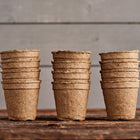
For an earlier start, sow indoors about 3–4 weeks before transplanting. Cucumbers dislike root disturbance, so use individual or biodegradable pots and transplant carefully.

Sow seeds about ½–1 inch deep. Plant 2–3 seeds together and thin to the strongest seedling, or space individual plants about 12 inches apart along a trellis.

Keep the soil warm and evenly moist during germination. A heat mat can improve speed and uniformity when starting seeds indoors in a cool room.

Harden seedlings gradually before transplanting outdoors.

Plant in full sun and fertile, well-drained soil. Provide a trellis for vining varieties to improve airflow, save space, and keep fruit cleaner.

Water deeply and consistently, especially during flowering and fruit development. Uneven moisture can produce misshapen or bitter fruit.

Mulch after the soil warms to conserve moisture and suppress weeds. Avoid disturbing the shallow roots.

Harvest while fruits are firm, evenly colored, and before they become oversized or yellow.

Pickling cucumbers are usually harvested small, while slicing varieties are allowed to grow longer. Check plants every 2–3 days during peak production.

Cut or gently twist fruits from the vine without damaging the stems. Frequent harvesting encourages continued production.

Watch for striped and spotted cucumber beetles, squash bugs, aphids, and vine damage. Floating row cover can protect young plants, but remove it when flowering begins so pollinators can reach the blossoms.

Powdery mildew, downy mildew, bacterial wilt, and leaf spots may occur. Rotate crops, provide good airflow, water at soil level, and remove badly diseased plants or foliage.

Save seed from healthy, fully mature fruit of open-pollinated varieties. Cucumbers intended for seed must remain on the vine well beyond the eating stage until they become large, soft, and yellow or brown.

Scoop the seeds and pulp into a container with a little water and allow them to ferment for about 2–3 days. Rinse away the pulp and floating seed, then dry the sound seeds thoroughly.

Cucumber varieties can cross with one another, so isolate varieties or hand-pollinate and protect blossoms when maintaining pure seed. Store fully dry seed in a labeled, airtight container in a cool, dark, dry place.

• Wait for warm soil before planting.
• Trellis vining varieties to save space.
• Keep moisture consistent during fruiting.
• Remove row cover once flowering begins.
• Harvest every few days during peak production.
• Do not allow overlooked fruit to become oversized.