Three Sisters Garden Seeds

The Three Sisters garden brings corn, beans, and squash together in one of the oldest companion planting traditions of North America. Corn offers height, beans climb and add food value, and squash spreads low across the soil with broad leaves and long-keeping fruit.

Choose Three Sisters garden seeds for open-pollinated corn, pole beans, and squash varieties that connect food, seed saving, and garden history. Certified organic and heirloom options are available for a planting with story, purpose, and a harvest that reaches beyond one crop.

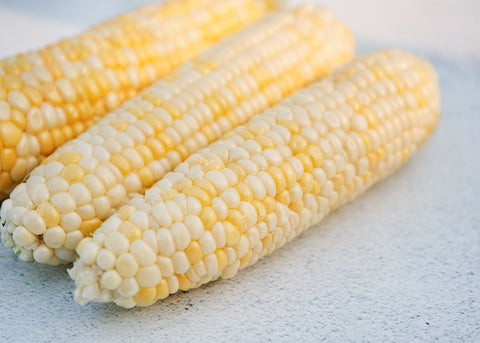
Who Gets Kissed - Corn Seeds - Certified Naturally Grown (CNG)
Price:$5.95
Sold Out New for 2026
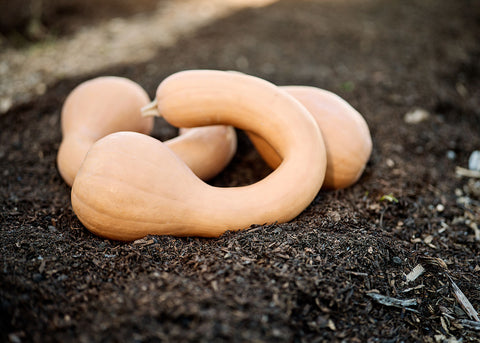
Pennsylvania Dutch Crookneck - Winter Squash Seeds - Certified Naturally Grown (CNG)
Price:$5.95
Choose size
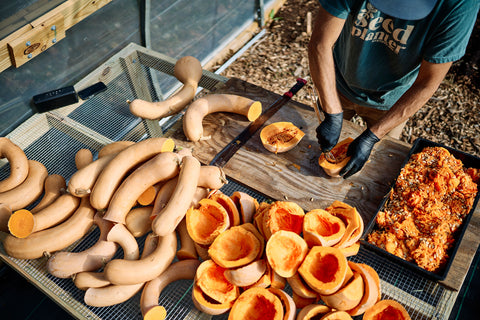
Chirimen - Winter Squash Seeds
Squash_Chirimen_Seeds_Bucktown Seed Company_03
Chirimen - Winter Squash Seeds
Sale price:$4.35 Regular price: $5.95
On Sale
Choose size
Red Kuri - Hubbard Winter Squash Seeds
Heirloom Seeds - Red Kuri Squash - Bucktown Seed Company-04
Red Kuri - Hubbard Winter Squash Seeds
Price:$3.95
Sold Out
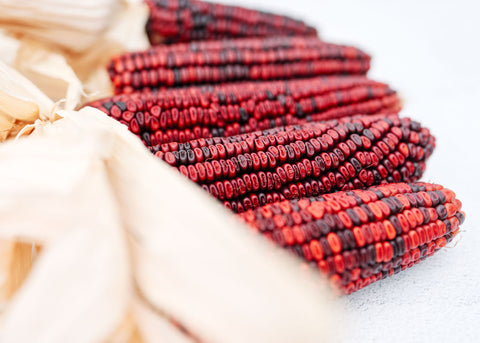
Bloody Butcher - Organic Corn Seeds
Price:$6.40
Sold Out
Marina di Chioggia - Winter Squash Seeds
Heirloom Seeds - Marina di Chioggia Squash - Bucktown Seed Company-02
Marina di Chioggia - Winter Squash Seeds
Price:$4.50
Sold Out

FAMILY OWNED

Hand packed in Pennsylvania by our family.

LAB TESTED

Third-party tested for reliable germination.

NON-GMO

Open-pollinated varieties for home gardens & seed saving.

UNTREATED SEED

Never coated with chemical seed treatments.

Growing a Three Sisters Garden

A Three Sisters garden grows in layers, following a Native American companion-planting tradition shaped through generations of agricultural knowledge. Corn rises first and creates a living framework, pole beans climb toward the light, and squash spreads across the ground in broad, sheltering leaves. Together, the planting becomes fuller, cooler at the soil surface, and rich with movement through the season.

Begin with sturdy corn planted in a block or clustered arrangement so the stalks can support one another and pollinate well. Once the corn is several inches tall and firmly established, sow pole beans nearby and place squash toward the outer edge, where its vines have room to travel. Giving the corn an early start helps it become strong enough to carry the beans as they climb.

Each crop contributes to the planting in a different way. Corn provides height and support, beans work with nitrogen-fixing bacteria in the soil, and squash leaves help shade the ground, suppress weeds, and slow moisture loss. Choose a sunny site with fertile, well-drained soil and enough space for the planting to expand into a living partnership rooted in Native American tradition.

Gardens Rooted in Tradition

Heirloom Garden Seeds

Heirloom Garden Seeds

Time-tested vegetables, herbs, flowers, grains, and fruits carrying rich flavor, living history, and a tradition worth growing forward.
Beginner Garden Seeds

Beginner Garden Seeds

Dependable vegetables, herbs, and flowers chosen for an approachable and rewarding start.
Medicinal Herb Garden Seeds

Medicinal Herb Garden Seeds

Traditional herbs for teas, infusions, salves, and a home apothecary rooted in practical garden use.

Three Sisters Garden Questions

The Three Sisters are corn, climbing beans, and squash grown together in a traditional companion planting. Corn provides height and structure, beans climb through the stalks, and squash spreads beneath them to shade the soil.

Choose a tall, sturdy corn, a true pole bean, and a vining winter squash. The corn should be strong enough to support climbing vines, while the squash should have room to spread around the edge of the planting.

Plant the corn first and allow it to grow several inches tall and become firmly rooted. About two to three weeks after the corn sprouts, sow the pole beans around the corn and plant the squash near the outer edge of the mound or block. The squash can be planted at the same time as the beans or a few days later, giving its vines room to spread without shading or overwhelming the young corn. Exact timing depends on soil temperature, weather, and the growth rate of the varieties being planted.

A traditional planting benefits from a sunny area with enough room for corn to grow in a pollinating group and squash vines to spread. Gardeners with limited space can use a smaller block or mound, but the planting still needs more room than a typical single-row vegetable bed.

Carry an American Growing Tradition Forward

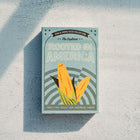
Rooted in America

Rooted in America

Six historic American varieties chosen for their flavor, character, and enduring place in gardens across the country.