Early Jersey Wakefield - Cabbage Seeds

SKU: VCE101
Open-Pollinated
Heirloom
Price:$3.95
Choose size

🚚 FREE SHIPPING for all orders over $79!

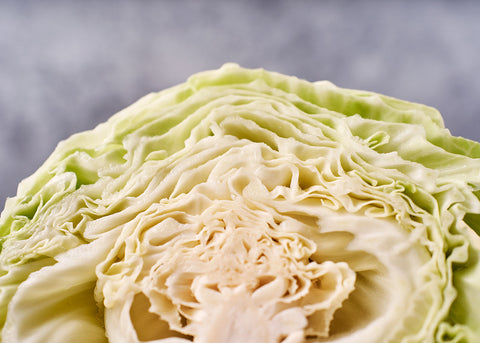
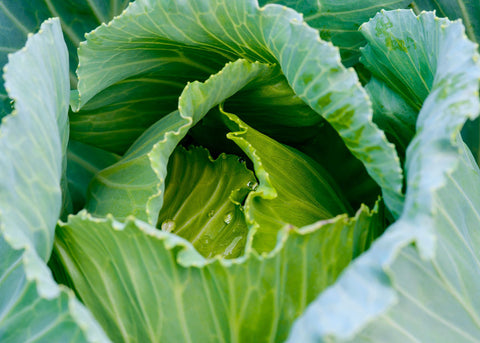
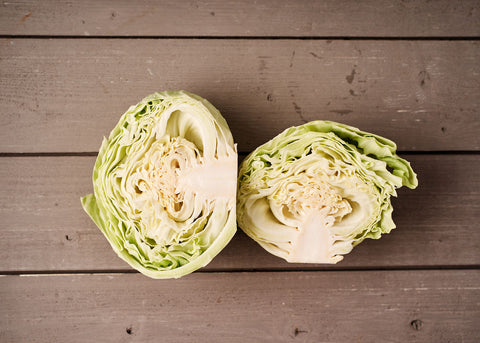
Early Jersey Wakefield is a 19th-century American heirloom with pointed, conical heads that mature fast—ideal for small gardens and early slaws. Sweet, crunchy leaves shine raw or lightly cooked. Cabbage brings vitamin C and gut-friendly fiber.

Start indoors, transplant early, and protect from flea beetles. Harvest when heads feel firm to the squeeze. Compact, quick, and tasty—exactly what an early cabbage should be.

Every order is packed with care by our small team in Pennsylvania and typically ships within 2–3 business days—often by the next business day. We ship throughout the United States using USPS and UPS.

Unopened items may be returned within 30 days of delivery. If an order arrives damaged, incomplete, or incorrect, please contact us so we can make it right.

View Shipping Policy

We stand behind every packet we sell. Our seeds are carefully selected, tested for germination, untreated, and guaranteed to be true to variety.

Your seeds are covered for one year from the date of purchase. If they fail to germinate under reasonable growing conditions, arrive damaged, or do not grow true to type, contact us and we’ll make it right with a replacement, store credit, or refund.

View Refund, Return & Guarantee Policy

For spring planting, start seed indoors 4–6 weeks before transplanting into the garden. Optimum soil temperature for germination is 50–85°F. Harden off seedlings before transplanting, and set plants in the garden 2–4 weeks before your average last frost date. If direct seeding, sow as soon as the soil can be worked in spring. For a fall harvest, set transplants about 6–8 weeks before your average first frost date. Cabbage grows best in fertile, well-drained soil with steady moisture. Harvest heads when they are firm and solid before they split.

Scientific name: brassica oleracea
Days to maturity: 65
Seed depth: 1/2"
Days to sprout: 4-10
Plant spacing: 9-24"
Row spacing: 2-3'
Light requirements: sunny
Plant height: 9-15"
Life cycle: biennial
Frost tolerance: hardy

Previous
Next

NON-GMO

Open-pollinated varieties for home gardens & seed saving

UNTREATED SEED

Safe seed, free from chemical treatments

HAND PACKED IN PA

Prepared with care by our family and small team

100% SATISFACTION

Third-party lab tested and backed by our guarantee

Growing Guide

Cabbage was developed from wild Mediterranean brassicas and has been cultivated for thousands of years. Varieties may form round, flat, pointed, or elongated heads in shades of green, red, and purple, while savoy types are known for their crinkled leaves.

Cabbage is a cool-season biennial usually grown as an annual. It forms its best heads through steady growth, even moisture, and mild temperatures.

Start seeds indoors about 5–7 weeks before transplanting. Set hardened spring plants outdoors roughly 2–4 weeks before the expected last frost.

Cabbage grows best in cool weather, generally around 60–65°F. For a fall harvest, count backward from the variety’s days to maturity and allow additional time for slower growth as days shorten. 

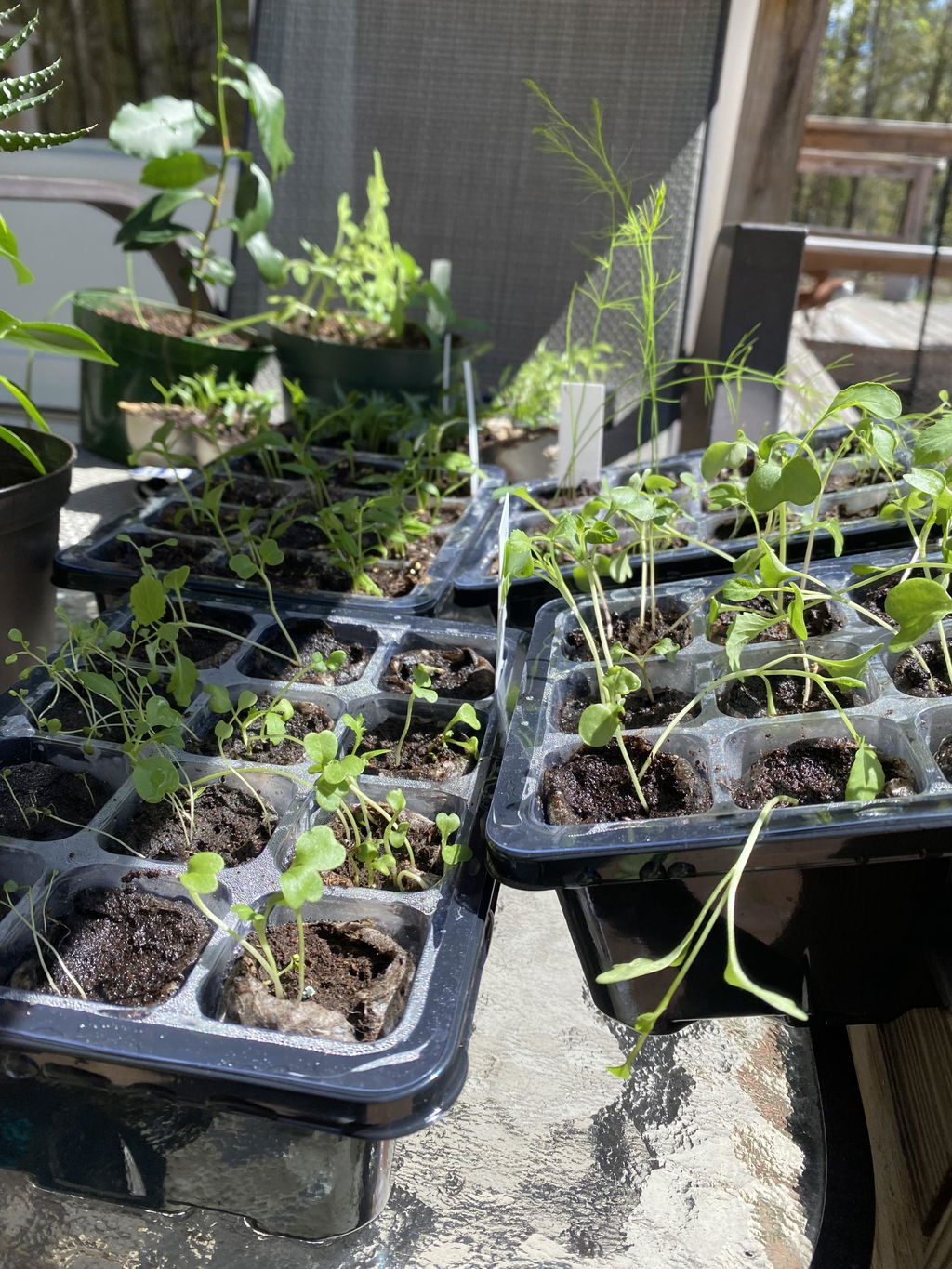
Sow seeds about ¼–½ inch deep in moist seed-starting mix. Provide bright light and cool, steady conditions after emergence to produce compact, sturdy seedlings.

Harden plants gradually before transplanting. Space compact varieties about 12–15 inches apart and larger storage types 18–24 inches apart. Wider spacing generally produces larger heads.

Choose a site with full sun and fertile, well-drained soil enriched with finished compost. Cabbage benefits from steady fertility, but excessive nitrogen can produce loose growth and delay firm head formation.

Keep the soil evenly moist, especially as heads begin to form. Mulch with straw, shredded leaves, or another organic material to conserve moisture, reduce weeds, and moderate soil temperature. Avoid deep cultivation around the shallow roots.

Harvest when heads feel firm and have reached a useful size for the variety. Cut through the stem just below the head, leaving a few outer wrapper leaves attached for protection.

Do not leave mature heads standing too long, especially after heavy rain, because they may split. Some plants will produce several small secondary heads if the lower stem and outer leaves remain in place.

Cabbage provides fiber, vitamin C, vitamin K, folate, and naturally occurring glucosinolates. Red and purple varieties also contain anthocyanin pigments.

Use cabbage raw in slaws and salads, sauté it, roast it, add it to soups and stews, or preserve it through fermentation. Different varieties range from tender and mild to dense and well suited for storage.

Cabbageworms, loopers, and other caterpillars may chew leaves and hide within forming heads. Inspect plants regularly, remove eggs and caterpillars by hand, and use insect netting from transplanting onward where these pests are common.

Flea beetles, aphids, slugs, and cutworms may also damage young plants. Crop rotation, clean beds, good airflow, soil-level watering, and nearby flowers that support beneficial insects help reduce pressure. Remove plants showing severe black rot symptoms and avoid working among wet foliage, since moisture can help spread disease.

Cabbage is an insect-pollinated biennial and usually flowers after winter cold. It crosses with other Brassica oleraceacrops, including broccoli, cauliflower, Brussels sprouts, collards, European kale, and kohlrabi.

Save seed from several healthy, true-to-type plants and grow only one flowering B. oleracea variety nearby, or provide generous isolation. In cold climates, lift selected heads before hard freezes and store them cool and humid with the roots attached. Replant in spring and cut an X into the top of firm heads if needed to help the flower stalk emerge.

Harvest the seed stalks when most pods have turned tan but before they shatter. Finish drying them under cover, then thresh, clean, and store the fully dry seed in a cool, dark place.

  • Fall cabbage often forms sweeter, denser heads than spring cabbage.
  • Use insect netting before caterpillar damage begins.
  • Keep moisture steady to reduce splitting.
  • Harvest promptly once heads become firm.
  • Rotate cabbage with crops outside the brassica family.