
Waltham Butternut - Organic Winter Squash Seeds

SKU: VSW101
Open-Pollinated
Certified Organic
Heirloom
Price:$5.65
Choose size

🚚 FREE SHIPPING for all orders over $79!

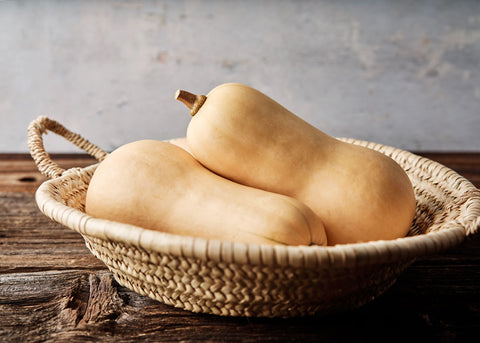
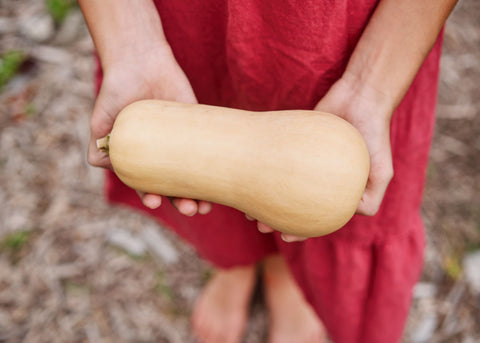
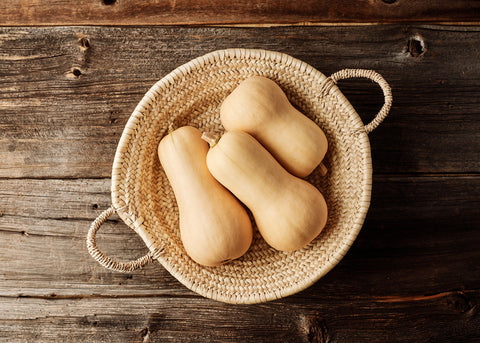
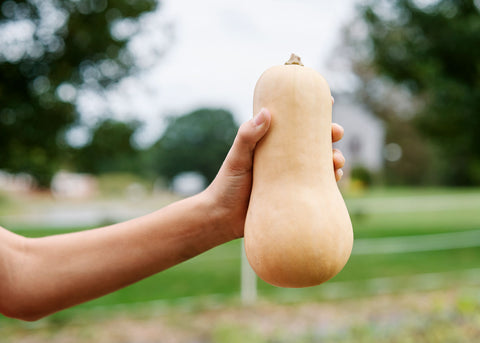
Waltham Butternut is the benchmark for butternut squash—uniform, tan fruits with small seed cavities and dense, sweet, nutty flesh that stores for months. Bred in Massachusetts in the 1960s, it still outperforms most hybrids for flavor and yield.

A source of beta-carotene and fiber, it’s the backbone of winter soups and roasts. Give vines space, mulch to hold moisture, and has a long place in traditional use. One planting, many winter dinners—that’s Waltham’s promise.

Every order is packed with care by our small team in Pennsylvania and typically ships within 2–3 business days—often by the next business day. We ship throughout the United States using USPS and UPS.

Unopened items may be returned within 30 days of delivery. If an order arrives damaged, incomplete, or incorrect, please contact us so we can make it right.

View Shipping Policy

We stand behind every packet we sell. Our seeds are carefully selected, tested for germination, untreated, and guaranteed to be true to variety.

Your seeds are covered for one year from the date of purchase. If they fail to germinate under reasonable growing conditions, arrive damaged, or do not grow true to type, contact us and we’ll make it right with a replacement, store credit, or refund.
View Refund, Return & Guarantee Policy

Start seed indoors about 3 weeks before transplanting into the garden. Optimum soil temperature for seed germination is 70–90°F. Transplant outdoors after danger of frost has passed, handling seedlings carefully to avoid root disturbance. Or, direct sow after danger of frost has passed, when soil is at least 60°F and preferably warmer. Sow in hills or rows, thinning after emergence. Winter squash grows best in full sun and warm, fertile soil. Warm soil is essential for good germination and early growth, and using transplants can speed harvest.

Scientific name: curcurbita moschata
Days to maturity: 105
Seed depth: 1"
Days to sprout: 5-10
Plant spacing: 24-36"
Row spacing: 6-8'
Light requirements: Full Sun
Plant height: Short Vine
Life cycle: Annual
Frost hardy: No

Previous
Next

NON-GMO

Open-pollinated varieties for home gardens & seed saving

UNTREATED SEED

Safe seed, free from chemical treatments

HAND PACKED IN PA

Prepared with care by our family and small team

100% SATISFACTION

Third-party lab tested and backed by our guarantee

Growing Guide

Winter squash and pumpkins have long marked the turning of the garden year, beginning as broad green vines in summer and ending as richly colored fruit gathered before frost. Their shapes range from small ribbed acorns and smooth pie pumpkins to long-necked squash, great blue-gray keepers, and sprawling heirloom varieties.

Unlike summer squash, these crops are allowed to mature fully on the vine. They need warm soil, generous space, reliable pollination, and a long season to develop hard rinds, sweet flesh, and good storage quality.

Direct sow after frost danger has passed, the soil has warmed to at least 65°F, and nights are reliably mild. Cold soil slows germination and increases the chance of seed decay.

In short-season climates, start seeds indoors about 3–4 weeks before transplanting. Avoid starting too early, since large seedlings become root-bound and transplant poorly. Choose varieties with enough time to mature before the first expected hard freeze.

Sow seeds about 1 inch deep. Plant two or three seeds together and thin to the strongest seedling after emergence, or sow individually at the final spacing.

Bush and compact types may need 3–4 feet between plants, while vigorous vines often need 4–6 feet or more. Allow ample room between rows, or guide vines along bed edges where they will not smother neighboring crops. When transplanting, handle the roots gently and plant at the same depth they grew in the pot. 

Choose a site with full sun and fertile, well-drained soil enriched with finished compost. Mulch after the soil has warmed to conserve moisture, suppress weeds, and protect developing fruit from direct contact with damp ground.

Water deeply and consistently, especially during flowering and fruit enlargement, while keeping the foliage as dry as practical. Avoid excessive nitrogen, which can produce vigorous vines with fewer flowers and fruit. Pumpkins and squash depend on insects to carry pollen between separate male and female flowers, so keep flowering habitat nearby and avoid disturbing pollinators.

Harvest when the fruit has reached its mature color, the rind resists a fingernail, and the stem has become dry and corky. Cut rather than pull the fruit, leaving several inches of stem attached, and handle carefully to avoid bruises or broken stems.

Gather the crop before a hard freeze. Cure sound fruit in a warm, dry, well-ventilated place for about 7–10 days, then store it in a cool, dry location with good airflow. Do not store damaged or soft fruit with sound keepers.

Winter squash and pumpkins provide fiber, potassium, vitamin C, and carotenoids. Deep orange varieties are especially rich in beta-carotene, while darker green and richly colored types contain additional plant pigments.

Roast, bake, steam, or simmer the flesh for soups, stews, breads, pies, curries, and side dishes. The seeds are also edible when cleaned and roasted. Culinary quality varies widely: pie and storage varieties usually have sweeter, denser flesh than pumpkins bred mainly for carving.

Squash bugs may gather beneath leaves and lay bronze-colored egg clusters along the veins. Inspect plants regularly, remove eggs, and clear old vines after harvest so fewer adults overwinter nearby.

Squash vine borer larvae may tunnel into stems and cause sudden wilting. Rotate planting areas, inspect vine bases, and bury healthy vine sections at leaf nodes to encourage additional roots. Good spacing, crop rotation, soil-level watering, and prompt removal of badly affected foliage help reduce powdery mildew, bacterial wilt, and other disease problems.

Squash and pumpkins are annual, insect-pollinated crops. Varieties within the same species cross readily, though different species often remain separate. Common cultivated species include Cucurbita pepoC. maximaC. moschata, and C. argyrosperma.

Save seed from fully mature, healthy, open-pollinated fruit. Grow only one variety of each species nearby or provide generous isolation. Cross-pollination will not change the current fruit, but it can produce unexpected plants in the next generation.

Scoop out the mature seeds, rinse away the pulp, and spread them in a thin layer to dry thoroughly. Store fully dry seed in a labeled, airtight container in a cool, dark place. 

  • Choose shorter-season varieties where summers are brief.
  • Place boards or dry mulch beneath fruit on damp soil.
  • Avoid lifting mature fruit by the stem.
  • Leave plenty of room before planting vigorous vines.
  • Cure only sound, fully mature fruit for storage.