

How to Grow Borage

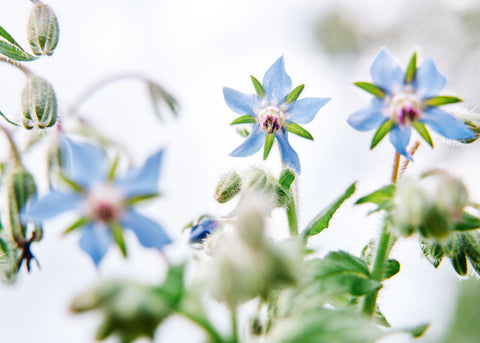
Borage is an old cottage garden herb with rough green leaves, nodding star-shaped flowers, and a long history in kitchen and medicinal gardens. Native to the Mediterranean region, it has been grown for centuries for its edible blue blooms, cucumber-like flavor, and generous welcome to bees.

In the garden, borage feels both useful and wild. The plants grow quickly, flower freely, and bring movement to herb beds, vegetable gardens, edible flower plantings, and pollinator spaces. It is usually grown as an annual, but once it finds a place it likes, it may self-sow and return in future seasons.

Growing Guide

Direct sow borage after the danger of frost has passed and the soil has begun to warm. It grows quickly in cool to mild spring weather and continues flowering into summer where conditions remain favorable.

For earlier blooms, borage can be started indoors a few weeks before the last frost, but direct sowing is usually easiest. The plants develop a taproot and do not enjoy being moved once established.

Sow seeds about ¼–½ inch deep in prepared garden soil. Keep the soil evenly moist until germination, which usually occurs within one to two weeks.

Thin seedlings to about 12–18 inches apart. Borage grows larger than many gardeners expect, so give it room to spread and flower. If starting indoors, use individual pots and transplant carefully while plants are still small.

Choose a site with full sun to partial shade and well-drained soil. Borage is adaptable and does not need rich ground to grow well, though compost before planting can support strong early growth.

Water young plants regularly until established. Mature plants tolerate short dry spells, but steady moisture encourages better leaf quality and longer flowering. Avoid overfeeding, which can create excessive leafy growth and weaker stems.

Borage may lean or sprawl as it matures. Allow it to weave naturally through a pollinator bed, or give plants light support if you want a tidier garden row.

Choose a site with full sun to partial shade and well-drained soil. Borage is adaptable and does not need rich ground to grow well, though compost before planting can support strong early growth.

Water young plants regularly until established. Mature plants tolerate short dry spells, but steady moisture encourages better leaf quality and longer flowering. Avoid overfeeding, which can create excessive leafy growth and weaker stems.

Borage may lean or sprawl as it matures. Allow it to weave naturally through a pollinator bed, or give plants light support if you want a tidier garden row.

Borage leaves and flowers contain minerals, small amounts of vitamins, and naturally occurring plant compounds. The edible flowers are most often used for their color, beauty, and mild cucumber-like flavor.

Use the flowers fresh in salads, lemonade, iced tea, cocktails, cakes, cheese boards, and frozen into ice cubes. The plant is also valued in pollinator gardens because its blooms are especially attractive to bees and other beneficial insects.

Borage is generally resilient and often grown more for attracting beneficial insects than for needing much protection itself. Aphids, caterpillars, slugs, or leaf miners may appear, especially on tender young growth.

Good spacing, airflow, and soil-level watering help keep foliage healthier. Remove badly damaged leaves if needed, and pull old plants once they decline to keep the garden clean.

Borage is an annual that flowers and sets seed in the same season. It is insect-pollinated and may cross with other borage plants of the same species, though most gardeners grow only one type.

Allow selected plants to flower and form seed. The mature seeds turn dark and drop readily, so watch the plants closely as the seed begins to ripen. Cut seed-bearing stems when the seeds are dark and firm, or place a cloth or tray beneath the plant to catch falling seed.

Finish drying the seed in a warm, airy place out of direct sun. Remove chaff and store the fully dry seed in a labeled container in a cool, dark place. Borage often self-sows if mature seed is allowed to fall in the garden.

  • Direct sow when possible to avoid disturbing the taproot.
  • Give plants more room than you think they need.
  • Harvest flowers often for fresh use and continued bloom.
  • Let a few flowers mature if you want volunteers next season.
  • Plant near vegetables or herbs to support pollinators and beneficial insects.