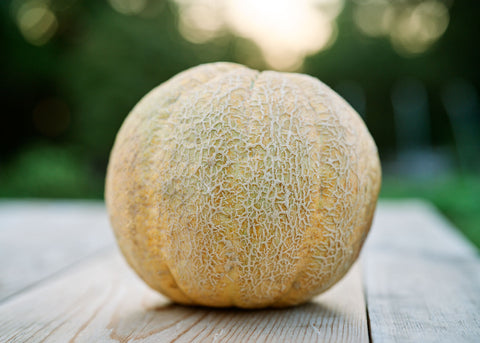

How to Grow Cantaloupe

Melons have traveled with gardeners for thousands of years, gathering the warmth of summer into fragrant, sweet fruit hidden beneath broad leaves. In American gardens, the word cantaloupe usually refers to the familiar netted, orange-fleshed type of muskmelon.

Other muskmelons include honeydew, Crenshaw, Casaba, and Armenian cucumber. Though their rind, flesh, and harvest cues differ, they share the same basic growing needs: warm soil, full sun, steady moisture, active pollinators, and enough summer heat to ripen well.

Growing Guide

Direct sow after frost danger has passed, the soil has warmed to at least 65°F, and nights remain reliably mild. Melons make little progress in cold soil and are easily checked by chilly weather.

In shorter seasons, start seeds indoors about 3–4 weeks before transplanting. Most varieties need roughly 70–100 days to mature, depending on the type and cultivar.

Sow seeds about 1 inch deep. Space plants roughly 18–24 inches apart in rows at least 4 feet apart, giving the vines room to spread and leaves enough air circulation.

When starting indoors, use individual containers and transplant while plants are still young. Harden them gradually and handle the roots carefully, since melons dislike disturbance. Wait for genuinely warm conditions rather than allowing seedlings to become oversized indoors.

Choose a site with full sun from morning through late afternoon. Shade slows ripening and can reduce sweetness, especially in regions with shorter summers.

Grow melons in loose, well-drained soil enriched with finished compost. Keep moisture steady during vine growth, flowering, and early fruit development, then avoid keeping the soil overly wet as fruit approaches maturity. Mulch after the ground has warmed to conserve moisture, suppress weeds, and keep melons away from damp soil.

Male and female flowers grow on the same vine, and insects carry the pollen needed for fruit set. Nearby herbs and flowers can help support the pollinators that turn blossoms into melons.

Choose a site with full sun from morning through late afternoon. Shade slows ripening and can reduce sweetness, especially in regions with shorter summers.

Grow melons in loose, well-drained soil enriched with finished compost. Keep moisture steady during vine growth, flowering, and early fruit development, then avoid keeping the soil overly wet as fruit approaches maturity. Mulch after the ground has warmed to conserve moisture, suppress weeds, and keep melons away from damp soil.

Male and female flowers grow on the same vine, and insects carry the pollen needed for fruit set. Nearby herbs and flowers can help support the pollinators that turn blossoms into melons.

Muskmelons provide vitamin C, potassium, and plenty of water. Orange-fleshed varieties are especially rich in beta-carotene, while green, pale, and deeply colored melons contain differing mixtures of carotenoids and other plant pigments.

Serve ripe melon fresh, chilled, or paired with herbs, cucumbers, cheeses, and cured meats. It also works well in fruit salads, cold soups, drinks, salsas, and frozen desserts. Mature seeds from suitable varieties may be cleaned, dried, and roasted.

Cucumber beetles, aphids, and squash bugs may feed on young plants or spread disease. Inspect vines often, remove pests and egg clusters by hand, and use insect netting while plants are young. Remove the covering when flowering begins so pollinators can reach the blossoms.

Crop rotation, generous spacing, healthy soil, and watering near the ground help reduce wilt, root rots, powdery mildew, and fruit decay. Avoid planting melons or related vine crops repeatedly in the same bed, and remove badly diseased vines at the end of the season.  

Muskmelons are annual, insect-pollinated plants. Varieties of Cucumis melo cross readily with one another, including cantaloupe, honeydew, Crenshaw, Casaba, and Armenian cucumber.

Save seed from fully ripe, healthy fruit on open-pollinated plants. Grow only one C. melo variety nearby, provide generous isolation, or hand-pollinate and protect selected flowers to preserve varietal purity.

Scoop the seeds and surrounding pulp into a container with a little water and allow the mixture to ferment briefly until the sound seeds separate more easily from the pulp. Rinse well, discard light or poorly developed seed, and spread the cleaned seeds in a thin layer to dry thoroughly. Store fully dry seed in a labeled, airtight container in a cool, dark place.

  • Choose early varieties where summers are short.
  • Give vines full sun for the best flavor.
  • Keep pollinator-friendly flowers nearby.
  • Support fruit with slings if vines are trellised.
  • Check ripening melons daily during warm weather.