
How to Grow Fennel

Fennel is an ancient Mediterranean herb with feathery foliage, yellow flower umbels, and a sweet anise-like fragrance that carries through the garden on warm days. It has long been grown for its leaves, pollen, seeds, and, in bulb fennel types, the swollen stem base used fresh or cooked.

In the garden, fennel is tall, graceful, and highly attractive to pollinators and beneficial insects. Herb fennel is usually grown for leaves, flowers, and seed, while Florence fennel is grown for its tender bulb-like base. Both need sun, steady growth, and enough room to develop their full shape.

Growing Guide

Direct sow fennel after the danger of frost has passed and the soil has begun to warm. Fennel grows best in mild to warm weather and develops most evenly when growth is not interrupted.

Florence fennel can be more sensitive to heat and stress, so it is often timed for a late-summer sowing and fall harvest in many regions. Herb fennel is more forgiving and can be grown through the warm season for foliage, flowers, and seed.

Sow seeds about ¼ inch deep in prepared garden soil. Keep the seedbed evenly moist until germination, which usually takes one to two weeks.

Fennel develops a taproot and is usually best direct sown. Thin seedlings to about 12–18 inches apart for herb fennel, with more space for larger plants. Florence fennel should be spaced about 8–12 inches apart so the bases have room to swell.

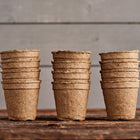
If starting indoors, use individual cells or pots and transplant carefully while plants are still young. Avoid letting seedlings become root-bound.

Choose a site with full sun and well-drained soil. Fennel grows best in moderately fertile ground with steady moisture, especially while young plants are establishing.

Water during dry periods and mulch lightly after the soil has warmed. Keep the bed weeded early, since young fennel can be crowded by faster-growing plants.

Fennel flowers are valuable for bees, hoverflies, parasitic wasps, lady beetles, and other beneficial insects. Because fennel can grow tall and cast shade, place it along bed edges, herb borders, pollinator strips, or the back of the garden rather than crowding smaller vegetables.

Choose a site with full sun and well-drained soil. Fennel grows best in moderately fertile ground with steady moisture, especially while young plants are establishing.

Water during dry periods and mulch lightly after the soil has warmed. Keep the bed weeded early, since young fennel can be crowded by faster-growing plants.

Fennel flowers are valuable for bees, hoverflies, parasitic wasps, lady beetles, and other beneficial insects. Because fennel can grow tall and cast shade, place it along bed edges, herb borders, pollinator strips, or the back of the garden rather than crowding smaller vegetables.

Fennel leaves, bulbs, and seeds are aromatic and contain naturally occurring essential oils, including anethole, which gives fennel its sweet licorice-like flavor. Bulb fennel provides fiber, vitamin C, potassium, and other nutrients, while the seeds are used mainly as a spice.

Use the leaves with fish, salads, sauces, soups, roasted vegetables, and herb mixtures. Use fennel seed in breads, sausages, teas, pickles, spice blends, and desserts. Florence fennel bulbs can be shaved raw, roasted, braised, grilled, or added to soups and gratins.

Fennel is generally resilient, though aphids, slugs, caterpillars, and leaf-feeding insects may appear. Black swallowtail caterpillars may feed on fennel foliage, and many gardeners choose to leave a few plants for them.

Good spacing, airflow, and soil-level watering help reduce leaf spots, mildew, and stem problems. Avoid wet, poorly drained soil and remove old plant debris after harvest.

Fennel is an insect-pollinated biennial or short-lived perennial often grown as an annual for seed. It can cross with other fennel varieties flowering nearby, so grow only one variety for seed or provide generous isolation if maintaining a variety true to type.

Select healthy, vigorous plants with strong fragrance, good seed set, and the leaf or bulb qualities you want to preserve. Allow flower umbels to mature until the seeds are dry and firm, but harvest before too many seeds drop.

Cut seed heads on a dry day and finish drying them under cover in a warm, airy place. Rub the umbels to release the seeds, remove chaff, and store fully dry seed in a labeled container in a cool, dark place.

  • Direct sow when possible to avoid disturbing the taproot.
  • Give fennel plenty of room and do not crowd smaller crops.
  • Grow herb fennel for leaves, flowers, pollen, and seed.
  • Time Florence fennel carefully for mild weather and steady growth.
  • Let some flowers bloom for beneficial insects and swallowtail caterpillars.