
How to Grow Lemon Balm

Lemon balm has been grown in European and Mediterranean herb gardens for centuries, treasured for its bright citrus fragrance, soft green leaves, and easy place near the kitchen door. Brush against the plant on a warm day and the leaves release a scent that feels fresh, clean, and unmistakably lemony.

A member of the mint family, lemon balm grows into a leafy perennial clump and produces small pale flowers that bees readily visit. Its leaves are useful in teas, cold drinks, fruit dishes, baked goods, herb blends, and fragrant household projects. Once established, the plant is generous and enduring, though it may spread by seed if flowers are left to mature.

Growing Guide

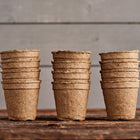
Start lemon balm indoors about 6–8 weeks before the expected last spring frost, or direct sow outdoors after the soil can be worked and temperatures have begun to settle.

Transplant well-rooted seedlings in spring after severe cold has passed. Established plants are perennial in many climates and return from the crown each year. Lemon balm may also be planted in early fall where there is enough time for roots to establish before winter.

Sow seeds shallowly on the surface of moist seed-starting mix and cover only lightly. Keep the surface evenly moist until germination, which may take one to three weeks.

Provide strong light once seedlings emerge. Harden plants gradually before moving them outdoors, spacing them about 18–24 inches apart. Lemon balm also grows well in containers, which can help limit self-sowing and keep the leaves close to the kitchen.

Choose a site with full sun to partial shade and well-drained soil. Lemon balm tolerates ordinary garden ground, though finished compost and steady moisture encourage lush, tender foliage.

Water regularly while plants establish. Mature plants tolerate short dry periods, but the leaves are best when growth remains steady. Cut plants back after flowering or whenever stems become coarse to encourage a fresh flush of leaves.

Lemon balm flowers attract bees, hoverflies, and other beneficial insects, making it useful near vegetable gardens, orchards, herb beds, and pollinator plantings. Deadhead before seed matures if you want to prevent volunteer seedlings from spreading through nearby beds.

Choose a site with full sun to partial shade and well-drained soil. Lemon balm tolerates ordinary garden ground, though finished compost and steady moisture encourage lush, tender foliage.

Water regularly while plants establish. Mature plants tolerate short dry periods, but the leaves are best when growth remains steady. Cut plants back after flowering or whenever stems become coarse to encourage a fresh flush of leaves.

Lemon balm flowers attract bees, hoverflies, and other beneficial insects, making it useful near vegetable gardens, orchards, herb beds, and pollinator plantings. Deadhead before seed matures if you want to prevent volunteer seedlings from spreading through nearby beds.

Lemon balm leaves contain fragrant essential oils and naturally occurring plant compounds that give the herb its bright citrus scent and long place in traditional herb gardens.

Use the leaves in hot or iced tea, lemonade, fruit salads, syrups, baked goods, vinegars, herb butters, and fresh garnishes. Lemon balm pairs especially well with mint, chamomile, lavender, berries, honey, and citrus.

Lemon balm is generally easy to grow. Aphids, spider mites, whiteflies, or small leaf-feeding insects may appear, especially on stressed or crowded plants.

Good spacing, airflow, soil-level watering, and occasional cutting back help reduce leaf spots and mildew. Avoid planting in wet ground or allowing thick growth to remain damp for long periods.

Lemon balm is an insect-pollinated perennial and may cross with other lemon balm plants flowering nearby. Grow one variety for seed or provide isolation if maintaining a particular type.

Select healthy, fragrant plants with vigorous growth and the leaf qualities you want to continue. Allow some flower stems to remain until the small seed heads turn brown and dry.

Cut mature stems before too much seed drops. Finish drying them under cover, then rub or thresh the heads to release the tiny seeds. Remove chaff and store fully dry seed in a labeled container in a cool, dark place.

  • Harvest before flowering for the strongest fragrance.
  • Cut plants back to encourage fresh leaves.
  • Grow in containers if you want to limit spreading.
  • Deadhead before seed matures to reduce volunteers.
  • Let a few flowers remain for bees and beneficial insects.